
Distributed Machine Consciousness and Collective Intelligence Networks
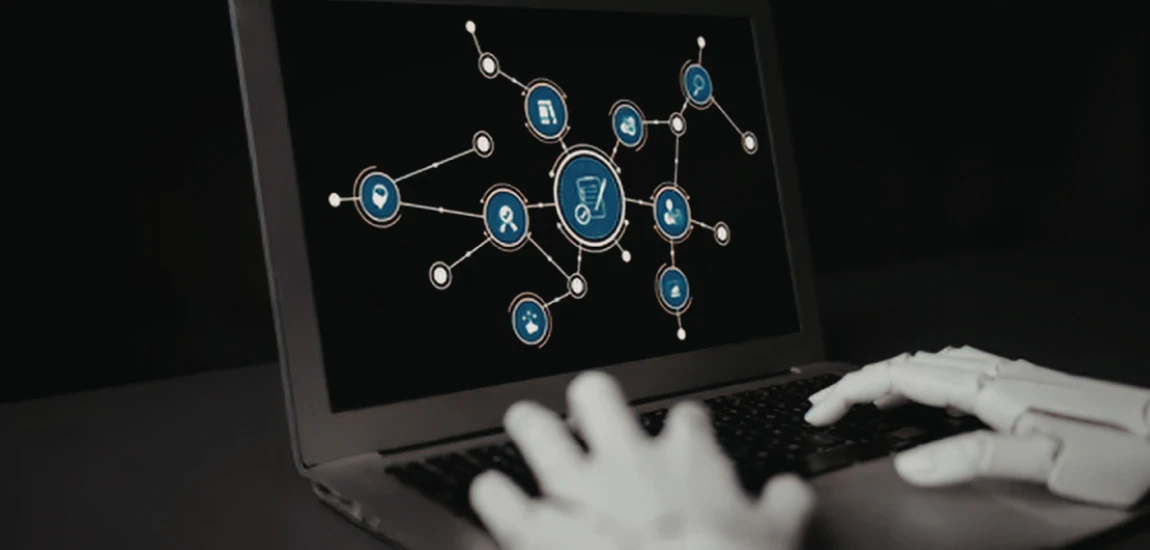
Distributed machine consciousness is an emerging concept in artificial intelligence that refers to the idea of multiple interconnected AI systems working together as a unified, intelligent network. Unlike traditional AI models that operate independently, distributed systems share information, learn collectively, and evolve as a group. This approach mimics aspects of human collective intelligence, where knowledge is distributed across individuals but combined to produce smarter outcomes. By integrating cloud computing, edge devices, and advanced communication protocols, distributed machine consciousness enables real-time collaboration between machines across different environments and locations. These systems continuously exchange data, update their knowledge bases, and refine their decision-making processes, creating a dynamic and adaptive intelligence network. As industries become more interconnected and data-driven, the need for collaborative AI systems is growing rapidly. Distributed machine consciousness offers a scalable and efficient solution for managing complex systems, enabling faster decision-making, improved accuracy, and enhanced resilience. This paradigm shift is paving the way for a future where machines not only think independently but also collaborate intelligently to solve global challenges.
Core Technologies Behind Collective Intelligence Networks

Distributed Computing and Cloud Infrastructure
Distributed computing forms the backbone of collective intelligence networks by enabling multiple systems to process data simultaneously across different locations. Cloud infrastructure provides the scalability and flexibility needed to support these networks, allowing organizations to store and analyze vast amounts of data efficiently. By leveraging distributed architectures, AI systems can share workloads, reduce latency, and improve overall performance.
Machine Learning and Knowledge Sharing
Machine learning algorithms play a crucial role in enabling systems to learn from data and share insights with other nodes in the network. These algorithms allow AI systems to continuously improve their performance by learning from both local and global data sources. Knowledge sharing mechanisms ensure that valuable insights are distributed across the network, enhancing collective intelligence.
Communication Protocols and Data Synchronization
Effective communication is essential for the success of distributed machine consciousness. Advanced communication protocols ensure seamless data exchange between systems, while data synchronization mechanisms maintain consistency across the network. This enables real-time collaboration and ensures that all systems have access to the latest information.
Benefits of Distributed Machine Consciousness

Enhanced Collaboration and Intelligence
One of the key advantages of distributed machine consciousness is the ability to combine the intelligence of multiple systems. By working together, these systems can solve complex problems more effectively than individual AI models. This collaborative approach leads to more accurate and reliable outcomes.
Scalability and Flexibility
Distributed systems are highly scalable, allowing organizations to expand their networks as needed. This flexibility makes it easier to handle increasing data volumes and adapt to changing requirements. As new nodes are added to the network, the overall intelligence and capabilities of the system continue to grow.
Improved Resilience and Fault Tolerance
Distributed machine consciousness enhances system resilience by reducing reliance on a single point of failure. If one node in the network fails, others can continue to operate, ensuring continuity and minimizing disruptions. This makes distributed systems more robust and reliable.
Real-World Applications Across Industries

Smart Cities and Urban Management
In smart cities, distributed machine consciousness is used to manage infrastructure, optimize traffic flow, and improve public services. By integrating data from various sources, these systems can make real-time decisions that enhance efficiency and sustainability.
Healthcare and Collaborative Diagnostics
In healthcare, collective intelligence networks enable collaboration between medical systems, allowing for more accurate diagnoses and treatment recommendations. By sharing data and insights, these systems can improve patient outcomes and reduce costs.
Industrial Automation and IoT Networks
Distributed machine consciousness is widely used in industrial automation, where interconnected devices work together to optimize production processes. IoT networks enable real-time monitoring and control, improving efficiency and reducing downtime.
Challenges and Ethical Considerations

Data Privacy and Security Risks
The interconnected nature of distributed systems raises concerns about data privacy and security. Ensuring that sensitive information is protected and that data is used responsibly is critical for maintaining trust.
Complexity of System Management
Managing distributed networks can be complex, requiring advanced tools and expertise. Ensuring seamless integration and coordination between systems is a significant challenge.
Ethical Implications of Machine Collaboration
The concept of machines collaborating and making decisions raises ethical questions about accountability, transparency, and control. Establishing clear guidelines and regulations is essential to ensure responsible use.


Anil Polat, behind the blog "FoxNomad," combines technology and travel. A computer security engineer by profession, he focuses on the tech aspects of travel.
Anil Polat

Prev Post

Next Post