
AI-Powered Space Exploration Systems: Advancing Autonomous Mission Control Frameworks
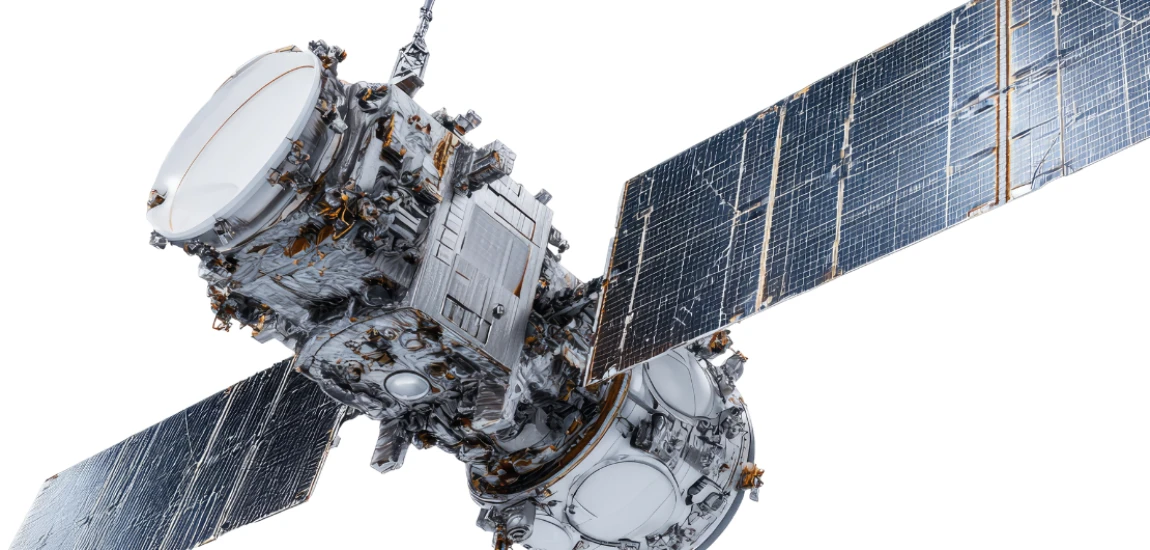
AI-powered space exploration systems are revolutionizing humanity’s ability to explore the universe by enabling intelligent, autonomous, and highly efficient mission control capabilities. Traditionally, space missions have relied heavily on ground-based control centers where human operators send commands to spacecraft with significant delays due to vast distances. However, with the integration of artificial intelligence, machine learning, and autonomous decision-making systems, spacecraft are now capable of operating independently, analyzing their environment, and making real-time decisions. Autonomous mission control frameworks further enhance this capability by enabling spacecraft to self-manage navigation, communication, and system diagnostics without constant human intervention. As space missions become more complex and extend deeper into the solar system and beyond, AI-powered systems are becoming essential for ensuring mission success, safety, and efficiency.
Understanding AI-Powered Space Exploration Systems
What Are AI-Based Space Systems?
AI-powered space exploration systems are advanced technological frameworks that use artificial intelligence to enhance the capabilities of spacecraft, satellites, and space probes. These systems enable autonomous navigation, data analysis, and decision-making in real time.
Unlike traditional space missions that rely on constant communication with Earth, AI-driven systems allow spacecraft to operate independently, reducing delays and improving efficiency.
These systems are designed to handle complex tasks such as trajectory correction, anomaly detection, and environmental analysis in deep space conditions.
Role of Artificial Intelligence in Space Missions
Artificial intelligence plays a critical role in modern space exploration by enabling machines to process vast amounts of data and make intelligent decisions.
Machine learning algorithms analyze sensor data from spacecraft to detect patterns, predict system failures, and optimize mission performance.
AI also enables autonomous navigation, allowing spacecraft to adjust their trajectory based on real-time environmental conditions such as gravitational forces, radiation, and space debris.
Importance of Autonomous Space Operations
Autonomous operations are essential for deep-space missions where communication delays can range from minutes to hours or even days.
AI systems ensure that spacecraft can respond instantly to unexpected events without waiting for instructions from Earth.
This capability is crucial for missions to Mars, outer planets, and interstellar space.
Core Technologies Behind Autonomous Mission Control Frameworks

Machine Learning and Predictive Analytics
Machine learning enables spacecraft to learn from historical mission data and improve decision-making over time.
Predictive analytics helps forecast potential system failures, fuel consumption, and environmental risks.
These technologies enhance mission reliability and efficiency.
Autonomous Navigation Systems
Autonomous navigation systems use AI to determine the optimal path for spacecraft.
They analyze gravitational fields, planetary movements, and obstacles to ensure safe and efficient travel.
These systems reduce the need for manual course corrections.
Real-Time Data Processing and Edge Computing
Spacecraft generate large volumes of data that must be processed in real time.
Edge computing allows data to be analyzed onboard the spacecraft rather than being sent back to Earth.
This reduces latency and enables faster decision-making.
Benefits of AI-Powered Space Exploration Systems

Enhanced Mission Efficiency and Accuracy
AI systems improve mission efficiency by automating complex tasks and reducing human error.
They ensure precise navigation and data collection, increasing mission success rates.
Reduced Dependency on Ground Control
Autonomous systems reduce the need for constant communication with Earth-based control centers.
This allows spacecraft to operate independently in remote regions of space.
Improved Risk Management and Safety
AI systems continuously monitor spacecraft health and detect anomalies early.
This helps prevent system failures and ensures mission safety.
Applications of Autonomous Space Mission Frameworks

Deep Space Exploration Missions
AI is used in missions exploring distant planets, asteroids, and deep space environments.
It enables spacecraft to adapt to unknown conditions autonomously.
Satellite Management and Earth Observation
Satellites use AI for Earth observation, weather forecasting, and environmental monitoring.
They can adjust their operations based on real-time data.
Space Robotics and Rover Missions
Rovers on Mars and other celestial bodies use AI for autonomous navigation and scientific exploration.
They analyze terrain and make independent decisions.


Known as "Nomadic Matt," Matthew Kepnes offers practical travel advice with a focus on budget backpacking. His blog aims to help people travel cheaper and longer.
Matthew Kepnes

Prev Post

Next Post