
Digital Twin Intelligence Systems and Real-Time Industrial Simulation Architectures
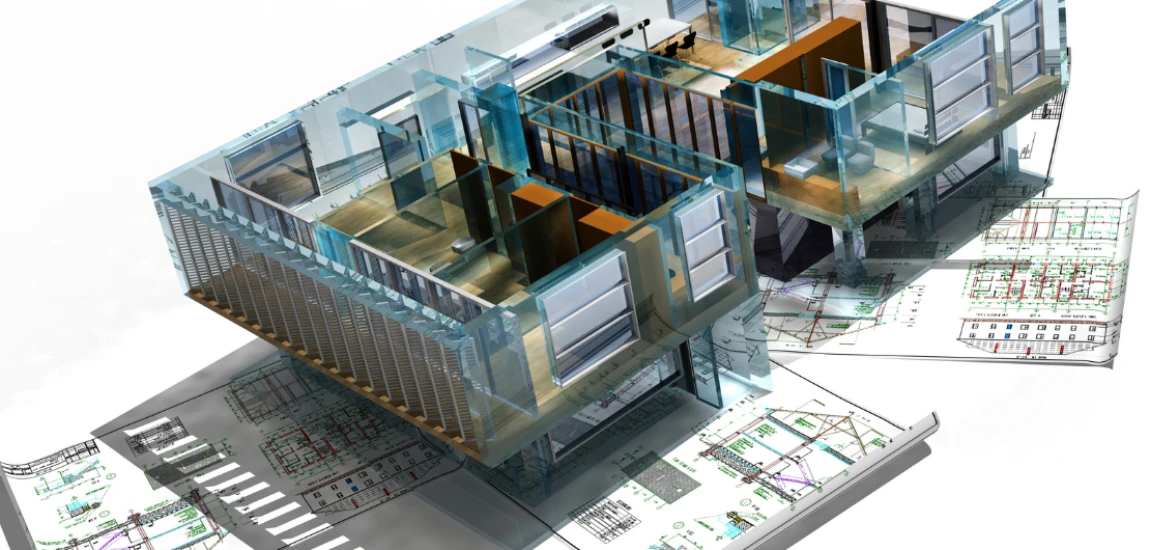
Digital twin intelligence systems are revolutionizing how industries design, monitor, and optimize their operations. By creating virtual replicas of physical assets, processes, or entire systems, organizations can simulate real-world conditions in a digital environment. When combined with real-time industrial simulation architectures, these systems enable businesses to predict outcomes, improve efficiency, and reduce operational risks. As industries move toward automation and smart manufacturing, digital twin technology is becoming a cornerstone of innovation, offering unprecedented insights into performance and decision-making.
Understanding Digital Twin Intelligence Systems

What Is a Digital Twin
A digital twin is a virtual representation of a physical object, system, or process that mirrors its real-world counterpart in real time. Digital twin intelligence systems go a step further by integrating artificial intelligence, data analytics, and machine learning to enhance the capabilities of these virtual models. They continuously collect data from sensors and IoT devices, ensuring that the digital replica remains accurate and up to date.
This technology allows organizations to visualize operations, monitor performance, and identify potential issues before they occur. By simulating different scenarios, businesses can test strategies without affecting real-world systems, reducing risks and costs.
Evolution of Digital Twin Technology
Digital twin technology has evolved from simple simulation models to complex, AI-driven systems. Initially used in aerospace and manufacturing, it is now being adopted across various industries, including healthcare, energy, and logistics. Advances in cloud computing, IoT, and big data analytics have played a significant role in this evolution.
Modern digital twin systems are capable of handling massive amounts of data and performing complex simulations in real time. This has made them an essential tool for organizations looking to stay competitive in a rapidly changing environment.
Importance in Smart Industries
In the era of Industry 4.0, digital twin intelligence systems are critical for achieving operational excellence. They enable real-time monitoring, predictive maintenance, and process optimization. By providing a comprehensive view of operations, these systems help organizations make informed decisions and improve overall efficiency.
Real-Time Industrial Simulation Architectures

What Are Simulation Architectures
Real-time industrial simulation architectures are frameworks that enable continuous simulation of industrial processes. These architectures integrate data from multiple sources, including sensors, machines, and software systems, to create a dynamic simulation environment. This allows organizations to analyze performance and predict outcomes in real time.
Simulation architectures are designed to handle complex systems and large datasets. They use advanced algorithms to process data quickly and accurately, ensuring that simulations remain reliable and relevant.
Integration with Digital Twins
Digital twin intelligence systems rely on simulation architectures to function effectively. The simulation layer processes real-time data and updates the digital twin accordingly. This integration enables organizations to perform what-if analyses, test different scenarios, and optimize processes.
By combining digital twins with real-time simulation, businesses can gain deeper insights into their operations and make data-driven decisions. This integration also enhances the accuracy and reliability of predictions.
Benefits of Real-Time Simulation
Real-time simulation offers several advantages, including improved efficiency, reduced downtime, and better decision-making. It allows organizations to identify issues early and take corrective actions before they escalate. Additionally, it enables continuous optimization, ensuring that systems operate at peak performance.
Key Components of Digital Twin Systems

Data Acquisition and IoT Integration
Data acquisition is a critical component of digital twin systems. Sensors and IoT devices collect real-time data from physical assets, providing the information needed to update the digital twin. This data includes parameters such as temperature, pressure, and performance metrics.
IoT integration ensures seamless communication between physical and digital systems. It enables continuous data flow, allowing the digital twin to accurately reflect real-world conditions.
AI and Analytics Layer
The AI and analytics layer processes data and generates insights. Machine learning algorithms analyze patterns, identify anomalies, and predict future outcomes. This layer is responsible for transforming raw data into actionable information.
By leveraging AI, digital twin systems can improve their accuracy and adaptability. They can learn from past data and continuously refine their models.
Visualization and User Interface
Visualization tools provide a graphical representation of the digital twin, making it easier for users to understand and interact with the system. Dashboards and interfaces display key metrics, alerts, and insights, enabling users to monitor performance and make informed decisions.
Applications Across Industries

Manufacturing and Smart Factories
Digital twin intelligence systems are widely used in manufacturing to optimize production processes. They enable real-time monitoring of equipment, predictive maintenance, and quality control. This leads to increased efficiency and reduced costs.
Smart factories leverage digital twins to automate processes and improve productivity. By simulating different scenarios, manufacturers can identify the most efficient production strategies.
Energy and Utilities
In the energy sector, digital twins are used to monitor and optimize power generation and distribution. They help organizations predict demand, manage resources, and reduce energy consumption.
These systems also play a crucial role in renewable energy, enabling better management of resources such as wind and solar power.
Healthcare and Infrastructure
Digital twin technology is also being used in healthcare to simulate patient conditions and improve treatment outcomes. In infrastructure, it is used to monitor buildings, bridges, and transportation systems, ensuring safety and efficiency.


Gary Arndt operates "Everything Everywhere," a blog focusing on worldwide travel. An award-winning photographer, Gary shares stunning visuals alongside his travel tales.
Gary Arndt
Prev Post
Next Post