
Decentralized AI Intelligence Systems and Blockchain-Integrated Learning Frameworks
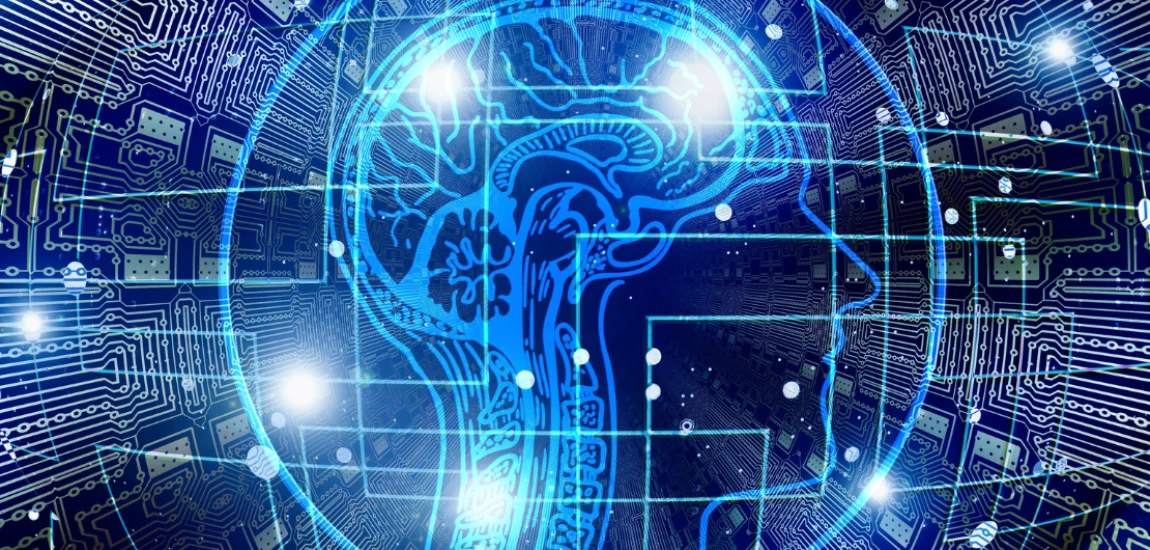
Artificial intelligence is rapidly evolving beyond centralized cloud systems into more distributed, secure, and transparent architectures. One of the most promising advancements in this space is the combination of decentralized intelligence systems with blockchain-integrated learning frameworks. These technologies are reshaping how data is processed, shared, and used for machine learning. Instead of relying on a single centralized authority, decentralized AI systems distribute intelligence across multiple nodes, ensuring greater resilience, privacy, and scalability. When combined with blockchain technology, these systems gain enhanced transparency, immutability, and trust. Together, they form a powerful ecosystem that supports secure, collaborative, and efficient AI learning across industries such as finance, healthcare, supply chain, and cybersecurity.
Understanding Decentralized AI Intelligence Systems

What Is Decentralized AI?
Decentralized AI intelligence systems refer to machine learning and artificial intelligence models that operate across distributed networks rather than centralized servers. Instead of relying on a single data center, these systems distribute computation and data processing across multiple nodes.
This architecture improves fault tolerance and reduces dependency on central authorities. It also enhances privacy, as sensitive data can remain localized rather than being transferred to a central server.
Decentralized AI is particularly useful in environments where data security and scalability are critical.
How Decentralization Transforms AI Processing
In traditional AI systems, data is collected and processed in centralized cloud environments. However, this approach can lead to bottlenecks, latency issues, and privacy concerns.
Decentralized AI solves these problems by distributing workloads across edge devices, peer-to-peer networks, and distributed servers. Each node contributes to the learning process, making the system more efficient and resilient.
This distributed approach also enables real-time processing and reduces the risk of single points of failure.
Key Characteristics of Decentralized AI Systems
Decentralized AI systems are defined by scalability, resilience, and autonomy. They can scale easily by adding more nodes to the network.
They are also resilient because the failure of one node does not affect the entire system. Additionally, these systems operate autonomously, with nodes collaborating without centralized control.
These characteristics make decentralized AI ideal for modern data-driven applications.
Blockchain-Integrated Learning Frameworks Explained

Role of Blockchain in AI Systems
Blockchain technology provides a secure and transparent foundation for decentralized AI systems. It ensures that data transactions are immutable and verifiable.
In AI learning frameworks, blockchain records all data exchanges, model updates, and training activities. This creates a transparent audit trail that enhances trust and accountability.
Blockchain also eliminates the need for intermediaries, reducing inefficiencies and enhancing system integrity.
Distributed Machine Learning on Blockchain
Blockchain-integrated learning frameworks enable distributed machine learning, where multiple participants contribute to model training.
Each participant trains the model on local data and shares updates with the network. These updates are recorded on the blockchain, ensuring transparency and consistency.
This approach is often referred to as federated learning, enhanced by blockchain for security and traceability.
Smart Contracts in AI Learning
Smart contracts play a crucial role in automating processes within blockchain-based AI systems. These self-executing contracts define rules for data sharing, model updates, and reward distribution.
They ensure that participants are incentivized fairly and that all transactions follow predefined rules.
Smart contracts also reduce the need for manual oversight, improving efficiency and trust.
Core Technologies Behind Decentralized AI Systems

Federated Learning and Distributed Models
Federated learning is a key technology in decentralized AI systems. It allows models to be trained across multiple devices without sharing raw data.
Instead, only model updates are shared, preserving data privacy while enabling collaborative learning.
This approach is widely used in industries where data sensitivity is high, such as healthcare and finance.
Blockchain Infrastructure and Consensus Mechanisms
Blockchain infrastructure ensures secure and transparent data management. Consensus mechanisms, such as Proof of Work or Proof of Stake, validate transactions across the network.
These mechanisms ensure that all participants agree on the state of the system, preventing fraud and inconsistencies.
This decentralized validation process enhances system reliability.
Edge Computing and IoT Integration
Edge computing plays a vital role in decentralized AI systems by enabling local data processing. IoT devices collect and process data at the edge, reducing latency and bandwidth usage.
This integration allows real-time decision-making and improves system responsiveness.
It is particularly useful in applications such as smart cities and autonomous systems.
Applications Across Industries

Healthcare and Medical Data Sharing
In healthcare, decentralized AI systems enable secure sharing of medical data for research and diagnosis. Blockchain ensures patient data privacy while allowing collaborative analysis.
AI models can be trained on distributed datasets without exposing sensitive information.
This improves diagnostic accuracy and accelerates medical research.
Financial Services and Fraud Detection
In finance, decentralized AI is used for fraud detection, risk assessment, and transaction monitoring. Blockchain ensures transparency in financial transactions.
AI models analyze distributed financial data to identify anomalies and suspicious activities.
This enhances security and reduces financial fraud.
Supply Chain and Logistics Optimization
Supply chains benefit from decentralized AI by improving transparency and traceability. Blockchain records every transaction in the supply chain, ensuring accountability.
AI systems analyze this data to optimize logistics, reduce costs, and improve efficiency.
This leads to more reliable and efficient supply chain operations.


Gary Arndt operates "Everything Everywhere," a blog focusing on worldwide travel. An award-winning photographer, Gary shares stunning visuals alongside his travel tales.
Gary Arndt
Prev Post
Next Post