
Neuromorphic Vision Intelligence Systems and Bio-Inspired Image Processing Architectures
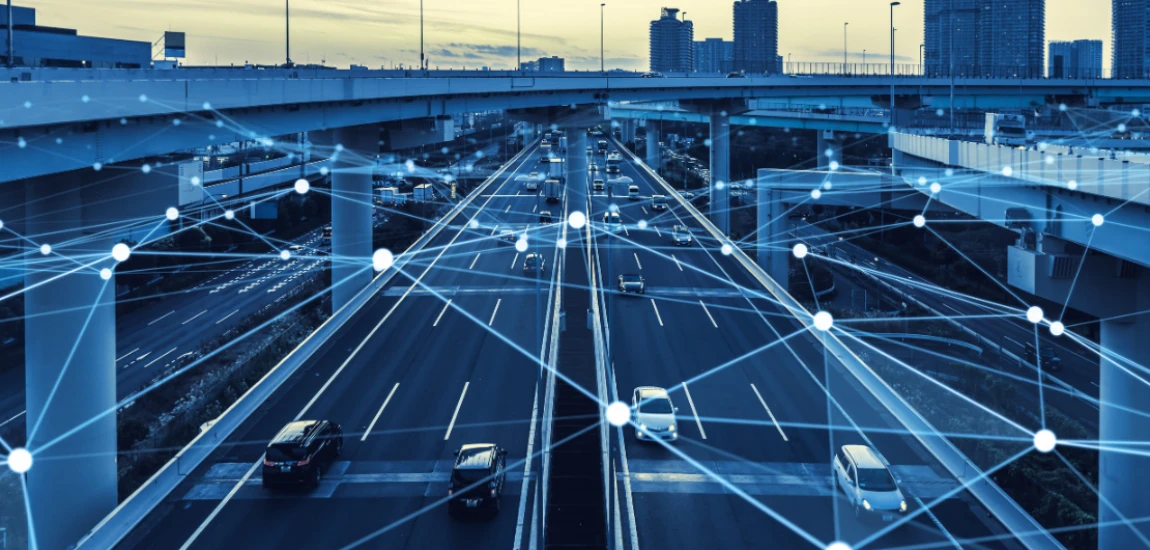
As artificial intelligence continues to evolve, traditional computing architectures are reaching their limits in handling complex visual data efficiently. Inspired by the human brain, neuromorphic vision intelligence systems and bio-inspired image processing architectures are emerging as revolutionary approaches to visual computing. These systems mimic the structure and function of biological neural networks, enabling faster, more efficient, and adaptive image processing. Unlike conventional AI models that rely on massive computational resources, neuromorphic systems operate with lower power consumption while delivering real-time performance. From autonomous vehicles to robotics and surveillance systems, these technologies are transforming how machines perceive and interact with the world. This blog explores their foundations, technologies, applications, benefits, challenges, and future potential.
Understanding Neuromorphic Vision Intelligence Systems

What Are Neuromorphic Systems?
Neuromorphic vision intelligence systems are computing frameworks inspired by the structure and functioning of the human brain. These systems use spiking neural networks (SNNs) to process information in a way that mimics biological neurons.
Unlike traditional neural networks, which process data in batches, neuromorphic systems process information asynchronously. This means they only respond to changes in input, making them highly efficient for real-time applications.
This brain-inspired approach allows for faster processing and reduced energy consumption, making it ideal for edge computing environments.
Biological Inspiration Behind Vision Systems
The human visual system is highly efficient, capable of processing vast amounts of visual information in real time. Neuromorphic systems replicate this capability by mimicking how neurons communicate through electrical spikes.
This approach enables systems to focus on relevant changes in the environment rather than processing every pixel continuously. As a result, they can operate more efficiently and respond quickly to dynamic conditions.
This biological inspiration is a key factor in the development of advanced vision intelligence systems.
Key Features of Neuromorphic Vision Systems
Neuromorphic vision systems are characterized by features such as event-driven processing, low power consumption, and high-speed performance.
They also offer adaptability, allowing systems to learn and adjust to new environments. This makes them suitable for applications that require real-time decision-making and continuous learning.
These features set neuromorphic systems apart from traditional image processing methods.
Bio-Inspired Image Processing Architectures

Principles of Bio-Inspired Computing
Bio-inspired image processing architectures are based on principles derived from biological systems. These architectures aim to replicate the efficiency and adaptability of natural processes.
They use techniques such as parallel processing and hierarchical structures to handle complex tasks. This approach enables more efficient and scalable image processing.
Event-Driven Vision Sensors
Event-driven vision sensors, also known as dynamic vision sensors (DVS), are a key component of bio-inspired architectures. These sensors capture changes in light intensity rather than recording full frames.
This reduces data redundancy and enables faster processing. It also allows systems to operate in real time with lower power consumption.
Event-driven sensors are particularly useful in applications such as robotics and autonomous vehicles.
Hierarchical Processing Models
Hierarchical processing models mimic the layered structure of the human visual system. These models process information in stages, from basic feature detection to complex pattern recognition.
This approach improves accuracy and efficiency by breaking down complex tasks into manageable steps.
Hierarchical models are widely used in advanced image processing systems.
Core Technologies Behind Neuromorphic Vision

Spiking Neural Networks (SNNs)
Spiking neural networks are the foundation of neuromorphic systems. These networks process information using discrete spikes, similar to biological neurons.
SNNs are highly efficient because they only process data when there is a change in input. This reduces computational load and energy consumption.
They are particularly effective for real-time applications that require rapid response.
Neuromorphic Hardware and Chips
Neuromorphic hardware is designed to support brain-inspired computing. These chips are optimized for parallel processing and low power consumption.
Examples include specialized processors that mimic neural structures, enabling efficient execution of spiking neural networks.
These hardware advancements are critical for the practical implementation of neuromorphic systems.
Edge Computing Integration
Neuromorphic vision systems are often integrated with edge computing platforms. This allows data to be processed locally, reducing latency and improving performance.
Edge integration is particularly important for applications that require real-time processing, such as autonomous vehicles and surveillance systems.
This combination enhances the efficiency and scalability of neuromorphic systems.
Applications Across Industries

Autonomous Vehicles and Robotics
Neuromorphic vision systems are widely used in autonomous vehicles and robotics. These systems enable machines to perceive their environment and make decisions in real time.
They can detect obstacles, recognize objects, and navigate complex environments with high accuracy.
Healthcare and Medical Imaging
In healthcare, neuromorphic systems are used for medical imaging and diagnostics. They can analyze images بسرعة and accurately, assisting doctors in diagnosing diseases.
These systems also enable real-time monitoring and analysis, improving patient outcomes.
Surveillance and Security Systems
Neuromorphic vision systems are used in surveillance and security applications to detect unusual activities and threats.
Their ability to process data in real time makes them ideal for monitoring large areas and responding quickly to incidents.


Gilbert Ott, the man behind "God Save the Points," specializes in travel deals and luxury travel. He provides expert advice on utilizing rewards and finding travel discounts.
Gilbert Ott
Prev Post

Next Post