
Cognitive Transportation Intelligence Systems and Autonomous Mobility Coordination Frameworks
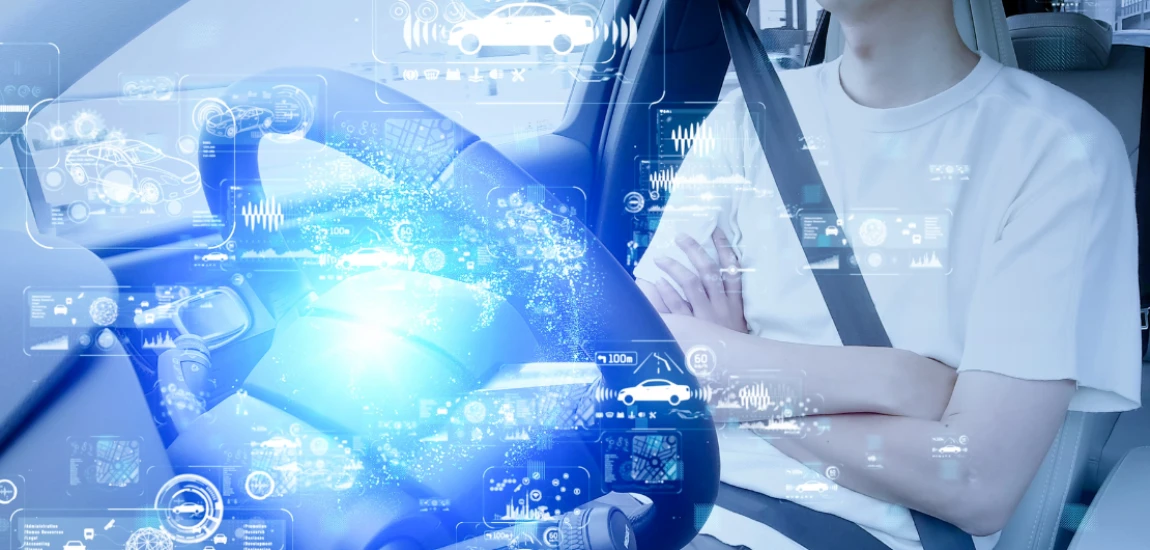
Modern transportation systems are under immense pressure due to rapid urbanization, population growth, increased vehicle density, and rising demand for efficient mobility solutions. Traditional traffic management and transportation infrastructure are struggling to keep up with these challenges, resulting in congestion, pollution, accidents, and inefficiencies in urban mobility networks.
To address these issues, cities and transportation authorities are increasingly adopting cognitive transportation intelligence systems and autonomous mobility coordination frameworks. These advanced systems leverage artificial intelligence, machine learning, IoT sensors, real-time data analytics, edge computing, and autonomous vehicle technologies to create smarter, safer, and more efficient transportation ecosystems.
Cognitive transportation systems go beyond traditional traffic management by enabling real-time decision-making, predictive traffic analysis, and adaptive mobility optimization. Autonomous mobility coordination frameworks further enhance these capabilities by enabling seamless communication and coordination between self-driving vehicles, smart infrastructure, public transport systems, and mobility service providers.
These technologies are transforming how people move within cities, how goods are transported, and how transportation networks are managed. From reducing traffic congestion and minimizing travel time to improving road safety and lowering carbon emissions, intelligent mobility systems are reshaping the future of urban transportation.
In this blog, we will explore the technologies, benefits, applications, challenges, and future developments of cognitive transportation intelligence systems while understanding how autonomous mobility coordination frameworks are revolutionizing global transportation infrastructure.
Understanding Cognitive Transportation Intelligence Systems

Evolution of Smart Transportation Systems
Transportation systems have evolved significantly over time, from manual traffic control and fixed signal systems to advanced digital traffic management platforms. Early transportation systems relied heavily on static infrastructure, including traffic lights, road signs, and manual traffic enforcement.
With the introduction of digital technology, cities began implementing intelligent transportation systems (ITS) that used sensors, cameras, and basic automation to improve traffic flow and reduce congestion.
Cognitive transportation intelligence systems represent the next stage of evolution. These systems use artificial intelligence, machine learning, and real-time data analytics to create self-learning transportation networks capable of adapting dynamically to changing traffic conditions.
Unlike traditional systems, cognitive transportation platforms continuously analyze traffic patterns, predict congestion, and optimize mobility in real time.
Artificial Intelligence in Transportation Networks
Artificial intelligence is the foundation of cognitive transportation intelligence systems. AI algorithms process large volumes of transportation data collected from road sensors, GPS devices, traffic cameras, autonomous vehicles, and mobile applications.
Machine learning models identify traffic patterns, detect anomalies, and predict congestion before it occurs. AI systems can also optimize traffic signal timing, reroute vehicles, and improve emergency response coordination.
Computer vision technologies analyze video feeds from road networks to detect accidents, monitor vehicle flow, and identify traffic violations automatically.
AI-driven transportation systems significantly improve efficiency, safety, and responsiveness in modern mobility networks.
Real-Time Traffic Data Processing
Real-time data processing is a critical component of cognitive transportation systems. Modern cities generate massive amounts of transportation data every second from multiple sources, including connected vehicles, smart infrastructure, and public transport systems.
Cognitive systems analyze this data instantly to provide real-time traffic updates, optimize routing decisions, and manage congestion dynamically.
Edge computing devices installed at intersections and transportation hubs help process data locally, reducing latency and improving system responsiveness.
Real-time intelligence enables transportation networks to operate more efficiently and adapt to changing conditions instantly.
Autonomous Mobility Coordination Frameworks

Connected and Autonomous Vehicle Ecosystems
Autonomous mobility coordination frameworks are designed to manage and coordinate fleets of self-driving vehicles within intelligent transportation networks.
These frameworks enable communication between autonomous vehicles, allowing them to share data related to speed, location, road conditions, and traffic hazards.
Connected vehicle ecosystems reduce traffic congestion, improve road safety, and enhance transportation efficiency by enabling coordinated movement across multiple vehicles.
Autonomous vehicles rely on AI, sensors, radar systems, and GPS technology to navigate complex urban environments safely.
Vehicle-to-Everything (V2X) Communication Systems
Vehicle-to-everything (V2X) communication is a key component of autonomous mobility frameworks. It enables vehicles to communicate with other vehicles (V2V), infrastructure (V2I), pedestrians (V2P), and networks (V2N).
V2X systems improve situational awareness by providing real-time information about road conditions, traffic signals, accidents, and obstacles.
This communication network allows autonomous vehicles to make faster and safer driving decisions.
V2X technology is essential for building fully connected and intelligent transportation ecosystems.
Mobility-as-a-Service (MaaS) Integration
Mobility-as-a-Service (MaaS) platforms integrate multiple transportation services into a unified digital ecosystem. These services include ride-sharing, public transport, bike-sharing, and autonomous vehicle fleets.
AI-driven MaaS platforms analyze user preferences, traffic conditions, and route availability to provide optimized travel solutions.
Users can plan, book, and pay for transportation services through a single application.
MaaS integration improves convenience, reduces traffic congestion, and promotes sustainable urban mobility.
Benefits of Cognitive Transportation Systems

Reduced Traffic Congestion and Travel Time
One of the most significant benefits of cognitive transportation intelligence systems is the reduction of traffic congestion in urban areas.
AI-powered traffic management systems analyze real-time traffic data and adjust signal timings to optimize vehicle flow.
Predictive analytics help identify congestion hotspots and suggest alternative routes to drivers.
These improvements significantly reduce travel time and enhance urban mobility efficiency.
Enhanced Road Safety and Accident Prevention
Cognitive transportation systems improve road safety by detecting potential hazards and preventing accidents in real time.
AI-powered surveillance systems monitor traffic conditions and identify risky driving behavior.
Autonomous vehicles use sensor data and predictive models to avoid collisions and ensure safe navigation.
Improved safety measures reduce accident rates and save lives in urban transportation networks.
Environmental Sustainability and Emission Reduction
Intelligent transportation systems contribute to environmental sustainability by reducing fuel consumption and vehicle emissions.
Optimized traffic flow minimizes idle time and reduces unnecessary vehicle movement.
AI-driven route planning helps reduce travel distances and improve fuel efficiency.
Sustainable mobility systems play a key role in reducing the environmental impact of urban transportation.
Applications of Intelligent Transportation Systems

Smart City Traffic Management
Cognitive transportation systems are widely used in smart cities to manage urban traffic efficiently.
AI-powered traffic control centers monitor road networks in real time and adjust traffic signals dynamically.
Smart sensors and cameras provide continuous updates on traffic conditions and congestion levels.
These systems improve urban mobility and reduce traffic-related inefficiencies.
Autonomous Public Transportation Systems
Autonomous buses, shuttles, and trains are becoming an important part of modern transportation networks.
AI-driven systems coordinate public transport schedules, optimize routes, and improve passenger experience.
Autonomous public transportation reduces operational costs and enhances service efficiency.
These systems support sustainable urban mobility development.
Logistics and Smart Freight Management
Cognitive transportation intelligence systems are also used in logistics and freight management.
AI-powered platforms optimize delivery routes, manage fleet operations, and reduce transportation costs.
Real-time tracking systems improve supply chain visibility and efficiency.
Smart logistics systems enhance global trade and transportation efficiency.


Anil Polat, behind the blog "FoxNomad," combines technology and travel. A computer security engineer by profession, he focuses on the tech aspects of travel.
Anil Polat

Prev Post

Next Post