
Cognitive Load Tech – Why the Next Generation of Apps Will Do Less, Not More
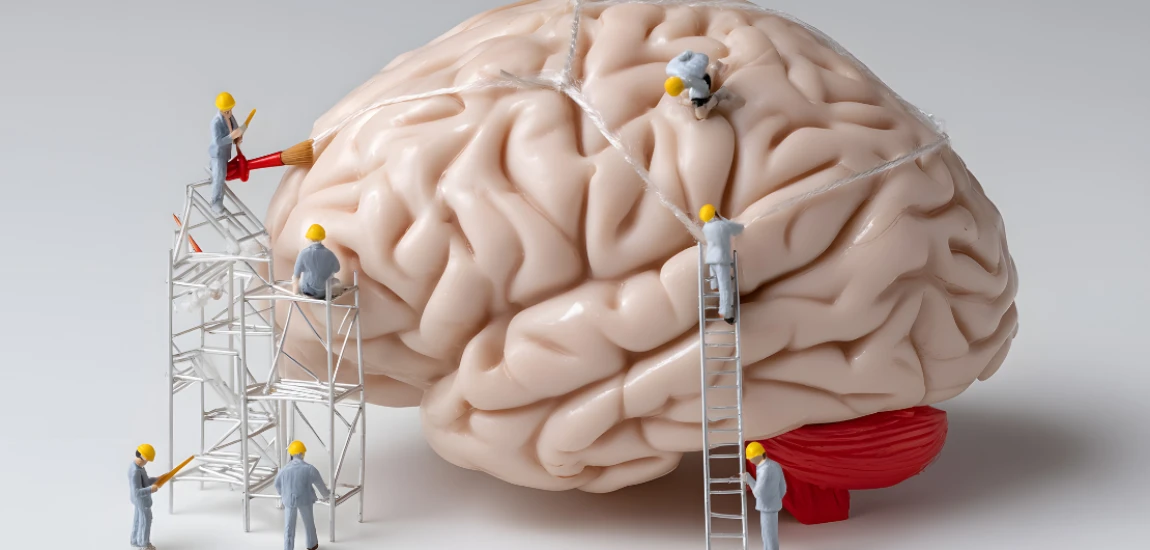
For years, the technology industry has operated under a simple assumption: more features equal more value. Apps competed by adding dashboards, settings, integrations, notifications, and customization layers—often faster than users could understand them. But something unexpected happened along the way. As digital tools became more powerful, they also became more mentally exhausting. Users weren’t just learning how to use apps; they were managing them.
This is where cognitive load tech enters the conversation. Cognitive load refers to the amount of mental effort required to process information, make decisions, and complete tasks. When apps demand too much attention, memory, or decision-making, they drain users instead of helping them. Increasingly, users are rejecting feature-heavy products in favor of tools that feel calm, intuitive, and unobtrusive.
The next generation of apps isn’t about doing everything—it’s about doing the right things quietly and well. Cognitive load tech prioritizes mental clarity over capability, recognizing that attention is a finite resource. This shift represents not just a design trend, but a philosophical rethinking of what “good technology” actually means.
In this article, we’ll explore why reducing cognitive load is becoming a competitive advantage, how minimalist design improves usability, and what the future of “less but better” technology looks like.
What Is Cognitive Load Tech? Understanding the Core Idea

Cognitive Load Explained Simply
Cognitive load describes how much mental processing a task requires. In technology, this includes remembering steps, interpreting interfaces, switching contexts, and making repeated decisions. When load is too high, users feel confused, fatigued, or overwhelmed—even if the app is technically impressive.
Cognitive load tech aims to reduce this burden by simplifying interactions and eliminating unnecessary complexity. The goal isn’t to make users smarter—it’s to make the system easier.
From Power Users to Human Users
Traditional software often caters to “power users” willing to invest time learning complex systems. Cognitive load tech flips this assumption. It designs for humans as they are—busy, distracted, emotionally taxed, and often multitasking.
This approach values immediacy and clarity over configurability. Instead of asking users to adapt to software, the software adapts to users.
Doing Less as a Design Philosophy
Cognitive load tech embraces intentional subtraction. Features are added only if they meaningfully reduce effort or improve outcomes. Everything else is considered noise.
This philosophy recognizes that every button, option, and alert carries a mental cost.
Why High Cognitive Load Is Breaking Modern Apps

Decision Fatigue in Digital Products
Every choice an app presents—settings, filters, modes—requires mental energy. Over time, this leads to decision fatigue, where users feel drained and disengaged.
High cognitive load apps don’t just slow users down; they push them away. Many abandoned apps aren’t “bad”—they’re just too demanding.
Notification Overload
Constant alerts fragment attention and increase stress. While notifications are meant to increase engagement, excessive or poorly timed alerts raise cognitive load and reduce satisfaction.
Cognitive load tech treats attention as sacred, not exploitable.
The Illusion of Control
Giving users endless customization options can feel empowering—but often creates anxiety. Too much control forces users to constantly evaluate whether they’re using the app “correctly.”
Simplicity creates confidence. Complexity creates doubt.
Principles That Define Low Cognitive Load Apps

Clear Visual Hierarchy
Low cognitive load apps guide attention naturally. Important actions are obvious. Secondary information stays secondary. Visual clutter is minimized.
When users don’t have to search for meaning, they feel calmer and more capable.
Opinionated Defaults
Instead of asking users to decide everything, cognitive load tech provides sensible defaults. These defaults reflect best practices and common use cases.
Users can still customize—but they don’t have to.
Progressive Disclosure
Advanced features are hidden until needed. This prevents overwhelming new users while still supporting depth for experienced ones.
The interface grows with the user, not against them.
Why Doing Less Improves User Experience and Trust

Mental Ease Builds Loyalty
Apps that feel easy to use create emotional relief. Users return not because the app does more, but because it demands less.
This ease builds trust and long-term loyalty.
Fewer Errors, Better Outcomes
When interfaces are simple, users make fewer mistakes. Reduced cognitive load improves accuracy, speed, and satisfaction simultaneously.
Efficiency improves as a byproduct of clarity.
Calm as a Competitive Advantage
In a noisy digital environment, calm stands out. Cognitive load tech differentiates products by how they make users feel, not how much they offer.
Calm becomes a feature.
Real-World Examples of Cognitive Load Tech in Action

Productivity Tools That Reduce Friction
Modern productivity apps increasingly focus on single core actions rather than endless features. They remove dashboards, limit options, and automate routine decisions.
The result is less planning and more doing.
Wellness and Mental Health Apps
In wellness tech, cognitive overload can be harmful. Leading apps now prioritize gentle interfaces, minimal prompts, and slow pacing.
The design itself supports regulation.
Consumer Apps Moving Toward Minimalism
From finance to communication, apps are simplifying flows, reducing menus, and cutting features that add friction.
Users reward clarity with continued use.


Gary Arndt operates "Everything Everywhere," a blog focusing on worldwide travel. An award-winning photographer, Gary shares stunning visuals alongside his travel tales.
Gary Arndt

Prev Post

Next Post