
Cognitive Earthquake Prediction Systems and Real-Time Seismic Disaster Prevention Networks
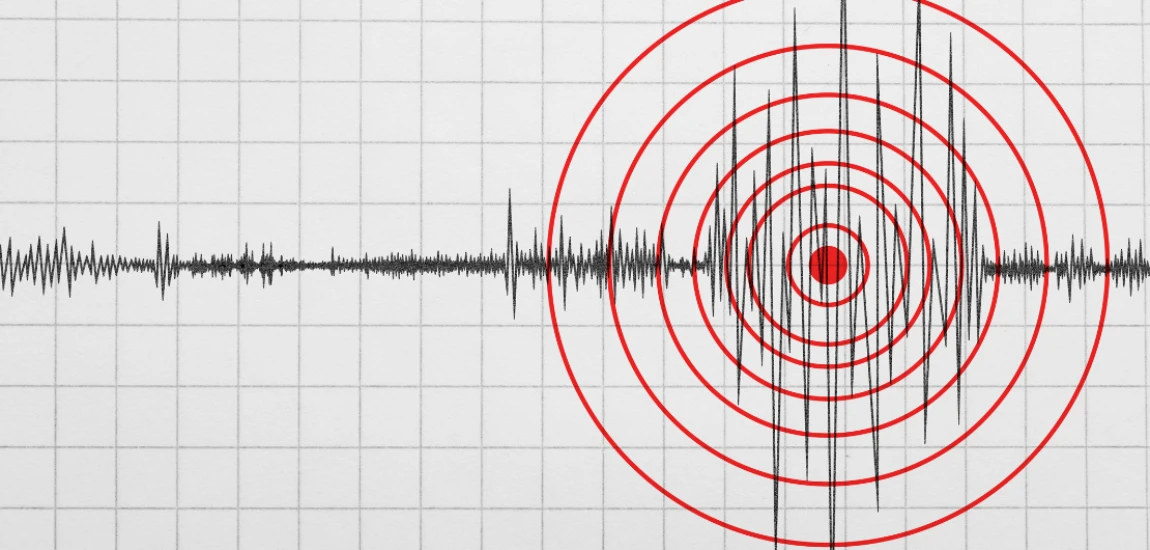
Earthquakes remain one of the most destructive natural disasters in the world, causing massive infrastructure damage, economic disruption, and loss of human life every year. Traditional seismic monitoring systems have improved over the decades, but accurately predicting earthquakes before they occur remains one of the greatest scientific challenges. As urban populations continue growing and smart cities become more interconnected, the demand for intelligent seismic monitoring and disaster prevention systems is increasing rapidly.
Cognitive earthquake prediction systems represent a new generation of disaster management technology powered by artificial intelligence, machine learning, big data analytics, and real-time sensor networks. These advanced systems are designed to analyze enormous amounts of geological and environmental data to identify patterns that may indicate future seismic activity.
Real-time seismic disaster prevention networks go beyond simple earthquake detection. They create interconnected emergency response ecosystems capable of automatically issuing warnings, shutting down critical infrastructure, coordinating rescue operations, and minimizing damage within seconds of seismic detection.
By integrating AI-driven analytics with autonomous communication systems, smart infrastructure, and predictive modeling, these technologies could dramatically improve global disaster preparedness and resilience. The future of seismic safety may depend on intelligent systems capable of making rapid, data-driven decisions faster than human operators alone.
Understanding Cognitive Earthquake Prediction Systems

The Core Technology Behind Cognitive Seismic Analysis
Cognitive earthquake prediction systems rely on artificial intelligence models trained using decades of geological data, seismic wave records, tectonic activity reports, and environmental monitoring information. Unlike conventional systems that mainly detect earthquakes after seismic waves begin, cognitive systems aim to identify early indicators before a major seismic event occurs.
Machine learning algorithms continuously analyze underground pressure changes, fault movement, electromagnetic anomalies, groundwater variations, and microseismic patterns. These systems can process enormous datasets simultaneously and identify subtle correlations that human researchers might overlook.
Advanced AI models become more accurate over time as they receive additional data from global sensor networks. This allows prediction systems to adapt dynamically to changing geological conditions and regional seismic behaviors.
Real-Time Data Processing and Pattern Recognition
One of the most important features of cognitive earthquake systems is their ability to process data in real time. Thousands of interconnected seismic sensors, satellites, drones, and underground monitoring devices can feed continuous information into centralized AI platforms.
The system rapidly analyzes incoming data streams to identify abnormal activity patterns associated with earthquake formation. AI-powered pattern recognition engines may detect warning signals hours, days, or even weeks before a major event occurs.
Real-time processing also enables faster emergency responses. Instead of waiting for manual verification, automated systems can immediately trigger warnings and protective measures when dangerous seismic patterns are detected.
The Evolution Beyond Traditional Earthquake Monitoring
Traditional seismic monitoring systems primarily focus on detecting ground movement after an earthquake begins. While these systems provide valuable warnings, they often offer only seconds or minutes of preparation time.
Cognitive earthquake prediction technologies aim to shift disaster management from reactive response to proactive prevention. Predictive analytics, autonomous risk assessment, and intelligent infrastructure monitoring create a more advanced framework for seismic safety.
This evolution could significantly reduce casualties and economic losses in earthquake-prone regions worldwide.
AI-Powered Seismic Disaster Prevention Networks

Building Intelligent Emergency Response Ecosystems
Real-time seismic disaster prevention networks are designed to connect monitoring systems, emergency services, transportation infrastructure, communication platforms, and public safety agencies into a unified intelligent ecosystem.
When seismic activity is detected, AI systems can instantly evaluate the severity, location, and potential impact of the event. Automated emergency protocols may then activate without waiting for human authorization.
These systems can send alerts to smartphones, activate evacuation sirens, stop high-speed trains, close gas pipelines, and shut down electrical grids within seconds. Rapid automation significantly reduces the risk of secondary disasters such as fires, explosions, and transportation accidents.
Smart Infrastructure Integration
Modern smart cities increasingly rely on interconnected digital infrastructure. AI-powered seismic prevention systems can integrate directly with intelligent buildings, bridges, transportation systems, and energy networks.
Smart buildings equipped with seismic sensors may automatically lock elevators, reinforce structural stabilization systems, and guide occupants toward safe evacuation routes during earthquakes.
Transportation systems can reroute autonomous vehicles, suspend metro operations, and redirect emergency response units in real time. These integrated safety measures improve urban resilience and reduce infrastructure damage during major disasters.
Autonomous Communication and Public Warning Systems
Communication failures often create confusion during natural disasters. AI-driven seismic networks can maintain emergency communication channels through satellite systems, mesh networks, and autonomous relay stations.
Real-time multilingual warning systems may distribute emergency instructions instantly across multiple platforms including mobile devices, public displays, television broadcasts, and emergency radio systems.
Advanced AI can also prioritize critical alerts based on population density, infrastructure vulnerability, and predicted impact zones to maximize evacuation efficiency.
The Role of Big Data and Machine Learning in Earthquake Prediction

Massive Geological Data Analysis
Earthquake prediction requires analyzing enormous amounts of geological information collected over long periods. AI-powered systems can process petabytes of data from seismic stations, satellites, ocean sensors, and underground monitoring equipment simultaneously.
Machine learning algorithms identify historical trends, fault behaviors, and environmental correlations that may indicate increased seismic risk. These insights help scientists develop more accurate predictive models for earthquake forecasting.
As global data collection expands, prediction systems become increasingly sophisticated and capable of detecting previously unknown seismic indicators.
Predictive Modeling and Simulation Technologies
Advanced predictive models allow researchers to simulate earthquake scenarios and estimate potential outcomes before disasters occur. AI systems can generate highly detailed simulations of seismic wave propagation, structural damage, and population impact zones.
Governments and emergency planners may use these simulations to improve evacuation strategies, strengthen vulnerable infrastructure, and optimize disaster preparedness plans.
Predictive simulations also help engineers design earthquake-resistant buildings and transportation systems capable of withstanding future seismic events.
Continuous Learning and Adaptive Intelligence
Unlike static monitoring systems, cognitive earthquake platforms continuously improve through adaptive learning. Every seismic event provides new data that strengthens AI algorithms and improves prediction accuracy.
Machine learning systems can compare real-world outcomes against predicted scenarios to refine future forecasting capabilities. Over time, these adaptive systems may dramatically increase humanity’s ability to anticipate and prepare for earthquakes.
Continuous learning also enables regional customization, allowing systems to adapt to the unique geological conditions of different areas around the world.
Applications of Real-Time Seismic Prevention Networks

Urban Disaster Management and Smart Cities
Smart cities are becoming highly dependent on interconnected technologies for transportation, communication, healthcare, and energy management. AI-powered seismic prevention networks can protect these urban ecosystems by coordinating rapid emergency responses automatically.
Real-time monitoring systems may identify high-risk areas, optimize evacuation routes, and prioritize emergency resources during disasters. Autonomous drones and robotic rescue units could assist first responders in dangerous environments.
By integrating seismic intelligence into city infrastructure, urban areas can become more resilient against large-scale earthquakes.
Critical Infrastructure Protection
Earthquakes can severely damage power plants, water systems, airports, hospitals, and industrial facilities. Cognitive prevention systems can help protect critical infrastructure through automated safety measures.
For example, nuclear facilities may automatically activate emergency cooling systems during seismic disturbances, while gas pipelines can shut down instantly to prevent explosions.
Airports and rail systems can also suspend operations automatically when dangerous ground movement is detected, reducing accident risks and protecting passengers.
Industrial and Energy Sector Applications
Industrial facilities located in earthquake-prone regions face major operational risks. AI-driven seismic systems can monitor structural integrity continuously and predict vulnerabilities before disasters occur.
Energy companies may use predictive analytics to secure offshore drilling platforms, renewable energy farms, and electrical grids during seismic emergencies.
These technologies not only improve safety but also reduce financial losses associated with infrastructure damage and operational downtime.


Kate McCulley, the voice behind "Adventurous Kate," provides travel advice tailored for women. Her blog encourages safe and adventurous travel for female readers.
Kate McCulley

Prev Post

Next Post