
Brain-to-Cloud Connectivity Networks and the Future of Direct Neural Data Exchange Technologies
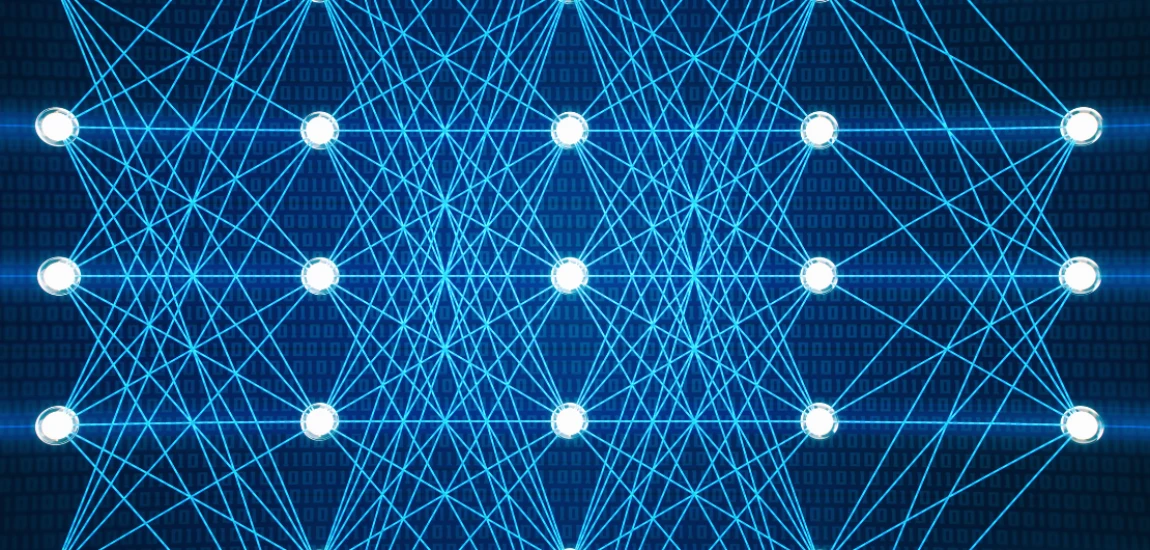
The convergence of neuroscience, artificial intelligence, cloud computing, and advanced communication networks is paving the way for one of the most transformative technological revolutions in human history: Brain-to-Cloud Connectivity Networks. These emerging systems aim to establish direct communication channels between the human brain and cloud-based digital infrastructures, enabling seamless neural data exchange without traditional input devices such as keyboards, screens, or touch interfaces.
As brain-computer interfaces (BCIs) become increasingly sophisticated, researchers envision a future where thoughts, memories, sensory information, and cognitive commands can be transmitted securely between biological and digital environments. Such developments could dramatically enhance healthcare, education, communication, productivity, and even human intelligence itself.
While many aspects of direct neural connectivity remain experimental, advancements in neural implants, non-invasive brain sensors, edge computing, AI-driven signal processing, and ultra-fast wireless networks are bringing this vision closer to reality. Understanding the opportunities and challenges associated with these technologies is essential for governments, businesses, researchers, and society as a whole.
Understanding Brain-to-Cloud Connectivity Networks

The Evolution of Brain-Computer Interfaces
Brain-computer interfaces have evolved from simple laboratory experiments into sophisticated systems capable of translating neural signals into digital commands. Early BCIs focused on helping patients with severe disabilities communicate through basic signal interpretation. Today, advancements in machine learning and neural engineering allow researchers to decode increasingly complex brain activity patterns.
Modern BCIs use electrodes, neural implants, wearable sensors, and AI algorithms to capture electrical activity generated by neurons. These signals can be converted into digital information and transmitted to computers, robotic systems, or cloud platforms. As signal-processing technologies improve, BCIs are becoming faster, more accurate, and more adaptable to individual users.
The progression from standalone BCIs to cloud-connected neural systems represents the next major leap. Rather than processing data locally, future interfaces may leverage cloud computing resources to analyze enormous volumes of neural information in real time, providing unprecedented computational power and responsiveness.
How Brain-to-Cloud Systems Work
Brain-to-cloud connectivity networks rely on multiple interconnected technologies. Neural sensors collect brain activity, which is then digitized and transmitted through secure communication channels. Edge computing devices may perform preliminary processing before sending data to cloud-based AI systems.
Once in the cloud, advanced algorithms analyze neural patterns, identify user intentions, and generate responses. The processed information can then be transmitted back to the user through visual, auditory, or even direct neural feedback mechanisms.
This continuous exchange creates a bidirectional communication loop between the brain and digital systems. Such networks could allow users to interact with information, software, and connected devices using thought alone.
The Role of AI and Cloud Infrastructure
Artificial intelligence serves as the foundation of neural data interpretation. Human brain activity generates vast amounts of complex signals that would be impossible to decode efficiently without machine learning models.
Cloud infrastructures provide the storage capacity, computational resources, and scalability needed to manage neural data ecosystems. By combining AI with cloud computing, future systems could continuously learn from users, personalize experiences, and improve communication accuracy over time.
Core Technologies Driving Direct Neural Data Exchange

Advanced Neural Sensors and Implants
The effectiveness of brain-to-cloud communication depends heavily on the quality of neural sensing technologies. Researchers are developing ultra-thin electrodes, biocompatible implants, and high-resolution neural interfaces capable of capturing precise brain activity.
Future implants may integrate thousands or even millions of neural recording channels, enabling highly detailed monitoring of cognitive processes. Non-invasive alternatives, including wearable neurotechnology devices, are also advancing rapidly and may offer broader accessibility.
These innovations aim to improve signal quality while minimizing risks associated with implantation and long-term use.
High-Speed Communication Networks
Direct neural communication requires extremely low-latency data transmission. Future connectivity solutions may depend on advanced wireless infrastructures such as 6G networks, satellite communications, and edge-cloud architectures.
High-speed networks are critical because even small delays can significantly affect real-time neural interactions. Researchers are exploring communication protocols specifically optimized for neural data transmission to ensure reliability and responsiveness.
As network technologies continue evolving, seamless neural communication across global cloud systems may become feasible.
AI-Powered Neural Signal Processing
Raw neural signals are highly complex and difficult to interpret. AI-powered signal-processing systems can identify patterns, filter noise, and translate brain activity into meaningful digital outputs.
Deep learning models are increasingly capable of recognizing speech intentions, motor commands, emotional states, and cognitive activities. These capabilities form the foundation of direct neural data exchange.
Future AI systems may become sophisticated enough to facilitate near-instantaneous translation of thoughts into digital commands, dramatically expanding the capabilities of brain-to-cloud networks.
Transforming Healthcare Through Neural Connectivity

Revolutionizing Neurological Treatment
Healthcare represents one of the most promising applications of brain-to-cloud connectivity. Neural interfaces could help diagnose and treat neurological disorders with unprecedented precision.
Doctors may use cloud-connected brain monitoring systems to detect early signs of diseases such as Alzheimer's, Parkinson's, epilepsy, and other neurological conditions. Continuous monitoring could enable proactive interventions and personalized treatment plans.
Real-time neural analytics could transform disease management and significantly improve patient outcomes.
Restoring Lost Functions
Brain-to-cloud systems may help individuals regain lost sensory or motor functions. Patients suffering from paralysis could potentially control robotic limbs, wheelchairs, or communication devices through neural commands alone.
Cloud-based AI could enhance the accuracy and adaptability of these systems, allowing users to achieve greater independence and quality of life. Future developments may even support advanced prosthetics capable of delivering sensory feedback directly to the brain.
Such capabilities represent a major breakthrough in assistive healthcare technologies.
Mental Health Monitoring and Support
Neural connectivity networks may also revolutionize mental healthcare. AI-driven systems could monitor neural patterns associated with anxiety, depression, stress, and emotional well-being.
Healthcare providers could receive real-time insights into patient conditions, enabling more personalized and timely interventions. However, these applications also raise significant ethical and privacy considerations that must be carefully addressed.
Balancing innovation with patient rights will be essential for successful implementation.
Enhancing Human Intelligence and Cognitive Capabilities

Real-Time Knowledge Access
One of the most fascinating possibilities of brain-to-cloud connectivity is direct access to cloud-based information resources. Instead of searching for information manually, users may retrieve knowledge through neural interactions.
This could dramatically accelerate learning, problem-solving, and decision-making processes. Professionals in medicine, engineering, science, and education may benefit from immediate access to vast knowledge repositories.
Such capabilities could fundamentally reshape how humans interact with information.
Accelerated Learning and Skill Development
Future neural networks may facilitate enhanced educational experiences. Brain-to-cloud systems could analyze learning patterns and deliver personalized educational content directly aligned with individual cognitive needs.
Students might acquire new skills more efficiently through adaptive neural learning systems. Personalized cognitive enhancement could reduce learning barriers and improve educational outcomes globally.
These technologies could transform workforce development and lifelong learning opportunities.
Human-AI Cognitive Collaboration
Rather than replacing human intelligence, brain-to-cloud networks may create powerful forms of human-AI collaboration. AI systems could assist with memory retrieval, data analysis, creative problem-solving, and complex decision-making.
This partnership could enable individuals to perform tasks beyond current cognitive limitations while maintaining human judgment and creativity.
The future may involve hybrid intelligence ecosystems where humans and AI collaborate seamlessly through direct neural communication.


Gary Arndt operates "Everything Everywhere," a blog focusing on worldwide travel. An award-winning photographer, Gary shares stunning visuals alongside his travel tales.
Gary Arndt

Prev Post

Next Post