
Brain-to-Cloud Communication Networks and the Rise of Direct Neural Connectivity
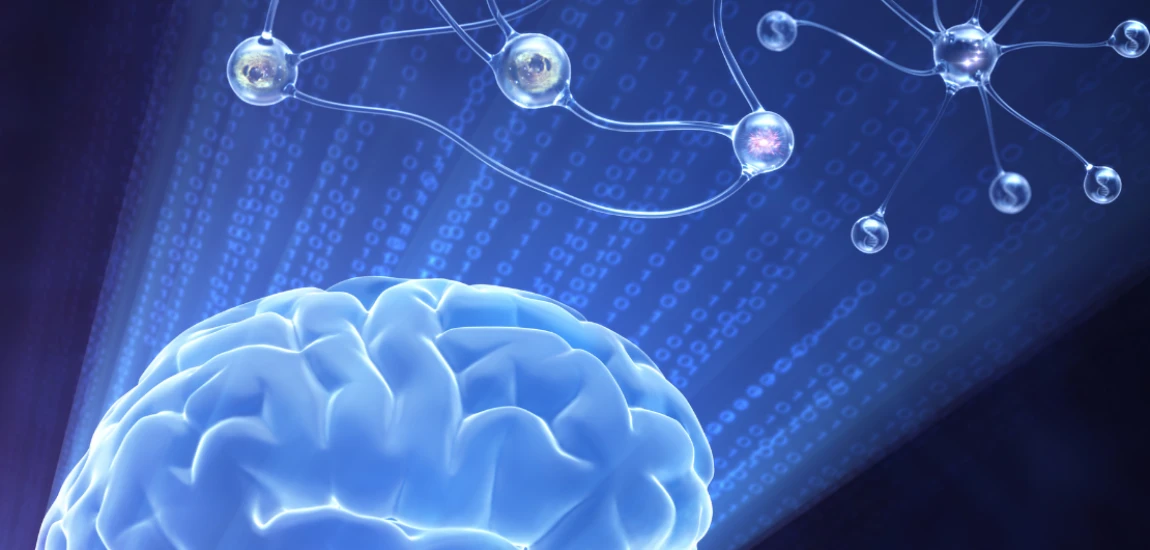
The relationship between humans and computers is entering a new phase. For decades, people have interacted with digital systems through keyboards, touchscreens, cameras, microphones, and voice assistants. These interfaces have become increasingly natural, but they still require users to translate their thoughts and intentions into physical actions. The next stage of computing could move beyond traditional input devices by creating direct connections between neural activity and digital networks.
This emerging vision is often associated with brain-to-cloud communication networks. These systems could combine brain-computer interfaces, neural sensors, artificial intelligence, cloud computing, edge processing, advanced connectivity, and secure data infrastructure to create new pathways between the human nervous system and digital environments.
A brain-to-cloud network would not necessarily mean that a person's entire mind is uploaded to the internet. Instead, the concept involves capturing selected neural signals, translating them into digital information, processing that information through intelligent computing systems, and potentially returning useful feedback to the brain or the user's surrounding environment.
For example, a neural interface could detect signals associated with movement, speech intentions, or specific cognitive commands. Edge AI could interpret the signals locally, while cloud computing could provide advanced analysis, personalized models, or access to digital services. In the future, these systems could help people interact with computers, assistive devices, robots, virtual environments, and communication platforms through increasingly direct neural connections.
The development of direct neural connectivity could create important opportunities in healthcare, accessibility, research, communication, and human-computer interaction. At the same time, it raises serious questions about privacy, cybersecurity, consent, data ownership, and the boundaries between biological and digital systems.
As neural technology advances, brain-to-cloud communication networks could become part of a new digital infrastructure in which human neural activity is connected to intelligent computing systems in real time.
What Are Brain-to-Cloud Communication Networks?

Connecting Neural Activity to Digital Infrastructure
Brain-to-cloud communication networks refer to a future class of systems designed to connect neural signals with distributed computing and cloud-based intelligence. The basic process involves several stages. First, a brain-computer interface detects electrical, chemical, or other forms of neural activity. Next, specialized hardware processes the signals and identifies meaningful patterns. Artificial intelligence then helps translate those patterns into digital commands or information.
The resulting data could be sent to edge computing systems or cloud platforms for additional processing. The cloud might provide advanced AI models, long-term personalization, data analysis, or communication with external digital services.
This architecture creates a connection between biological activity and digital infrastructure. Instead of interacting with technology only through physical devices, users may eventually be able to communicate with digital systems through neural signals.
The Role of Neural Interfaces
Brain-computer interfaces are central to this concept. These systems can be invasive, minimally invasive, or non-invasive, depending on how they collect neural signals.
Non-invasive systems may use sensors positioned outside the body. Other technologies may use implanted electrodes or advanced biomedical devices to capture more detailed signals.
The quality of neural data is extremely important. Brain activity is complex, and the same person may produce different signals depending on attention, fatigue, emotion, movement, or environment. AI is therefore necessary to interpret patterns and distinguish meaningful intentions from background neural activity.
Why Cloud Computing Matters
Cloud computing provides large-scale processing and storage capabilities that may be difficult to place directly inside a small neural interface.
A personalized cloud AI system could learn how a user's neural signals correspond to specific commands. Over time, the system could become better at recognizing individual patterns.
Cloud infrastructure could also connect neural interfaces to digital applications, communication tools, virtual environments, assistive devices, and intelligent agents.
This could transform the concept of a computer interface from something external into a continuous communication layer between the human nervous system and digital systems.
How Neural Signals Could Travel Through Intelligent Networks

From Brain Signals to Digital Commands
The human brain produces enormous amounts of electrical and chemical activity. A neural interface does not simply read thoughts like a traditional computer file. Instead, it detects patterns in neural signals and attempts to associate those patterns with specific intentions or actions.
For example, a system might learn that a particular neural pattern is associated with the intention to move a cursor or select an option. With sufficient training, the system can translate these patterns into digital commands.
This process is highly personalized. Neural signals vary between individuals, which means brain-to-cloud systems may need to continuously adapt.
Edge Processing Before Cloud Transmission
Sending raw neural data directly to the cloud may not always be practical. Neural signals can be highly sensitive, and continuous transmission may create latency and privacy concerns.
Edge AI can process information close to the neural interface. A local processor may identify relevant patterns and transmit only necessary information to the cloud.
This architecture could reduce bandwidth requirements and improve responsiveness. It could also provide additional privacy by keeping raw neural signals on a local device.
Intelligent Cloud Interpretation
The cloud could provide more advanced processing capabilities. Large AI models may analyze neural patterns, compare them with historical information, and improve the accuracy of the interface.
A cloud-based neural model could become increasingly personalized over time. It might understand how a user communicates, how signal patterns change, and which commands are most likely in different situations.
However, this personalization creates significant data protection responsibilities. Neural data could become one of the most sensitive forms of information ever collected.
Applications of Direct Neural Connectivity

Healthcare and Assistive Communication
One of the most important applications of brain-to-cloud communication could be assistive technology. People with certain physical limitations may benefit from systems that translate neural intentions into actions.
A user could potentially control a computer, robotic device, communication system, or assistive technology through neural signals.
This could provide new forms of independence for people who cannot rely on conventional movement or speech-based interfaces.
Healthcare applications may also include neural monitoring and personalized rehabilitation. AI systems could analyze neural patterns over time and help clinicians understand changes in brain activity.
Direct Interaction with AI Assistants
Future AI assistants could potentially respond to more than spoken or typed instructions. Neural interfaces might allow users to communicate simple intentions directly.
For example, a user could select an option, control a device, or initiate a digital action without speaking aloud.
This does not mean that AI would automatically read every thought. Practical systems would likely focus on trained, intentional signals that users deliberately produce.
The distinction between intentional neural commands and private spontaneous thoughts will be extremely important for user trust.
Virtual and Augmented Reality
Brain-to-cloud communication could also transform immersive technology. Virtual reality systems currently depend on controllers, cameras, eye tracking, and motion sensors.
Neural interfaces could add another layer of interaction. Users might control virtual objects, communicate with digital environments, or customize experiences through neural signals.
Cloud AI could analyze these signals and adapt virtual environments in real time. This could create more responsive and personalized digital experiences.
Artificial Intelligence as the Interpreter of the Brain

Neural Decoding Through Machine Learning
Artificial intelligence plays a central role in neural connectivity because raw brain signals are extremely complex.
Machine learning models can identify patterns that may be difficult to interpret using traditional programming. These models can be trained to associate neural activity with specific intentions.
As more data becomes available, AI systems may become better at decoding certain categories of neural signals.
However, neural decoding should not be confused with perfect mind reading. Most current and foreseeable systems operate within specific trained tasks and controlled contexts.
Personalized Neural Models
Every brain is different. A neural interface designed for one person may not work exactly the same way for another.
AI can help create personalized models that adapt to individual neural patterns. The system may learn from feedback and gradually improve its accuracy.
This could create a form of personalized neural computing in which the interface becomes increasingly familiar with the user's unique signal patterns.
Adaptive and Context-Aware Interfaces
Future systems could use context to improve interpretation. The same neural signal might mean different things depending on what the user is doing.
An AI system could combine neural information with environmental data, eye movement, device activity, and user preferences.
This multimodal approach could improve accuracy while reducing reliance on neural signals alone.


Ben Schlappig runs "One Mile at a Time," focusing on aviation and frequent flying. He offers insights on maximizing travel points, airline reviews, and industry news.
Ben Schlappig

Prev Post

Next Post