
Synthetic Biology Automation Systems and the Future of Programmable Living Technologies
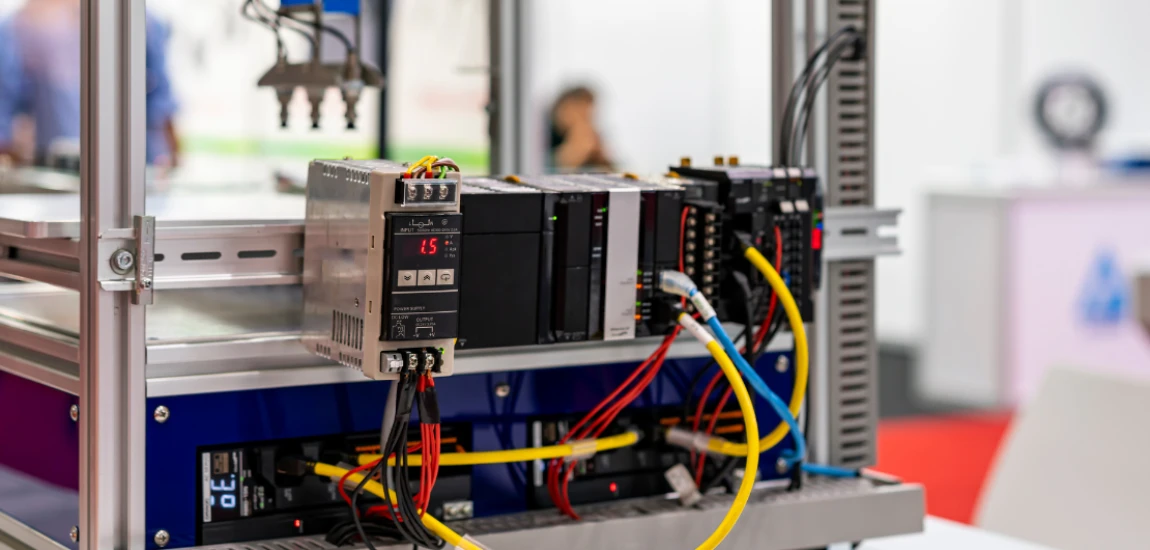
Biology is becoming increasingly programmable. Scientists are no longer limited to observing natural biological processes; they can now design genetic instructions, engineer microorganisms, modify cellular behavior, and create biological systems capable of performing specific functions. At the same time, automation and artificial intelligence are transforming how biological research is conducted.
The combination of these technologies is creating a new frontier: synthetic biology automation systems.
Synthetic biology focuses on designing or redesigning biological systems for useful purposes. Automation allows laboratories to perform experiments faster, more consistently, and at a much larger scale. Artificial intelligence can analyze biological data, identify patterns, generate experimental designs, and help researchers predict which biological systems may work best.
Together, these technologies could lead to a future of programmable living technologies. Microorganisms could be engineered to produce sustainable materials, cells could be designed to detect disease signals, biological systems could help clean pollution, and automated laboratories could continuously test new biological designs.
This transformation represents a shift from manually performing individual experiments toward creating intelligent biological development platforms. Instead of conducting one experiment at a time, automated systems can design, build, test, and analyze thousands of biological possibilities.
The future of biotechnology may therefore be shaped by the convergence of synthetic biology, robotics, AI, automation, genetic engineering, and advanced data science.
Understanding Synthetic Biology Automation Systems

The Combination of Biology and Automation
Synthetic biology automation systems combine biological engineering with automated laboratory technologies.
A modern automated laboratory may use robotic liquid handlers, automated incubators, imaging systems, genetic analysis tools, and software platforms. These systems can perform repetitive laboratory tasks with greater speed and consistency.
Automation is particularly valuable in synthetic biology because biological experiments often involve multiple stages. Researchers may need to design genetic sequences, assemble biological components, grow cells, test performance, collect data, and analyze results.
Automated systems can coordinate many of these activities.
This creates a more efficient workflow and allows researchers to conduct experiments at a scale that would be difficult to achieve manually.
The Design-Build-Test-Learn Cycle
A central concept in synthetic biology is the design-build-test-learn cycle.
Scientists first design a biological system, build it using genetic or cellular engineering techniques, test its performance, and learn from the results.
Automation can accelerate every stage of this cycle.
AI can help design genetic systems. Robotics can build biological samples. Automated equipment can perform testing. Machine learning can analyze results.
The information generated from each experiment can then improve the next design.
This creates a continuous feedback loop that can accelerate innovation.
Biology as an Engineering Platform
Synthetic biology increasingly treats biological systems as programmable platforms.
Researchers can work with genetic components, biological circuits, microorganisms, and cells to create specific functions.
The goal is not to make biology completely predictable, but to improve the ability to design and control biological behavior.
Automation makes this engineering approach more scalable.
The Role of Artificial Intelligence in Programmable Biology

AI-Generated Biological Designs
Artificial intelligence can analyze enormous amounts of biological data.
Machine learning systems can identify relationships between genetic sequences, proteins, cellular behavior, and environmental conditions.
This information can help researchers generate new biological designs.
An AI system may suggest genetic modifications, predict the performance of engineered cells, or identify promising biological pathways.
Researchers can then test these designs through automated laboratory systems.
Intelligent Experiment Planning
AI can also help determine which experiments should be conducted next.
Instead of testing possibilities randomly, an algorithm can analyze previous results and select experiments that are likely to provide the most useful information.
This approach can reduce wasted resources and accelerate discovery.
An automated laboratory may continuously receive instructions from an AI system, conduct experiments, analyze results, and determine the next stage of testing.
Machine Learning for Biological Optimization
Biological systems can behave differently under changing conditions.
Temperature, nutrients, environmental conditions, and genetic interactions may influence performance.
AI can analyze these variables and identify ways to optimize biological systems.
This may be useful in biotechnology, pharmaceutical production, agriculture, and industrial manufacturing.
The result is a more adaptive approach to biological engineering.
Automated Laboratories and the Rise of Self-Driving Biotechnology

Robotic Laboratory Workflows
Automated laboratories are becoming increasingly important for high-throughput biological research.
Robotic systems can move samples, mix liquids, prepare experiments, control environmental conditions, and collect data.
This reduces repetitive manual work and allows researchers to focus on experimental design and interpretation.
Automation can also improve consistency by performing tasks with precise timing and measurement.
Self-Driving Laboratories
The next step is the development of self-driving laboratories.
These systems combine robotics, AI, sensors, laboratory equipment, and automated data analysis.
A self-driving laboratory may receive a research objective, design a series of experiments, conduct them automatically, analyze the results, and select the next experiments.
This could significantly accelerate biological discovery.
Researchers would still define goals and supervise the system, but many routine experimental decisions could become automated.
Scaling Biological Discovery
Traditional biology research can be limited by time and human labor.
Automated systems can conduct many experiments simultaneously.
This makes it possible to explore more biological possibilities in a shorter period.
The ability to scale experimentation could become one of the greatest advantages of synthetic biology automation systems.
Applications of Programmable Living Technologies

Medicine and Therapeutic Development
Synthetic biology automation systems could transform medical research.
Engineered cells may be designed to detect biological signals, produce therapeutic molecules, or perform specific functions inside the human body.
Automated systems can help researchers test biological designs more efficiently.
AI may assist with identifying promising therapeutic candidates and predicting how biological systems could behave.
This could accelerate the development of new treatments.
Sustainable Manufacturing
Biological systems can also be used to produce materials and chemicals.
Engineered microorganisms may produce alternatives to petroleum-based materials, industrial chemicals, food ingredients, and other products.
Automated synthetic biology platforms can help optimize these biological production systems.
This may contribute to more sustainable manufacturing.
Agriculture and Environmental Applications
Programmable biology could also support agriculture and environmental sustainability.
Engineered biological systems may help improve crop characteristics, support soil health, or detect environmental changes.
Microorganisms could potentially be designed to help process pollutants or produce environmentally useful compounds.
Automation can accelerate the development and testing of these applications.


Kate McCulley, the voice behind "Adventurous Kate," provides travel advice tailored for women. Her blog encourages safe and adventurous travel for female readers.
Kate McCulley

Prev Post

Next Post