
Autonomous Space Habitat Networks and Sustainable Extraterrestrial Living Infrastructures
Humanity is entering a new era of space exploration where missions are no longer limited to short visits beyond Earth's atmosphere. Governments, private space companies, and international research organizations are actively developing technologies that could support permanent human settlements on the Moon, Mars, and other extraterrestrial environments. Achieving this vision requires far more than advanced rockets and transportation systems. Long-term survival in space demands intelligent, resilient, and self-sustaining habitats capable of operating independently for years or even decades. This challenge has led to the emergence of Autonomous Space Habitat Networks, a revolutionary concept designed to create interconnected living ecosystems beyond Earth.
Autonomous Space Habitat Networks combine artificial intelligence, robotics, renewable energy systems, advanced life-support technologies, and sustainable resource management to establish extraterrestrial living infrastructures that can function with minimal human intervention. These habitats are envisioned as smart ecosystems capable of producing food, recycling waste, generating energy, maintaining environmental stability, and adapting to changing conditions in hostile space environments.
Unlike traditional space stations that depend heavily on Earth-based support, future habitat networks must achieve high levels of self-sufficiency. Delays in communication, transportation limitations, and the harsh realities of extraterrestrial environments make autonomous operation essential. Sustainable extraterrestrial living infrastructures will therefore become the foundation of future lunar bases, Martian cities, asteroid mining facilities, and deep-space exploration missions.
As technological advancements continue accelerating, autonomous habitat networks may eventually support thriving off-world communities that contribute to scientific discovery, economic development, and humanity's long-term survival. This article explores the technologies, challenges, applications, and future potential of autonomous space habitat networks and sustainable extraterrestrial living infrastructures.
Understanding Autonomous Space Habitat Networks and Their Core Architecture

The Evolution from Space Stations to Habitat Networks
Traditional space habitats such as orbital stations were designed primarily for scientific research and temporary occupancy. They rely heavily on supplies, maintenance, and operational support from Earth. Future extraterrestrial settlements require a fundamentally different approach.
Autonomous Space Habitat Networks represent an evolution from isolated habitats to interconnected ecosystems capable of supporting permanent populations. Instead of functioning as standalone structures, these habitats work together as integrated networks that share resources, information, and operational capabilities.
This networked architecture improves resilience by ensuring that individual habitat modules can support one another during emergencies or system failures. The result is a more robust and scalable infrastructure suitable for long-term extraterrestrial living.
Intelligent Habitat Design Principles
Future space habitats must be designed with adaptability and autonomy in mind. Intelligent design principles incorporate modular construction, self-monitoring systems, predictive maintenance capabilities, and environmental control technologies.
Artificial intelligence continuously monitors habitat performance, identifies potential risks, and implements corrective actions before problems escalate. This proactive approach significantly enhances safety and operational efficiency.
Smart habitat architectures also enable expansion over time, allowing settlements to grow as population and mission requirements evolve.
Networked Infrastructure Ecosystems
Rather than relying on a single centralized structure, future extraterrestrial settlements will likely consist of interconnected habitat clusters. These networks may include residential modules, agricultural facilities, research centers, manufacturing units, energy systems, and transportation hubs.
Interconnected infrastructures improve redundancy and operational flexibility. Resources can be redistributed dynamically across the network based on demand, ensuring efficient utilization and improved survivability.
Such ecosystems form the foundation of sustainable extraterrestrial civilization development.
Artificial Intelligence and Robotics in Space Habitat Automation

Autonomous Habitat Management
Artificial intelligence serves as the operational brain of autonomous space habitat networks. AI systems continuously analyze environmental conditions, resource consumption, equipment performance, and human activity.
By processing vast amounts of data in real time, AI can optimize habitat operations and ensure environmental stability. Automated decision-making reduces dependence on human intervention while improving overall efficiency.
This capability is especially important for distant settlements where communication delays make real-time support from Earth impractical.
Robotic Maintenance and Repair Systems
Maintaining extraterrestrial infrastructure presents significant challenges due to extreme environmental conditions and limited human labor availability. Advanced robotic systems can perform routine inspections, repairs, and construction activities autonomously.
Robots equipped with machine vision and predictive analytics can identify structural weaknesses, equipment failures, and environmental hazards before they become critical issues.
Autonomous maintenance systems increase habitat longevity while reducing operational risks for human occupants.
Human-Robot Collaboration
Although automation will play a central role, humans and robots will likely work together in future space settlements. Collaborative robotic systems can assist astronauts with construction, scientific research, agriculture, and manufacturing tasks.
This partnership enhances productivity while allowing human residents to focus on strategic and creative activities. The integration of robotics into daily habitat operations creates more efficient and sustainable extraterrestrial communities.
Human-robot collaboration will become a defining characteristic of future space societies.
Sustainable Life Support Systems and Resource Management

Closed-Loop Environmental Control Systems
One of the most critical aspects of extraterrestrial living is maintaining a stable and habitable environment. Closed-loop life-support systems recycle air, water, and waste materials to minimize dependence on external supplies.
These systems continuously monitor environmental conditions and adjust operations to maintain optimal living conditions. Advanced filtration, purification, and recycling technologies ensure long-term sustainability.
By maximizing resource efficiency, closed-loop systems significantly reduce mission costs and logistical challenges.
Water Recovery and Recycling Technologies
Water is among the most valuable resources in space. Sustainable habitat networks must recover and recycle water with extraordinary efficiency.
Future systems may capture moisture from the atmosphere, recycle wastewater, and extract water from local extraterrestrial sources such as lunar ice or Martian subsurface deposits.
High-efficiency water management technologies support long-term habitation while minimizing resource scarcity risks.
Waste-to-Resource Conversion
Waste management becomes particularly important in isolated environments. Autonomous habitat networks utilize advanced biological and chemical processes to convert waste into useful resources.
Organic waste can be transformed into fertilizers, energy, or raw materials for manufacturing applications. This circular resource model reduces waste accumulation while enhancing habitat self-sufficiency.
Efficient resource recovery supports sustainable extraterrestrial ecosystem development.
Energy Generation and Infrastructure Sustainability

Solar Power and Renewable Energy Systems
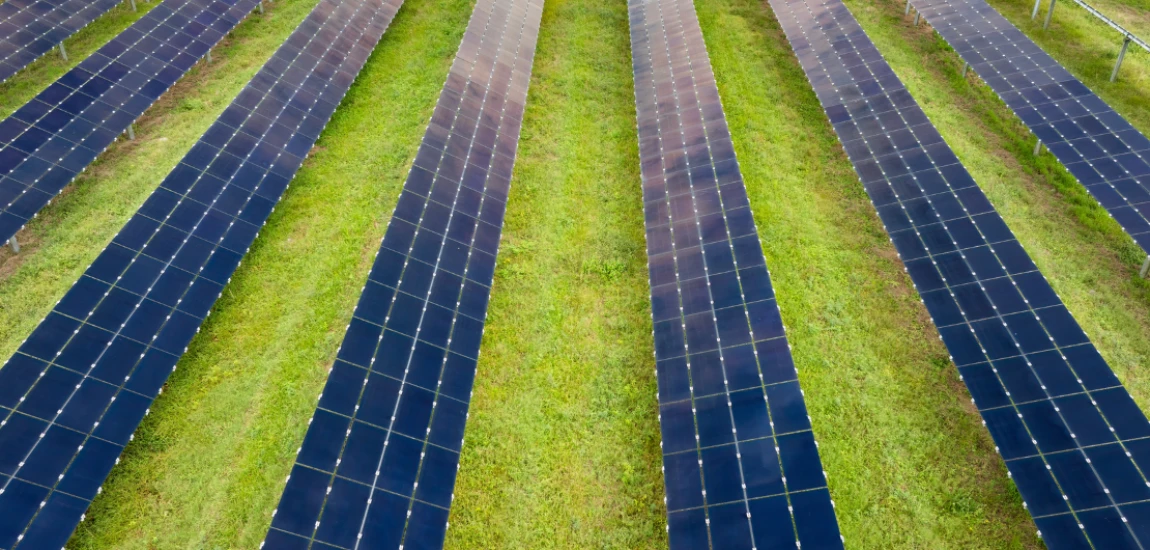
Reliable energy generation is essential for maintaining extraterrestrial habitats. Solar power remains one of the most promising energy sources for lunar and Martian settlements.
Advanced photovoltaic systems combined with intelligent energy management platforms can provide continuous power for habitat operations. Energy storage technologies ensure reliability during periods of reduced sunlight availability.
Renewable energy systems reduce dependence on imported fuel and support sustainable colony growth.
Advanced Energy Storage Solutions
Energy storage is critical for ensuring uninterrupted habitat functionality. Future settlements may employ advanced batteries, hydrogen storage systems, thermal energy storage technologies, and other innovative solutions.
These systems provide backup power during emergencies and support stable operation under varying environmental conditions.
Robust energy storage infrastructures contribute significantly to habitat resilience and reliability.
Self-Sustaining Infrastructure Networks
Future habitat networks will increasingly emphasize self-sufficiency. Local resource utilization technologies can produce construction materials, energy components, and replacement parts directly from extraterrestrial resources.
This capability reduces transportation requirements and enhances settlement independence. Self-sustaining infrastructures form a cornerstone of long-term space colonization strategies.
Such systems support continuous expansion without excessive reliance on Earth-based supply chains.


Dave Lee runs "GoBackpacking," a blog that blends travel stories with how-to guides. He aims to inspire backpackers and offer them practical advice.
Dave Lee
Prev Post

Next Post