
Autonomous Smart Port Systems and Real-Time Maritime Logistics Optimization Architectures
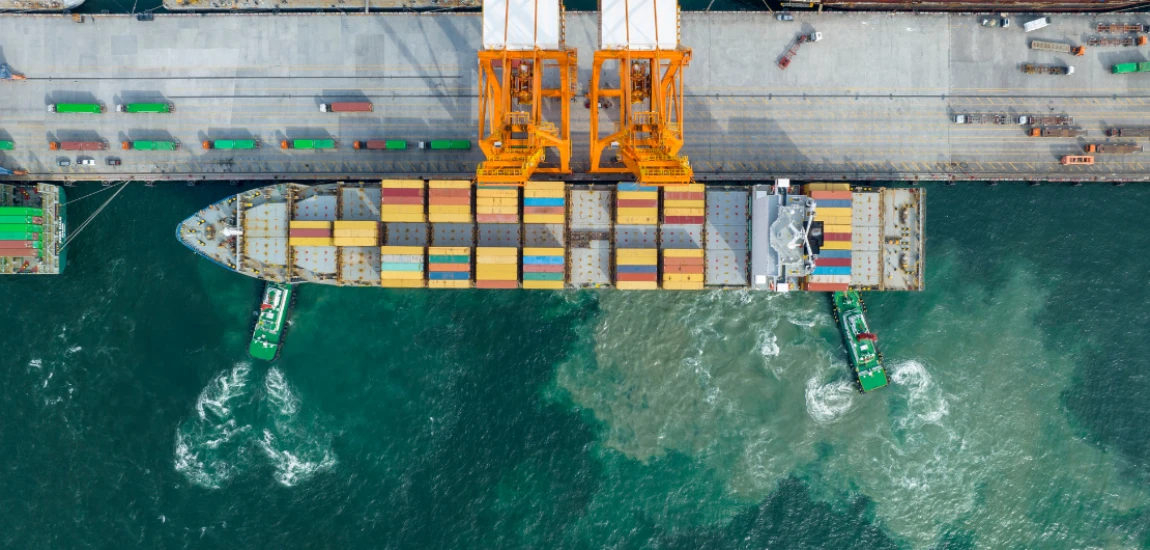
Global trade depends heavily on maritime transportation, with ports serving as critical hubs for international commerce, cargo distribution, and supply chain management. As shipping volumes continue to grow, traditional port infrastructure faces increasing pressure from operational inefficiencies, congestion, environmental concerns, and rising logistics costs. To address these challenges, the maritime industry is rapidly adopting autonomous smart port systems and real-time maritime logistics optimization architectures powered by artificial intelligence, automation, and advanced digital technologies.
Smart ports integrate AI-driven analytics, Internet of Things (IoT) devices, autonomous vehicles, robotics, cloud computing, and predictive logistics frameworks to improve operational efficiency and cargo management. These intelligent systems enable ports to automate container handling, optimize vessel traffic, reduce delays, and enhance supply chain visibility in real time.
Real-time maritime logistics optimization architectures further improve shipping efficiency by analyzing cargo movement, weather conditions, transportation schedules, and infrastructure performance continuously. These advanced systems support faster decision-making, lower operational costs, and more sustainable maritime operations.
As international trade networks become increasingly complex, autonomous smart port technologies are emerging as essential solutions for improving global logistics resilience and ensuring efficient maritime transportation infrastructure.
Understanding Autonomous Smart Port Systems

Autonomous smart port systems are digitally connected maritime infrastructures that use AI, robotics, and automation technologies to manage port operations more efficiently and intelligently.
Integration of Artificial Intelligence and Port Automation
Artificial intelligence plays a central role in modern smart port operations. AI-driven systems analyze shipping schedules, cargo traffic, equipment performance, and environmental conditions to optimize port activities in real time.
Machine learning algorithms continuously improve operational efficiency by identifying patterns in vessel movement, container handling, and logistics workflows. These systems can predict congestion risks, optimize berth allocation, and automate cargo scheduling.
AI-powered automation reduces human error while improving speed, safety, and operational reliability across maritime terminals.
IoT Sensors and Real-Time Data Collection
Smart ports rely heavily on IoT-enabled sensors and connected devices to collect operational data continuously. Sensors monitor cargo conditions, equipment health, fuel consumption, weather patterns, and vessel positioning in real time.
This data is transmitted to cloud-based analytics platforms where AI systems process information instantly to support operational decision-making.
Real-time visibility into port activities enables faster response to disruptions and improves overall logistics coordination across maritime supply chains.
Autonomous Cargo Handling Systems
Modern smart ports increasingly use autonomous cranes, robotic transport vehicles, and automated storage systems to manage container operations efficiently.
AI-powered cargo handling systems can identify optimal loading and unloading sequences while minimizing equipment idle time. Automated guided vehicles transport containers across terminals without requiring direct human intervention.
These intelligent systems improve throughput capacity, reduce operational delays, and enhance workplace safety within busy port environments.
Real-Time Maritime Logistics Optimization Architectures

Real-time maritime logistics optimization architectures are intelligent digital frameworks designed to improve shipping efficiency, cargo tracking, and transportation coordination across global maritime networks.
Predictive Shipping and Route Optimization
AI-driven logistics platforms analyze shipping schedules, ocean traffic, weather conditions, and fuel consumption patterns to optimize maritime transportation routes.
Predictive analytics help shipping companies identify the fastest and most cost-effective navigation paths while avoiding congestion and hazardous conditions.
These optimization frameworks reduce fuel usage, improve delivery reliability, and enhance operational sustainability across maritime transportation systems.
Intelligent Cargo Tracking and Monitoring
Modern logistics systems use AI-powered tracking technologies to monitor cargo movement continuously from origin to destination.
IoT sensors and satellite communication systems provide real-time visibility into container location, temperature conditions, humidity levels, and shipment status.
Intelligent cargo monitoring improves supply chain transparency and helps organizations prevent cargo damage, theft, and delivery delays.
Dynamic Supply Chain Coordination
Global maritime supply chains involve complex interactions between ports, shipping companies, warehouses, customs agencies, and transportation providers.
AI-driven logistics architectures coordinate these operations dynamically by analyzing real-time operational data and adjusting workflows automatically.
Dynamic coordination frameworks improve resource allocation, reduce bottlenecks, and support faster cargo processing across interconnected trade networks.
Applications of Smart Port Technologies

Autonomous smart port systems are transforming multiple aspects of maritime transportation, logistics management, and international trade operations.
Container Terminal Automation
Container terminals are among the busiest areas within modern ports. Automated terminal systems use robotics and AI technologies to streamline container stacking, transportation, and loading operations.
Autonomous cranes and robotic vehicles can operate continuously with high precision, significantly increasing cargo handling efficiency.
Automated terminal operations also reduce labor-intensive processes and improve workplace safety in high-risk industrial environments.
Maritime Traffic Management
Smart maritime traffic systems help ports manage vessel arrivals, departures, and docking operations more effectively.
AI-powered traffic control frameworks analyze ship movement patterns and environmental conditions to optimize navigation routes and minimize port congestion.
Efficient maritime traffic management improves vessel turnaround times and reduces operational delays for shipping companies.
Environmental Monitoring and Sustainability
Environmental sustainability is becoming increasingly important within the maritime industry. Smart ports use AI-driven environmental monitoring systems to track emissions, energy consumption, water quality, and pollution levels.
Automated sustainability frameworks help ports optimize energy usage, reduce carbon emissions, and comply with environmental regulations.
Green port initiatives also support renewable energy integration and sustainable infrastructure development.
Benefits of AI-Driven Smart Port Systems

AI-powered maritime logistics systems provide substantial economic, operational, and environmental benefits for ports, shipping companies, and global trade networks.
Improved Operational Efficiency
Automation and AI optimization significantly reduce cargo processing times and improve overall terminal productivity.
Smart scheduling systems minimize equipment downtime while optimizing workforce allocation and vessel coordination. Faster cargo handling improves shipping reliability and strengthens supply chain performance.
Operational efficiency is critical for handling growing global trade volumes effectively.
Reduced Logistics Costs
Real-time optimization frameworks help organizations reduce fuel consumption, labor expenses, and infrastructure maintenance costs.
Predictive maintenance systems identify equipment issues before failures occur, minimizing costly operational disruptions.
Automated logistics management also reduces paperwork and administrative overhead through digital workflow integration.
Enhanced Supply Chain Visibility
AI-driven monitoring systems provide real-time insights into cargo movement, shipment conditions, and transportation performance.
Improved visibility allows organizations to respond quickly to disruptions, delays, or security threats within global supply chains.
Transparent logistics operations strengthen customer trust and improve business decision-making capabilities.


Gary Arndt operates "Everything Everywhere," a blog focusing on worldwide travel. An award-winning photographer, Gary shares stunning visuals alongside his travel tales.
Gary Arndt

Prev Post

Next Post