
Autonomous Smart Grid Systems and AI-Driven Energy Consumption Optimization Architectures
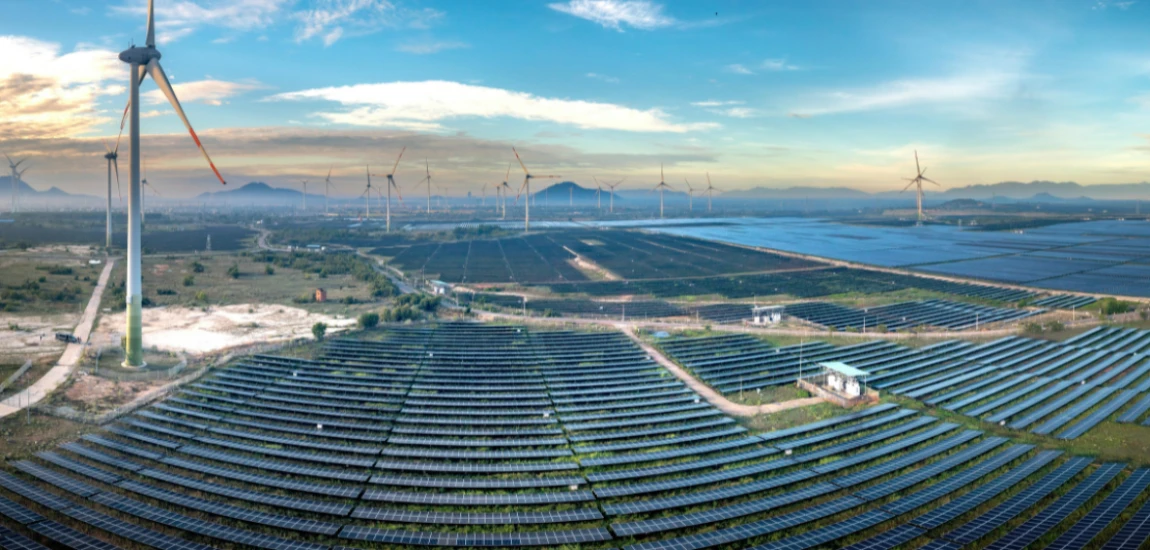
The global energy landscape is undergoing a rapid transformation driven by rising electricity demand, climate change concerns, renewable energy expansion, and the increasing complexity of power distribution networks. Traditional electrical grids were designed for one-way energy flow and centralized power generation, making them inefficient for today’s dynamic energy needs. As a result, energy providers are turning toward autonomous smart grid systems and AI-driven energy consumption optimization architectures to modernize power infrastructure and improve efficiency.
Autonomous smart grids are intelligent energy networks that use artificial intelligence, machine learning, Internet of Things (IoT) devices, and real-time analytics to manage electricity generation, distribution, and consumption automatically. These systems continuously monitor energy flow, detect inefficiencies, and optimize distribution without requiring constant human intervention.
AI-driven energy consumption optimization architectures enhance this process by analyzing user behavior, predicting energy demand, integrating renewable energy sources, and balancing grid loads dynamically. These systems ensure that electricity is distributed efficiently across residential, industrial, and commercial sectors.
As renewable energy sources such as solar and wind power become more widespread, smart grid systems are essential for maintaining stability, reducing energy waste, and supporting sustainable energy ecosystems.
Understanding Autonomous Smart Grid Systems

Autonomous smart grid systems are next-generation energy infrastructures designed to intelligently manage electricity distribution using real-time data, automation, and AI-based decision-making technologies.
AI-Powered Energy Management Systems
Artificial intelligence is at the core of modern smart grids. AI algorithms analyze energy consumption patterns, grid performance data, and demand fluctuations to optimize electricity distribution.
Machine learning models continuously learn from historical and real-time data to improve energy forecasting accuracy. These systems can automatically adjust power supply based on demand changes, reducing energy waste and improving efficiency.
AI-powered management ensures that energy is delivered where it is needed most at the right time.
Real-Time Grid Monitoring and Control
Smart grid systems rely on real-time monitoring technologies that track electricity flow across the entire network. Sensors installed in power lines, transformers, and substations collect data on voltage levels, load conditions, and system performance.
This data is transmitted instantly to centralized control systems, where AI analyzes grid conditions and detects anomalies such as overloads or faults.
Real-time monitoring enables faster response to issues, preventing blackouts and improving grid reliability.
Autonomous Decision-Making in Energy Distribution
Autonomous smart grids are capable of making independent decisions based on AI-driven analysis. These systems can reroute electricity, balance loads, and activate backup power sources without human intervention.
This level of automation ensures uninterrupted power supply even during peak demand or system failures.
Autonomous decision-making enhances operational stability and reduces dependency on manual grid management.
AI-Driven Energy Consumption Optimization Architectures

Energy consumption optimization architectures use artificial intelligence to improve how electricity is used across different sectors, ensuring efficiency and sustainability.
Predictive Energy Demand Forecasting
AI systems analyze historical consumption data, weather conditions, economic activity, and user behavior to predict future energy demand.
These predictive models help utilities prepare for peak usage periods and allocate resources efficiently.
Accurate forecasting reduces energy shortages and prevents unnecessary energy production.
Intelligent Load Balancing Systems
Load balancing is a critical component of energy optimization. AI algorithms distribute electricity evenly across the grid to prevent overloads and inefficiencies.
Smart systems automatically shift energy loads between different regions and time periods based on demand fluctuations.
This ensures stable grid performance and minimizes energy losses.
Consumer Behavior Analytics and Smart Metering
Smart meters collect real-time data on household and industrial energy usage. AI systems analyze this data to identify consumption patterns and suggest optimization strategies.
Consumers receive insights on how to reduce energy usage and lower electricity costs.
Behavioral analytics encourages more efficient energy consumption habits.
Core Technologies Behind Smart Grid Systems

Modern autonomous smart grids rely on multiple advanced technologies working together to create intelligent energy ecosystems.
Internet of Things and Smart Sensors
IoT devices play a crucial role in smart grid systems by collecting real-time data from energy infrastructure components.
Smart sensors monitor voltage, current, temperature, and equipment health continuously.
This data enables accurate decision-making and predictive maintenance of energy systems.
Big Data Analytics and Cloud Computing
Smart grids generate massive amounts of data that require powerful processing capabilities. Cloud computing platforms store and analyze this data efficiently.
Big data analytics identifies trends, inefficiencies, and optimization opportunities within energy networks.
This improves decision-making and system performance across the grid.
Renewable Energy Integration Systems
Smart grids are designed to integrate renewable energy sources such as solar panels, wind turbines, and hydroelectric systems.
AI ensures smooth integration by balancing intermittent energy production with grid demand.
This supports cleaner and more sustainable energy systems.
Benefits of Autonomous Smart Grid Systems

Autonomous smart grids offer significant advantages for energy providers, consumers, and the environment.
Improved Energy Efficiency and Reduced Waste
AI-driven optimization reduces energy losses during transmission and distribution.
Smart systems ensure electricity is used more efficiently across all sectors.
This leads to lower operational costs and improved energy sustainability.
Enhanced Grid Stability and Reliability
Smart grids can detect faults and automatically reroute power to prevent outages.
This improves system resilience during peak demand or emergencies.
Reliable energy supply supports economic stability and industrial productivity.
Lower Carbon Emissions and Environmental Impact
Optimized energy consumption reduces reliance on fossil fuels.
Integration of renewable energy sources helps decrease carbon emissions.
This contributes to global sustainability and climate goals.


Derek Baron, also known as "Wandering Earl," offers an authentic look at long-term travel. His blog contains travel stories, tips, and the realities of a nomadic lifestyle.
Derek Baron

Prev Post
Next Post