
Autonomous Robotics Manufacturing Ecosystems and the Future of Zero-Human Smart Factories
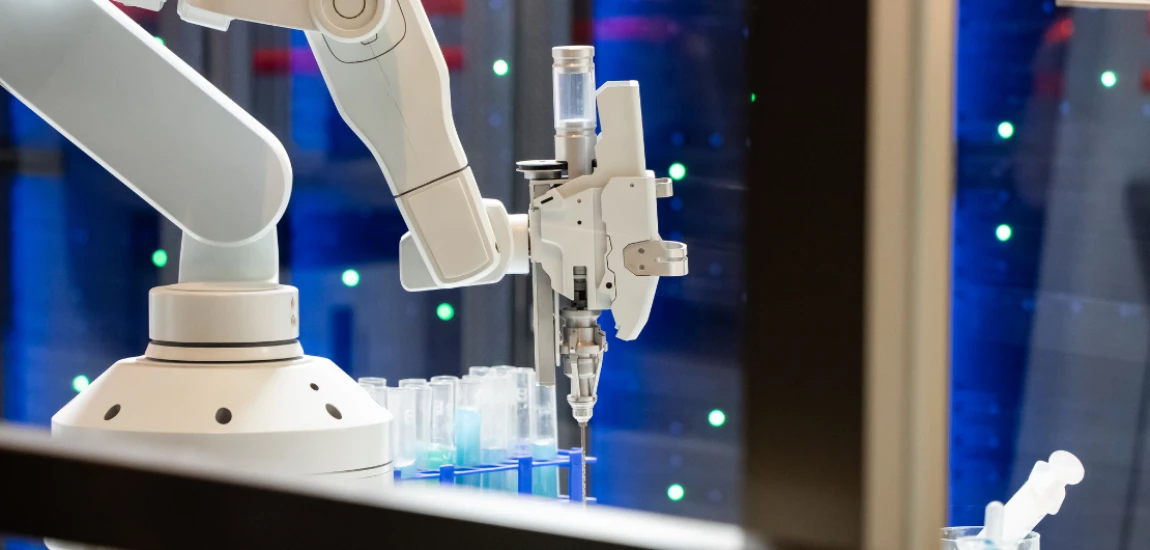
The manufacturing industry is experiencing one of the most significant technological transformations since the Industrial Revolution. Increasing global competition, labor shortages, rising operational costs, and the demand for faster production have encouraged manufacturers to embrace intelligent automation. While traditional factories have relied on human operators working alongside automated machinery, the next phase of industrial evolution focuses on Autonomous Robotics Manufacturing Ecosystems—fully connected production environments where intelligent robots, artificial intelligence (AI), machine learning, Industrial Internet of Things (IIoT), and digital twins collaborate to manage manufacturing with minimal or even zero direct human intervention.
Unlike conventional automation, which depends on pre-programmed routines, autonomous robotics ecosystems continuously analyze production data, adapt to changing conditions, optimize workflows, and make real-time decisions independently. Smart robots communicate with one another, inspect product quality, schedule predictive maintenance, coordinate material movement, and adjust manufacturing processes without waiting for human instructions. These intelligent ecosystems create factories that are faster, safer, more efficient, and capable of operating around the clock.
As Industry 4.0 evolves toward Industry 5.0 and beyond, Autonomous Robotics Manufacturing Ecosystems are expected to become the foundation of zero-human smart factories. These next-generation facilities will reshape global manufacturing by improving productivity, reducing waste, increasing sustainability, and enabling highly customized production at unprecedented scales.
Understanding Autonomous Robotics Manufacturing Ecosystems

The Evolution from Traditional Automation to Autonomous Manufacturing
Manufacturing automation has progressed dramatically over the past several decades. Early industrial robots performed repetitive tasks based on fixed programming, requiring human operators to supervise operations, correct errors, and adjust workflows whenever production conditions changed. While these systems improved productivity, they lacked the intelligence needed to respond dynamically to unexpected situations.
Autonomous Robotics Manufacturing Ecosystems represent the next stage of industrial transformation. These systems combine robotics, artificial intelligence, machine learning, industrial sensors, computer vision, and intelligent networking into highly adaptive production environments. Rather than executing static instructions, autonomous robots continuously evaluate production conditions, interpret sensor information, and independently determine the most efficient operational strategies.
This shift enables manufacturing facilities to operate with far greater flexibility. Robots automatically adapt to product variations, optimize assembly sequences, reroute production tasks during equipment failures, and coordinate with other intelligent machines to maintain continuous productivity. The result is a manufacturing ecosystem capable of learning, improving, and evolving without constant human oversight.
Core Components of Intelligent Robotics Ecosystems
A modern Autonomous Robotics Manufacturing Ecosystem integrates several advanced technologies into a unified industrial platform. AI-powered robots perform assembly, welding, packaging, inspection, material handling, and logistics operations while computer vision systems monitor product quality with exceptional precision.
Industrial Internet of Things (IIoT) sensors collect real-time information regarding machine performance, temperature, vibration, energy consumption, production speed, and environmental conditions. Machine learning algorithms analyze these datasets continuously to optimize production efficiency and predict equipment failures before breakdowns occur.
Digital twins create virtual replicas of manufacturing facilities, allowing engineers to simulate production changes, evaluate equipment performance, and optimize workflows without interrupting actual operations. Edge computing processes time-sensitive information locally, while cloud platforms manage long-term analytics and enterprise-wide coordination.
Together, these technologies create intelligent ecosystems where every machine contributes to continuous optimization and autonomous decision-making.
Why Zero-Human Smart Factories Matter
Global manufacturers face increasing pressure to deliver higher-quality products more quickly while reducing operational costs and maintaining sustainability goals. Labor shortages, supply chain disruptions, and growing product complexity further increase the need for intelligent manufacturing systems.
Zero-human smart factories address these challenges by operating continuously with minimal manual intervention. Autonomous robots perform hazardous, repetitive, and precision-intensive tasks more consistently than traditional manufacturing methods while reducing workplace injuries and production errors.
These intelligent ecosystems also improve resource efficiency by minimizing material waste, reducing energy consumption, optimizing inventory management, and supporting flexible production capable of responding rapidly to changing market demands. As manufacturing becomes increasingly digital, autonomous robotics ecosystems will provide the competitive advantage necessary for future industrial leadership.
Core Technologies Driving Zero-Human Smart Factories

Artificial Intelligence and Machine Learning
Artificial intelligence serves as the central intelligence layer within Autonomous Robotics Manufacturing Ecosystems. AI algorithms process enormous volumes of production data collected from sensors, robotics systems, quality inspection equipment, and supply chain platforms. These algorithms identify production bottlenecks, optimize scheduling, predict equipment failures, and continuously improve manufacturing performance.
Machine learning enables industrial robots to refine their capabilities through operational experience. Rather than relying exclusively on fixed programming, intelligent robots learn from previous production cycles, adapt to changing product designs, and improve assembly accuracy over time.
AI also enhances computer vision systems capable of identifying microscopic manufacturing defects, verifying assembly accuracy, and ensuring consistent product quality. This continuous learning capability enables factories to maintain exceptional productivity while reducing waste and improving customer satisfaction.
Industrial Robotics, Computer Vision, and Digital Twins
Advanced robotics forms the physical foundation of zero-human manufacturing environments. Collaborative robots, autonomous mobile robots, robotic arms, automated guided vehicles, and intelligent inspection systems coordinate seamlessly across production facilities.
Computer vision technologies allow robots to recognize components, inspect finished products, navigate factory environments, and perform complex assembly operations with extraordinary precision. High-resolution imaging combined with AI-powered analysis enables immediate identification of manufacturing defects before products leave production lines.
Digital twins further strengthen manufacturing intelligence by creating real-time virtual models of factory operations. Engineers can simulate production changes, optimize equipment placement, test automation strategies, and evaluate maintenance schedules before implementing modifications in physical facilities. This significantly reduces operational risks while accelerating continuous improvement initiatives.
Industrial IoT, Edge Computing, and Autonomous Coordination
Industrial Internet of Things (IIoT) devices provide continuous streams of operational information throughout manufacturing facilities. Sensors monitor equipment performance, environmental conditions, inventory movement, production efficiency, and worker safety while generating valuable data for AI-driven optimization.
Edge computing processes mission-critical information directly within manufacturing facilities, enabling robots to make immediate decisions without relying entirely on remote cloud servers. This reduces communication delays while supporting real-time autonomous coordination among multiple robotic systems.
Cloud platforms complement edge computing by storing historical production data, managing enterprise-wide analytics, coordinating global manufacturing operations, and supporting predictive planning across multiple facilities. Together, IIoT, edge computing, artificial intelligence, and robotics create intelligent manufacturing ecosystems capable of supporting the future of fully autonomous industrial production.
Industry Applications of Autonomous Robotics Manufacturing Ecosystems

Automotive Manufacturing and Precision Engineering
The automotive industry has long been a leader in industrial automation, but Autonomous Robotics Manufacturing Ecosystems are taking vehicle production to an entirely new level. Modern automotive factories use AI-powered robotic systems to perform welding, painting, component assembly, quality inspection, and final testing with exceptional speed and accuracy. Unlike conventional robots that follow fixed programming, autonomous robots continuously analyze production conditions and adapt their actions based on changing requirements.
Machine learning algorithms monitor production efficiency while computer vision systems inspect every component for microscopic defects that might be overlooked during manual inspection. Autonomous mobile robots transport materials between production stations without human intervention, reducing delays and improving workflow efficiency.
Digital twins further improve manufacturing by creating virtual simulations of entire production lines. Engineers can evaluate new vehicle designs, optimize assembly sequences, and predict equipment performance before implementing changes in physical factories. Predictive maintenance systems also monitor robotic equipment continuously, reducing downtime by identifying maintenance needs before mechanical failures occur.
As electric vehicles, autonomous vehicles, and customized vehicle production continue expanding, intelligent robotics ecosystems will enable manufacturers to produce increasingly complex vehicles while maintaining high quality, lower costs, and faster delivery times.
Electronics, Semiconductor, and High-Tech Manufacturing
Electronics manufacturing demands extraordinary precision due to the miniature size and complexity of modern devices. Autonomous Robotics Manufacturing Ecosystems allow semiconductor fabrication facilities and electronics manufacturers to achieve levels of accuracy that are difficult to maintain through manual operations.
Robotic assembly systems position microscopic electronic components with incredible precision while AI-powered inspection systems verify solder quality, circuit integrity, and assembly accuracy in real time. Computer vision technologies rapidly detect defects, reducing product recalls and improving customer satisfaction.
Autonomous material handling robots transport sensitive semiconductor wafers through cleanroom environments while minimizing contamination risks. Intelligent environmental monitoring systems continuously regulate temperature, humidity, vibration, and air quality to maintain ideal manufacturing conditions.
As demand grows for advanced processors, artificial intelligence chips, wearable devices, and quantum computing components, autonomous robotics ecosystems will play a central role in enabling high-volume production while maintaining exceptional manufacturing quality.
Pharmaceutical, Food, and Consumer Goods Production
Healthcare and food manufacturing industries also benefit significantly from autonomous production systems. Pharmaceutical companies rely on robotic manufacturing to produce medicines with consistent quality while complying with strict regulatory standards. Intelligent robotics automate packaging, labeling, sterile handling, laboratory testing, and inventory management while reducing contamination risks.
AI-driven quality control continuously verifies product specifications, ensuring every batch meets rigorous safety requirements. Predictive analytics optimize raw material usage and production scheduling, improving operational efficiency while minimizing waste.
Food and beverage manufacturers use autonomous robotics for sorting, packaging, inspection, sanitation, and distribution. Computer vision identifies defective products while robotic systems maintain consistent quality throughout high-speed production environments.
Consumer goods manufacturers similarly benefit from flexible automation capable of adapting rapidly to changing customer preferences and seasonal demand. These intelligent ecosystems support highly customized manufacturing while maintaining efficient large-scale production.
Benefits and Future Potential of Zero-Human Smart Factories

Greater Productivity, Efficiency, and Operational Reliability
One of the greatest advantages of Autonomous Robotics Manufacturing Ecosystems is their ability to maximize productivity without sacrificing quality. Intelligent robots operate continuously, performing repetitive and precision-based tasks with consistent accuracy throughout extended production cycles.
Artificial intelligence optimizes manufacturing schedules, balances production workloads, and automatically reallocates resources when unexpected disruptions occur. Predictive maintenance reduces costly equipment failures by identifying performance issues before breakdowns interrupt production.
Autonomous systems also minimize production waste by optimizing raw material usage, reducing defective products, and improving energy efficiency. These improvements lower manufacturing costs while supporting more sustainable industrial operations.
Continuous monitoring allows factory managers to evaluate production performance using real-time analytics rather than relying solely on historical reports. This enables faster decision-making and ongoing process improvement throughout the manufacturing lifecycle.
Improved Workplace Safety and Sustainable Manufacturing
Although zero-human smart factories reduce direct human involvement in production processes, they also improve workplace safety by removing workers from hazardous environments. Dangerous tasks such as heavy lifting, chemical handling, extreme temperatures, and repetitive assembly operations can be performed by autonomous robots with significantly lower risk.
Artificial intelligence continuously monitors factory conditions, detecting gas leaks, equipment malfunctions, fire hazards, and other safety concerns before they escalate into serious incidents. Emergency response systems automatically isolate affected equipment while notifying maintenance personnel.
Environmental sustainability also improves through intelligent resource management. AI optimizes electricity consumption, reduces water usage, minimizes material waste, and supports circular manufacturing practices through improved recycling and resource recovery. These capabilities help organizations achieve both operational efficiency and environmental responsibility.
As governments strengthen sustainability regulations, autonomous manufacturing ecosystems will become increasingly valuable for supporting carbon reduction strategies and green industrial transformation.
Preparing for the Future of Autonomous Manufacturing
The future of manufacturing extends far beyond today's automated production lines. Autonomous Robotics Manufacturing Ecosystems represent the foundation of fully intelligent industrial environments capable of self-optimization, autonomous collaboration, and continuous innovation.
Future factories may integrate advanced humanoid robots, edge artificial intelligence, quantum computing, 6G industrial communication networks, blockchain-based supply chain management, and digital twin ecosystems that coordinate manufacturing operations across multiple global facilities.
Organizations preparing for this transformation should invest in AI infrastructure, industrial robotics, workforce reskilling, cybersecurity, and smart manufacturing platforms. Developing expertise in autonomous production technologies today will provide significant competitive advantages as Industry 4.0 continues evolving toward fully intelligent industrial ecosystems.
Businesses that embrace autonomous robotics will be better positioned to improve productivity, reduce operational costs, enhance product quality, strengthen supply chain resilience, and respond rapidly to changing customer demands. As intelligent automation continues advancing, Autonomous Robotics Manufacturing Ecosystems will redefine the future of zero-human smart factories, creating manufacturing environments that are safer, more efficient, highly adaptive, and capable of supporting the next generation of global industrial innovation.


Shivya Nath authors "The Shooting Star," a blog that covers responsible and off-the-beaten-path travel. She writes about sustainable tourism and community-based experiences.
Shivya Nath

Prev Post

Next Post