
Autonomous Robotics Intelligence Systems and Self-Learning Industrial Automation Architectures
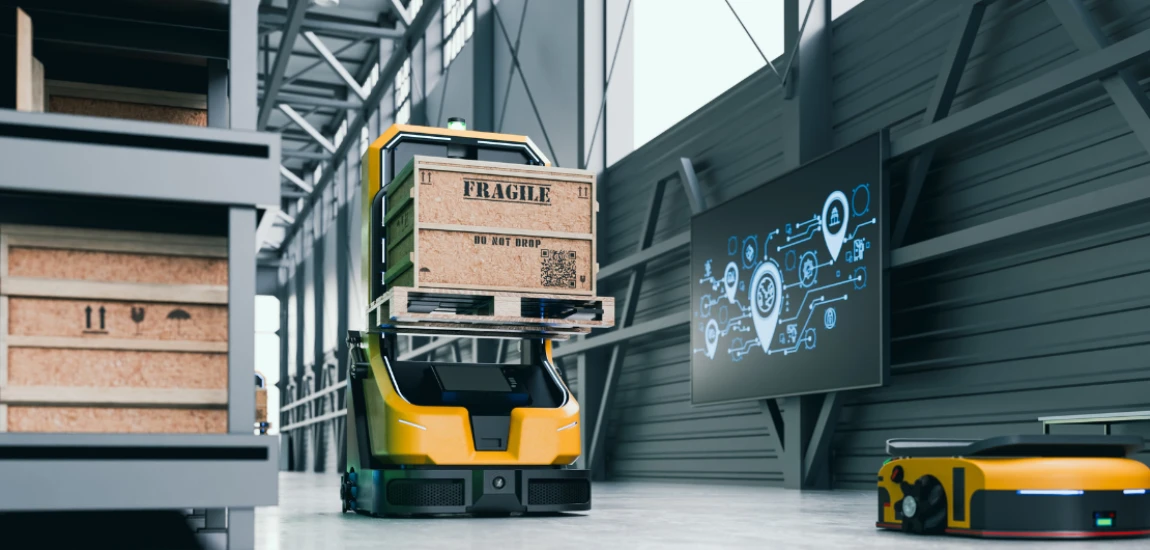
Autonomous robotics intelligence systems are rapidly transforming the landscape of industrial automation by introducing machines that can think, learn, and act independently. Unlike traditional automation, which relies on predefined rules and rigid programming, modern systems leverage artificial intelligence, machine learning, and real-time data processing to continuously improve their performance. These intelligent systems are capable of analyzing complex environments, making data-driven decisions, and adapting to dynamic industrial conditions without constant human oversight. As industries face increasing pressure to improve efficiency, reduce costs, and enhance productivity, self-learning industrial automation architectures are emerging as a critical solution. From manufacturing floors to logistics hubs, these systems are enabling smarter operations, minimizing errors, and unlocking new levels of scalability and innovation.
Introduction to Autonomous Robotics Intelligence Systems

The Evolution of Industrial Automation
Industrial automation has undergone a remarkable transformation, evolving from simple mechanical systems to highly sophisticated, intelligent frameworks. In the early stages, automation was limited to repetitive tasks controlled by fixed programming, offering little flexibility. However, the integration of artificial intelligence has revolutionized this landscape, giving rise to autonomous robotics intelligence systems that can learn and adapt over time.
These systems represent a shift from static processes to dynamic, data-driven operations. They are capable of analyzing vast amounts of information, identifying patterns, and optimizing workflows in real time. This evolution is not only enhancing operational efficiency but also enabling industries to respond quickly to changing demands and market conditions. As a result, businesses are increasingly investing in intelligent automation to stay competitive and future-ready.
What Makes Robotics “Autonomous”
Autonomous robotics systems are defined by their ability to operate independently with minimal human intervention. This autonomy is achieved through a combination of advanced technologies, including machine learning algorithms, computer vision, and sensor integration. These components enable robots to perceive their environment, process information, and make decisions based on real-time data.
Unlike traditional robots, which follow predefined instructions, autonomous systems can adapt to new situations and learn from past experiences. This makes them highly versatile and capable of handling complex tasks in dynamic environments. Their ability to self-optimize and improve performance over time is what truly sets them apart in the field of industrial automation.
Importance in Modern Industries
In today’s fast-paced industrial environment, the importance of autonomous robotics intelligence systems cannot be overstated. These systems are driving efficiency, reducing operational costs, and enhancing productivity across various sectors. By automating both simple and complex tasks, they allow businesses to focus on innovation and strategic growth.
Moreover, autonomous systems improve accuracy and consistency, minimizing human errors and ensuring high-quality output. They also enable continuous operations, which is particularly valuable in industries with high production demands. As a result, organizations adopting these technologies are gaining a significant competitive advantage.
Core Technologies Behind Self-Learning Industrial Automation

Artificial Intelligence and Machine Learning
Artificial intelligence and machine learning form the backbone of autonomous robotics intelligence systems. These technologies enable robots to learn from data, recognize patterns, and make informed decisions. Machine learning models continuously evolve by analyzing historical and real-time data, allowing systems to improve their performance over time.
Deep learning techniques further enhance these capabilities by enabling advanced functions such as image recognition, speech processing, and predictive analytics. This allows robots to perform tasks that require a high level of intelligence, such as quality inspection and anomaly detection.
Sensor Integration and Data Processing
Sensors play a crucial role in enabling robots to interact with their environment. They collect real-time data on various parameters, such as temperature, motion, and visual inputs. This data is then processed using advanced analytics to generate actionable insights.
The integration of sensors with AI systems allows robots to respond to environmental changes effectively. For instance, in manufacturing, sensors can detect defects and trigger immediate corrective actions, ensuring consistent quality and reducing waste.
Cloud and Edge Computing
Cloud and edge computing technologies are essential for managing and processing the vast amounts of data generated by autonomous systems. Cloud computing provides scalable storage and processing capabilities, while edge computing enables real-time data analysis at the source.
This combination ensures that systems can make quick decisions without latency while also benefiting from centralized data management. It creates a robust infrastructure that supports continuous learning and system optimization.
Architecture of Self-Learning Industrial Automation Systems

Modular System Design
Self-learning industrial automation systems are often built using a modular architecture, allowing different components to function independently while remaining interconnected. This design approach enhances flexibility and scalability, enabling organizations to adapt their systems as needed.
Modular design also simplifies maintenance and upgrades, as individual components can be replaced or enhanced without affecting the entire system. This makes it easier for businesses to keep up with technological advancements.
Data-Driven Decision Frameworks
Data-driven frameworks are at the core of autonomous robotics systems. These frameworks analyze data to generate insights and guide decision-making processes. By leveraging advanced analytics, robots can optimize workflows, predict outcomes, and improve efficiency.
Predictive maintenance is a prime example of this approach, where systems analyze data to anticipate equipment failures and schedule maintenance proactively. This reduces downtime and extends the lifespan of machinery.
Integration with Existing Infrastructure
Integrating autonomous robotics systems with existing infrastructure is a critical step in implementation. Organizations must ensure compatibility with legacy systems to maximize efficiency and minimize disruptions.
This often involves the use of middleware and APIs to facilitate communication between different components. Successful integration enables seamless data flow and coordination, resulting in improved operational performance.
Benefits of Autonomous Robotics in Industrial Automation

Increased Efficiency and Productivity
Autonomous robotics systems significantly enhance efficiency by automating repetitive and time-consuming tasks. This allows businesses to achieve higher productivity levels and faster turnaround times.
These systems can operate continuously without fatigue, ensuring consistent performance and reducing downtime. This is particularly beneficial in industries with high production demands.
Enhanced Safety and Risk Reduction
Safety is a major concern in industrial environments, and autonomous robotics systems play a vital role in reducing risks. By performing hazardous tasks, such as handling toxic materials or operating in extreme conditions, robots minimize the need for human intervention.
This not only improves workplace safety but also ensures compliance with regulatory standards. As a result, organizations can create a safer and more efficient working environment.
Cost Optimization and ROI
While the initial investment in automation technologies can be high, the long-term benefits are substantial. Autonomous robotics systems reduce labor costs, minimize errors, and optimize resource utilization, leading to significant cost savings.
Over time, these savings translate into a higher return on investment, making automation a strategic choice for businesses aiming for sustainable growth.
Challenges and Considerations in Implementation

High Initial Investment
One of the biggest challenges in adopting autonomous robotics systems is the high upfront cost. This includes expenses related to hardware, software, and infrastructure. For smaller organizations, this can be a significant barrier.
However, as technology advances and becomes more accessible, the cost of implementation is expected to decrease. Businesses can also adopt a phased approach to manage expenses effectively.
Data Security and Privacy Concerns
With increased reliance on data, security and privacy have become critical concerns. Autonomous systems handle large volumes of sensitive information, making them vulnerable to cyber threats.
Organizations must implement robust security measures, such as encryption and access controls, to protect their data. Ensuring compliance with regulations is also essential to maintain trust and avoid legal issues.
Workforce Adaptation and Skill Gaps
The adoption of advanced automation technologies requires a skilled workforce capable of managing and maintaining these systems. This creates a challenge, as there may be a shortage of qualified professionals.
To address this, organizations must invest in training and development programs. Upskilling employees and fostering collaboration between humans and machines can help bridge the gap.


Shivya Nath authors "The Shooting Star," a blog that covers responsible and off-the-beaten-path travel. She writes about sustainable tourism and community-based experiences.
Shivya Nath

Prev Post

Next Post