
Autonomous Nanomedicine Platforms and the Rise of Intelligent Cellular Healthcare
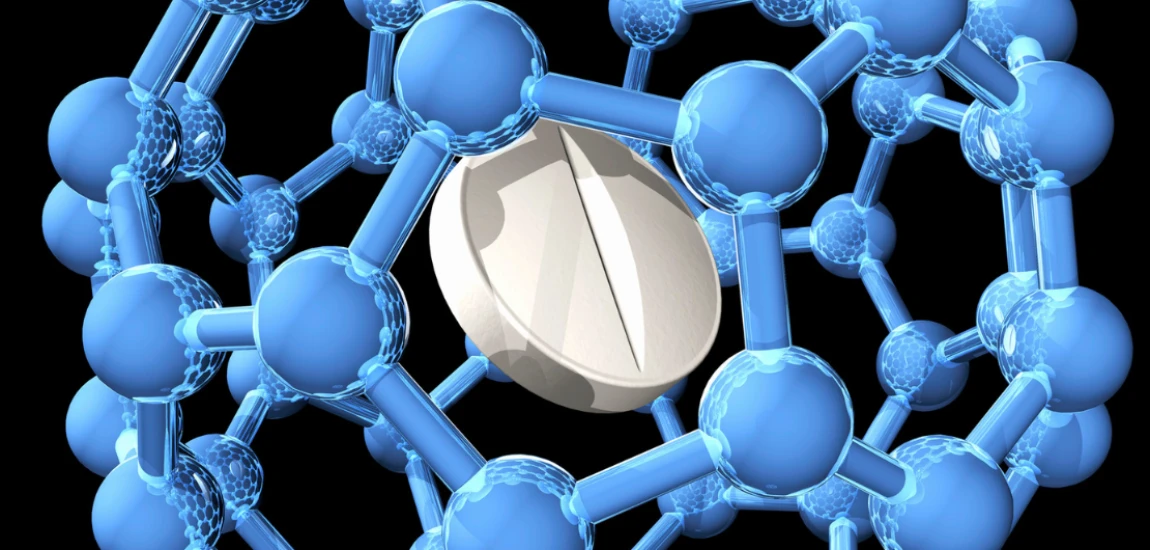
Modern healthcare is shifting from treating diseases after symptoms appear to detecting, monitoring, and managing them with greater precision. Nanotechnology has become one of the most promising areas of medical research because it enables scientists to work at the molecular and cellular levels. When combined with artificial intelligence (AI), advanced biosensors, and precision medicine, nanotechnology has the potential to improve how diseases are diagnosed and treated. This emerging field is often described as autonomous nanomedicine, although many of its most advanced applications are still being researched and tested.
Today, nanomedicine is already used in several medical applications, including targeted drug delivery, cancer treatment research, diagnostic imaging, and vaccine technologies. Scientists are now developing smart nanoparticles that can respond to biological signals such as changes in pH, enzyme activity, or temperature to release medicines more precisely. At the same time, AI is helping researchers design better nanoparticles, predict treatment outcomes, and personalize therapies based on patient-specific data.
While fully autonomous nanorobots capable of independently diagnosing and treating diseases remain experimental, current research is steadily moving toward more intelligent and responsive nanomedicine platforms. These technologies could eventually improve treatment accuracy, reduce side effects, and support personalized healthcare. Understanding today's achievements and future possibilities helps explain why autonomous nanomedicine is considered one of the most exciting frontiers in medical science.
Understanding Autonomous Nanomedicine Platforms

What Are Autonomous Nanomedicine Platforms?
Autonomous nanomedicine platforms refer to advanced nanoscale medical systems designed to improve disease detection, targeted drug delivery, and treatment monitoring. Rather than representing fully independent medical robots, today's research focuses primarily on smart nanoparticles and nanoscale delivery systems that respond automatically to specific biological conditions inside the body.
Many of these platforms are engineered to recognize biomarkers associated with diseases such as cancer or inflammation. Some nanoparticles can release medicines only when they encounter acidic environments, particular enzymes, or other biological triggers that indicate diseased tissue. This targeted approach increases treatment precision while reducing unnecessary exposure of healthy cells to medication.
Researchers are also exploring how artificial intelligence can improve the design and optimization of nanomedicine platforms. AI models analyze biological data to predict how nanoparticles interact with tissues, helping scientists develop safer and more effective therapies.
How Nanomedicine Differs from Traditional Drug Delivery
Traditional medicines often circulate throughout the bloodstream, affecting both diseased and healthy tissues. While many treatments are highly effective, this broad distribution can cause unwanted side effects and reduce therapeutic efficiency, particularly in conditions such as cancer.
Nanomedicine aims to solve this challenge by using nanoparticles that transport medicines directly to targeted tissues. Lipid nanoparticles, polymer-based nanoparticles, and other nanoscale carriers protect drugs during circulation and improve delivery to specific locations within the body. This approach can increase treatment effectiveness while lowering required drug doses and minimizing adverse effects.
Although researchers continue investigating increasingly sophisticated nanoparticle systems, fully autonomous nanorobots capable of independently navigating the bloodstream and making medical decisions remain experimental and have not yet become part of routine clinical practice.
Why Intelligent Cellular Healthcare Matters
Healthcare is becoming increasingly personalized as clinicians use genetic information, molecular diagnostics, and patient-specific data to guide treatment decisions. Intelligent cellular healthcare supports this shift by focusing on therapies tailored to the biological characteristics of individual patients.
Nanomedicine contributes to this vision by enabling more precise drug delivery, earlier disease detection, and improved monitoring of treatment responses. As research advances, these technologies may help physicians treat diseases more effectively while reducing complications, shortening recovery times, and improving long-term patient outcomes.
Core Technologies Behind Intelligent Cellular Healthcare

Smart Nanoparticles and Targeted Drug Delivery
Smart nanoparticles form the foundation of modern nanomedicine research. These microscopic carriers are engineered to transport medicines safely through the body and release them under specific biological conditions. Researchers have developed nanoparticles that respond to changes in pH, enzyme activity, temperature, magnetic fields, or light, allowing more controlled drug delivery.
Several nanoparticle technologies are already being investigated or used in clinical settings for cancer therapies, infectious diseases, and inflammatory disorders. Scientists continue improving their stability, targeting accuracy, and compatibility with human tissues to enhance treatment effectiveness.
Artificial Intelligence in Nanomedicine Research
Artificial intelligence is becoming an essential tool for accelerating nanomedicine development. Machine learning algorithms analyze enormous biomedical datasets to identify promising nanoparticle designs, predict drug behavior, and optimize treatment strategies before clinical testing begins.
AI also assists researchers in discovering new drug combinations, improving medical imaging analysis, and supporting personalized medicine. Rather than replacing physicians, AI enhances research efficiency and provides valuable insights that help healthcare professionals make more informed decisions.
Biosensors and Precision Diagnostics
Highly sensitive biosensors are another key component of intelligent cellular healthcare. These devices detect biological molecules associated with disease, enabling earlier diagnosis and more accurate monitoring of patient health. Some biosensors are being integrated with nanoscale materials to improve sensitivity and provide faster diagnostic results.
Combined with wearable health technologies, laboratory testing, and AI-powered analytics, advanced biosensors may eventually support continuous health monitoring and personalized treatment planning. Although many innovations remain under active investigation, biosensor technologies are already contributing to more precise and data-driven healthcare.
Benefits of Autonomous Nanomedicine Platforms

More Precise and Personalized Treatments
One of the most important advantages of autonomous nanomedicine platforms is their potential to improve the precision of medical treatments. Conventional medicines often travel throughout the body, affecting both healthy and diseased tissues. In contrast, nanomedicine focuses on delivering therapeutic agents directly to targeted cells or organs. This targeted approach may improve treatment effectiveness while reducing unnecessary exposure to healthy tissues.
Researchers are developing nanoparticles that recognize specific biomarkers associated with diseases such as cancer, inflammatory disorders, and certain infections. Some experimental nanoparticles are designed to release medication only when they encounter biological conditions like acidic environments or specific enzymes. Although many of these technologies are still being evaluated in laboratory and clinical research, they represent an important step toward personalized medicine.
Personalized healthcare also benefits from advances in genomics and molecular diagnostics. By combining patient-specific biological information with targeted nanomedicine, healthcare providers may eventually select therapies that are better suited to an individual's condition, improving outcomes while reducing unwanted side effects.
Earlier Disease Detection and Continuous Monitoring
Early diagnosis is one of the most effective ways to improve treatment outcomes for many diseases. Nanotechnology is contributing to this goal through highly sensitive biosensors and nanoparticle-based diagnostic tools capable of detecting disease biomarkers at very low concentrations.
Researchers are studying nanosensors that may assist in identifying cancer biomarkers, cardiovascular disease indicators, and infectious agents earlier than some conventional diagnostic methods. While many of these technologies remain under development, early research suggests they could improve disease monitoring and support faster clinical decision-making.
Future intelligent healthcare systems may combine nanosensors with wearable devices, laboratory diagnostics, and AI-assisted data analysis to provide continuous monitoring of patient health. Such systems could help physicians identify treatment responses more quickly and adjust therapies based on real-time medical information.
Supporting Medical Research and Drug Development
Nanomedicine is also accelerating pharmaceutical research by improving drug formulation and delivery. Researchers use nanotechnology to increase the stability of medicines, enhance their absorption, and improve their ability to reach targeted tissues.
Artificial intelligence further supports this work by helping scientists analyze large biomedical datasets, identify promising drug candidates, and predict nanoparticle behavior before laboratory testing. Together, AI and nanotechnology may reduce research timelines and improve the efficiency of developing new therapies for complex diseases.
Current and Future Applications of Intelligent Cellular Healthcare

Cancer Treatment and Precision Oncology
Cancer research is one of the leading areas of nanomedicine development. Several nanoparticle-based therapies have already been approved for clinical use, particularly to improve the delivery of chemotherapy drugs. These systems help transport medicines more efficiently while reducing some of the side effects associated with conventional chemotherapy.
Researchers are also investigating nanoparticles that can carry multiple therapeutic agents, improve imaging of tumors, or respond to biological signals within the tumor microenvironment. Although many advanced concepts are still experimental, precision oncology continues to be one of the most promising applications of intelligent nanomedicine.
Neurological, Cardiovascular, and Infectious Diseases
Scientists are exploring nanomedicine for treating neurological disorders such as Alzheimer's disease and Parkinson's disease by developing nanoparticles capable of crossing the blood-brain barrier—a major challenge in conventional drug delivery. While this research remains ongoing, early findings suggest that targeted delivery may improve future treatment options.
In cardiovascular medicine, nanoparticles are being studied to deliver drugs directly to damaged blood vessels and inflamed tissues. Researchers are also investigating nanotechnology-based therapies for infectious diseases, including antimicrobial drug delivery systems that may improve treatment efficiency while helping reduce antimicrobial resistance.
Regenerative Medicine and Future Healthcare
Nanotechnology is playing an increasingly important role in regenerative medicine by supporting tissue engineering, wound healing, and advanced biomaterials. Researchers are developing nanostructured scaffolds that encourage cell growth and tissue repair, which could benefit patients recovering from injuries or surgeries.
Looking ahead, future intelligent cellular healthcare may combine nanomedicine with AI, robotics, gene editing, and precision diagnostics to create more personalized treatment strategies. However, many of these technologies are still in the research and clinical trial stages. Their widespread adoption will depend on continued scientific validation, regulatory approval, long-term safety studies, and successful clinical outcomes before becoming part of routine healthcare.


Ben Schlappig runs "One Mile at a Time," focusing on aviation and frequent flying. He offers insights on maximizing travel points, airline reviews, and industry news.
Ben Schlappig

Prev Post

Next Post