
Autonomous Maritime Intelligence Systems and Smart Ocean Navigation Frameworks
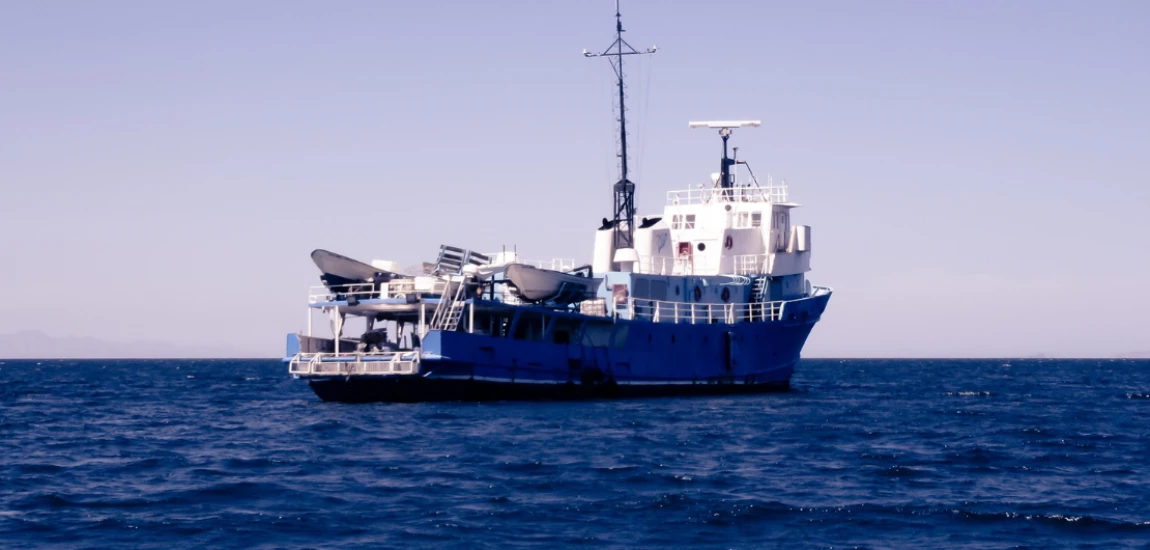
The maritime industry is entering a new era driven by artificial intelligence, automation, and advanced sensor technologies. As global trade expands and ocean traffic increases, traditional navigation systems are struggling to meet modern demands for safety, efficiency, and sustainability. Autonomous maritime intelligence systems and smart ocean navigation frameworks are emerging as transformative solutions to these challenges. These systems use AI, machine learning, satellite data, and real-time analytics to enable intelligent decision-making at sea. From autonomous ships to predictive route optimization, these technologies are reshaping how vessels navigate and operate across the world’s oceans. This blog explores the core components, applications, benefits, challenges, and future of intelligent maritime systems.
Understanding Autonomous Maritime Intelligence Systems

What Are Maritime Intelligence Systems
Autonomous maritime intelligence systems are advanced AI-powered platforms designed to enhance navigation, safety, and operational efficiency in marine environments. These systems integrate data from sensors, radar, sonar, satellites, and onboard instruments to provide real-time insights for ships and maritime operators. They enable vessels to operate with minimal human intervention by automating decision-making processes.
These systems are particularly valuable for autonomous ships, smart ports, and naval operations. By analyzing environmental conditions such as weather, ocean currents, and traffic density, they help vessels make safer and more efficient navigation decisions.
Evolution of Maritime Technology
Maritime navigation has evolved from manual compass-based systems to advanced GPS and satellite navigation. However, traditional systems still rely heavily on human decision-making. The introduction of AI and automation has revolutionized maritime operations by enabling predictive analytics and autonomous control.
Modern maritime intelligence systems leverage big data, IoT, and machine learning to improve accuracy and efficiency. This evolution is paving the way for fully autonomous shipping operations in the future.
Importance in Global Trade and Shipping
With over 80% of global trade conducted via sea routes, efficient maritime systems are essential. Autonomous maritime intelligence systems improve shipping efficiency, reduce operational costs, and enhance safety. They also help minimize environmental impact by optimizing fuel consumption and reducing emissions.
Smart Ocean Navigation Frameworks

What Are Smart Navigation Frameworks
Smart ocean navigation frameworks are AI-driven systems that assist vessels in determining optimal routes and making real-time navigation decisions. These frameworks analyze data from multiple sources, including weather forecasts, ocean currents, and maritime traffic systems.
They provide dynamic route adjustments to ensure safe and efficient travel, especially in unpredictable ocean conditions.
Role of Real-Time Data in Navigation
Real-time data is critical for smart navigation. Sensors and satellite systems continuously collect information about sea conditions, weather patterns, and vessel movements. AI algorithms process this data instantly to provide actionable navigation insights.
This allows ships to avoid hazards, reduce fuel consumption, and optimize travel time.
Benefits of Smart Navigation Systems
Smart navigation frameworks improve safety, reduce costs, and enhance operational efficiency. They help vessels avoid collisions, navigate through challenging weather conditions, and optimize fuel usage. These systems also contribute to environmental sustainability by reducing carbon emissions.
Core Technologies Behind Maritime Intelligence

Artificial Intelligence and Machine Learning
AI and machine learning are the foundation of autonomous maritime systems. These technologies enable predictive analytics, route optimization, and automated decision-making. They analyze vast amounts of maritime data to improve navigation accuracy and safety.
Machine learning models continuously learn from past voyages, improving their predictions over time.
Satellite and Sensor Technologies
Satellites and onboard sensors provide critical data for maritime systems. They monitor ocean conditions, vessel locations, and environmental factors. This data is essential for real-time navigation and decision-making.
Advanced radar and sonar systems also help detect obstacles and underwater hazards.
Internet of Things (IoT) Integration
IoT devices connect ships, ports, and maritime infrastructure, enabling seamless communication. This integration allows for real-time data sharing and coordination between vessels and control centers.
Applications of Autonomous Maritime Systems

Autonomous Ships and Vessels
One of the most significant applications of maritime intelligence systems is autonomous shipping. These vessels can navigate and operate with minimal human intervention, using AI to make real-time decisions.
Autonomous ships improve efficiency, reduce labor costs, and enhance safety.
Smart Ports and Logistics Management
Smart ports use AI to manage cargo handling, vessel scheduling, and port operations. This improves efficiency and reduces delays in shipping logistics.
These systems also enhance supply chain visibility and coordination.
Naval and Defense Operations
Maritime intelligence systems are also used in defense for surveillance, reconnaissance, and strategic planning. They help naval forces monitor sea activity and respond to potential threats.


Gary Arndt operates "Everything Everywhere," a blog focusing on worldwide travel. An award-winning photographer, Gary shares stunning visuals alongside his travel tales.
Gary Arndt
Prev Post

Next Post