
Autonomous Drone Intelligence Systems and Real-Time Aerial Surveillance Frameworks
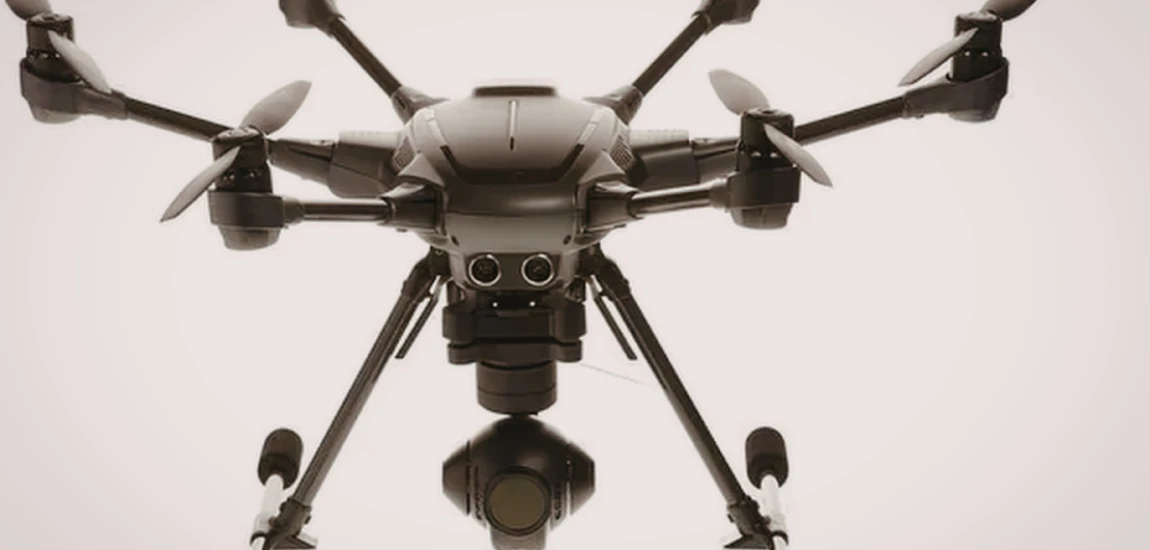
The rapid evolution of artificial intelligence and robotics has led to the emergence of autonomous drone intelligence systems, revolutionizing how aerial surveillance is conducted. Traditional surveillance methods often rely on manual monitoring, limited coverage, and delayed response times. In contrast, AI-powered drones equipped with real-time aerial surveillance frameworks provide faster, more accurate, and scalable monitoring solutions.
These intelligent drone systems are capable of autonomous navigation, real-time data analysis, and adaptive decision-making. By integrating technologies such as computer vision, machine learning, and IoT connectivity, drones can perform complex surveillance tasks with minimal human intervention. From security monitoring to disaster management, the applications of these systems are vast and continuously expanding.
Real-time aerial surveillance frameworks enable drones to process and transmit data instantly, allowing organizations to respond quickly to dynamic situations. As industries increasingly adopt automation, autonomous drone systems are becoming a critical component of modern surveillance strategies.
Understanding Autonomous Drone Intelligence Systems

Core Concept of Autonomous Drone Technology
Autonomous drone intelligence systems are designed to operate independently using advanced AI algorithms and onboard sensors. These drones can navigate complex environments, avoid obstacles, and perform tasks without human control. By leveraging machine learning models, drones continuously improve their performance based on real-world data.
The core idea behind these systems is to create self-sufficient aerial platforms capable of executing missions with precision and efficiency. This autonomy reduces the need for manual intervention and enables drones to operate in challenging or hazardous environments.
Role of Real-Time Aerial Surveillance Frameworks
Real-time aerial surveillance frameworks provide the infrastructure needed for drones to collect, process, and transmit data instantly. These frameworks integrate communication networks, data processing systems, and analytics tools to ensure seamless operation.
By enabling real-time insights, these frameworks allow organizations to monitor situations as they unfold and make informed decisions بسرعة. This capability is particularly valuable in time-sensitive scenarios such as emergency response and security monitoring.
Key Components of Drone Intelligence Systems
Autonomous drone systems consist of several key components, including sensors, cameras, navigation systems, and AI processors. Sensors collect environmental data, while cameras capture high-resolution images and videos. Navigation systems ensure accurate movement, and AI processors analyze data to generate actionable insights.
These components work together to create a robust system capable of handling complex surveillance tasks efficiently.
Key Features of Real-Time Aerial Surveillance Frameworks

Advanced Computer Vision and Image Processing
One of the most important features of autonomous drone systems is their ability to analyze visual data using computer vision. These systems can detect objects, recognize patterns, and identify anomalies in real time.
Advanced image processing techniques enable drones to provide accurate and detailed insights, making them highly effective for surveillance applications.
Real-Time Data Transmission and Analytics
Real-time aerial surveillance frameworks allow drones to transmit data instantly to control centers or cloud platforms. This ensures that decision-makers have access to up-to-date information.
Real-time analytics further enhance this capability by processing data on the fly, enabling immediate action and reducing response times.
Autonomous Navigation and Path Optimization
Autonomous drones use AI algorithms to plan and optimize their flight paths. They can adapt to changing conditions, avoid obstacles, and complete missions efficiently.
This level of autonomy improves operational efficiency and reduces the risk of errors.
Applications of Autonomous Drone Intelligence Systems

Security and Surveillance Operations
Autonomous drones are widely used in security and surveillance to monitor large areas efficiently. They can patrol perimeters, detect intrusions, and provide real-time alerts.
This enhances security measures and reduces the need for human personnel in high-risk areas.
Disaster Management and Emergency Response
In disaster scenarios, drones provide critical support by assessing damage, locating survivors, and delivering supplies. Their ability to operate in hazardous environments makes them invaluable for emergency response.
Real-time data from drones helps authorities make informed decisions and coordinate rescue efforts effectively.
Agriculture and Environmental Monitoring
Drones are also used in agriculture and environmental monitoring to collect data on crop health, soil conditions, and wildlife activity. This enables farmers and researchers to optimize resources and improve productivity.
Advantages of Autonomous Drone Systems

Enhanced Efficiency and Coverage
Autonomous drones can cover large areas بسرعة and efficiently, providing comprehensive surveillance. This reduces the need for manual monitoring and improves operational efficiency.
Cost-Effective Operations
By automating surveillance tasks, drones reduce labor costs and minimize resource usage. This makes them a cost-effective solution for various industries.
Improved Accuracy and Decision-Making
AI-powered drones provide accurate data and insights, enabling better decision-making. This improves outcomes in applications such as security, disaster management, and agriculture.


Operating "The Blonde Abroad," Kiersten Rich specializes in solo female travel. Her blog provides destination guides, packing tips, and travel resources.
Kiersten Rich

Prev Post

Next Post