
Autonomous Drone Ecosystems and the Future of Intelligent Aerial Infrastructure
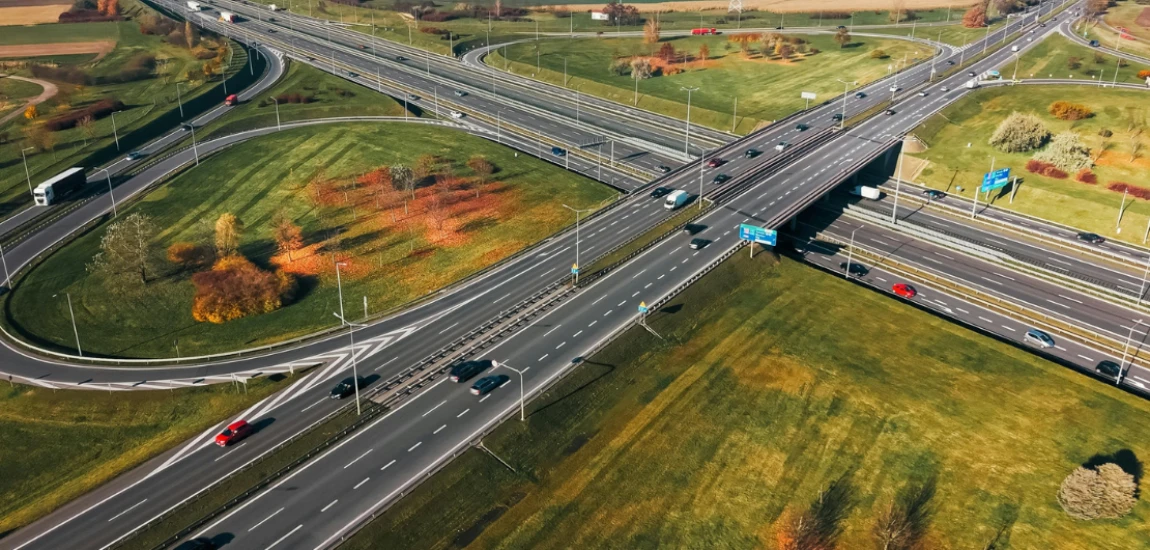
Drone technology has advanced rapidly over the last decade, evolving from remotely controlled flying devices into intelligent autonomous systems capable of making decisions without constant human supervision. Modern drones are equipped with artificial intelligence, advanced sensors, GPS navigation, computer vision, and real-time communication technologies that allow them to complete complex missions with remarkable accuracy. Rather than operating as individual units, today's drones are increasingly becoming part of interconnected ecosystems where multiple aerial vehicles communicate, coordinate, and collaborate to accomplish shared objectives.
An autonomous drone ecosystem combines several intelligent technologies, including artificial intelligence, cloud computing, edge computing, wireless communication, and machine learning, to create highly efficient aerial networks. These connected drones exchange information continuously, optimize flight routes, avoid obstacles, monitor changing environments, and automatically distribute tasks among themselves. This collaborative approach improves operational efficiency while reducing costs, increasing safety, and minimizing human intervention.
As governments and industries continue investing in digital transformation, autonomous drone ecosystems are becoming an essential component of intelligent aerial infrastructure. They are improving supply chain management, supporting disaster relief operations, monitoring agricultural fields, inspecting critical infrastructure, and assisting environmental conservation efforts. Continued innovation in AI, battery technology, and next-generation communication networks will further accelerate the adoption of autonomous drone systems, making them an important part of the future smart economy.
Understanding Autonomous Drone Ecosystems

What Are Autonomous Drone Ecosystems?
Autonomous drone ecosystems are intelligent networks of unmanned aerial vehicles (UAVs) that work together to perform tasks with little or no direct human control. Unlike conventional drones that depend on remote pilots for navigation, autonomous drones rely on artificial intelligence, onboard sensors, and advanced navigation software to make independent decisions. These drones continuously communicate with one another, share operational data, and coordinate their movements to complete missions more efficiently. By functioning as a connected ecosystem instead of isolated machines, autonomous drones provide greater flexibility, reliability, and scalability across a wide variety of commercial, industrial, and public-sector applications.
Core Components of an Intelligent Drone Network
A successful autonomous drone ecosystem depends on multiple advanced technologies working together. Artificial intelligence enables decision-making, machine learning improves flight performance through experience, and computer vision allows drones to recognize obstacles and surrounding objects. GPS navigation, LiDAR, radar, thermal cameras, and environmental sensors provide accurate positioning and situational awareness. Cloud computing stores and analyzes operational data, while edge computing supports real-time processing directly on the drone. These technologies create highly responsive systems capable of adapting to changing environmental conditions while maintaining safe and efficient aerial operations.
How Collaborative Drone Networks Operate
Collaborative drone ecosystems function through continuous communication between connected aerial vehicles. Each drone gathers environmental information, monitors its flight status, and exchanges data with nearby drones using secure wireless communication networks. Artificial intelligence analyzes this shared information to assign tasks, optimize flight paths, prevent collisions, and coordinate group behavior. If one drone experiences technical difficulties or low battery power, neighboring drones automatically adjust their responsibilities to ensure mission continuity. This decentralized coordination makes autonomous drone ecosystems highly resilient, efficient, and capable of handling complex operations across large geographical areas.
Technologies Driving Intelligent Aerial Infrastructure

Artificial Intelligence and Machine Learning
Artificial intelligence serves as the decision-making engine behind autonomous drone ecosystems. AI algorithms process enormous amounts of sensor data in real time, enabling drones to recognize objects, identify obstacles, monitor environmental conditions, and make intelligent navigation decisions. Machine learning continuously improves drone performance by analyzing previous missions and adapting flight strategies for greater efficiency. As drones gain experience, they become increasingly capable of handling complex aerial operations with minimal human supervision, improving both productivity and operational safety.
Advanced Sensors, Navigation, and Computer Vision
Modern autonomous drones rely on sophisticated sensing technologies to navigate accurately and safely. High-resolution cameras, LiDAR systems, ultrasonic sensors, radar, infrared imaging, and GPS receivers provide detailed information about surrounding environments. Computer vision algorithms analyze this information to recognize buildings, roads, vegetation, power lines, vehicles, and people while avoiding collisions with obstacles. These technologies allow drones to fly safely in complex environments, inspect infrastructure, monitor agricultural fields, and collect highly accurate aerial data for real-time analysis.
Cloud Computing, Edge Computing, and High-Speed Connectivity
Cloud computing enables drone ecosystems to store, process, and analyze massive amounts of operational data collected during flight missions. Edge computing complements cloud services by processing critical information directly on the drone, reducing communication delays and improving response times. High-speed communication technologies such as 5G and future wireless networks enable drones to exchange information almost instantly, supporting synchronized operations across large fleets. Together, these technologies create intelligent aerial infrastructure capable of delivering reliable, scalable, and highly efficient autonomous flight operations for a wide range of industries.
Applications of Autonomous Drone Ecosystems Across Modern Industries

Logistics and Smart Delivery Services
Autonomous drone ecosystems are transforming logistics by making deliveries faster, safer, and more efficient. Instead of relying on a single drone, multiple autonomous drones can work together to transport packages, medical supplies, and essential goods across different locations. Artificial intelligence continuously analyzes traffic conditions, weather patterns, battery levels, and delivery priorities to determine the most efficient flight routes. This reduces delivery times while lowering fuel consumption and operational costs. In remote villages and disaster-affected areas where traditional transportation is limited, drone ecosystems can deliver food, medicines, and emergency equipment quickly. As urban air mobility continues to develop, collaborative drone fleets are expected to become an important part of smart logistics and future supply chain management.
Agriculture, Environmental Monitoring, and Resource Management
The agricultural sector is rapidly adopting autonomous drone ecosystems to improve productivity and sustainability. Intelligent drones equipped with multispectral cameras, thermal imaging systems, and environmental sensors monitor crop health, detect diseases, identify pest infestations, and analyze soil moisture with exceptional precision. Farmers receive real-time insights that help optimize irrigation, fertilizer application, and harvesting schedules, resulting in higher crop yields and lower operating costs. Beyond agriculture, drone ecosystems also support environmental conservation by monitoring forests, rivers, oceans, and wildlife habitats. They can identify illegal deforestation, monitor air pollution, assess flood risks, and track climate-related changes across large geographical areas. These capabilities enable governments, environmental organizations, and researchers to make informed decisions while protecting natural resources more effectively.
Infrastructure Inspection and Emergency Response
Autonomous drone ecosystems are becoming essential tools for inspecting critical infrastructure such as bridges, highways, railways, power transmission lines, wind turbines, oil pipelines, and communication towers. Equipped with high-resolution cameras and advanced sensors, drones can detect structural damage, corrosion, leaks, and maintenance issues without exposing workers to dangerous environments. During natural disasters including earthquakes, floods, hurricanes, and wildfires, coordinated drone fleets provide real-time aerial surveillance, locate missing individuals, assess damage, and deliver emergency supplies to inaccessible areas. Their ability to rapidly collect and share information significantly improves disaster response, reduces risks for rescue teams, and supports faster recovery efforts.
Benefits and Challenges of Intelligent Aerial Infrastructure

Advantages of Autonomous Drone Ecosystems
Autonomous drone ecosystems provide numerous advantages that make them valuable across a wide range of industries. Their ability to operate with minimal human intervention increases efficiency while reducing labor costs and operational risks. Multiple drones can collaborate simultaneously, allowing large-scale inspections, monitoring missions, and delivery operations to be completed much faster than traditional methods. Artificial intelligence improves navigation accuracy, obstacle avoidance, and mission planning, resulting in safer and more reliable operations. These intelligent systems also generate high-quality real-time data that supports better decision-making, predictive maintenance, and resource management. As organizations continue adopting digital technologies, autonomous drone ecosystems are expected to become a key component of intelligent infrastructure worldwide.
Technical, Regulatory, and Security Challenges
Despite their remarkable capabilities, autonomous drone ecosystems still face several important challenges. Battery capacity continues to limit flight duration, particularly during long-distance missions or heavy payload operations. Weather conditions such as strong winds, rain, and fog can affect navigation accuracy and sensor performance. Reliable wireless communication is essential for coordinating multiple drones, making network interruptions a potential concern. Governments must also establish comprehensive regulations covering airspace management, operational safety, privacy protection, and drone certification. Cybersecurity is equally important because protecting autonomous drone networks from hacking, data theft, and unauthorized control is essential for maintaining safe and trustworthy aerial operations.
Future Trends and Emerging Opportunities
The future of autonomous drone ecosystems will be shaped by continued advancements in artificial intelligence, edge computing, next-generation batteries, computer vision, and high-speed communication technologies such as 6G. Future drone fleets will become increasingly autonomous, capable of coordinating complex missions with little or no human supervision. They are expected to support smart cities through traffic monitoring, infrastructure maintenance, environmental protection, public safety, and emergency response. Emerging applications may also include autonomous passenger transportation, offshore energy inspection, precision construction, and even planetary exploration. As technological innovation continues, intelligent aerial infrastructure will become an essential foundation for connected digital societies, enabling safer, more efficient, and more sustainable operations across countless industries.


Kate McCulley, the voice behind "Adventurous Kate," provides travel advice tailored for women. Her blog encourages safe and adventurous travel for female readers.
Kate McCulley

Prev Post

Next Post