
Autonomous Digital Twin Ecosystems and the Evolution of Real-Time Smart Cities
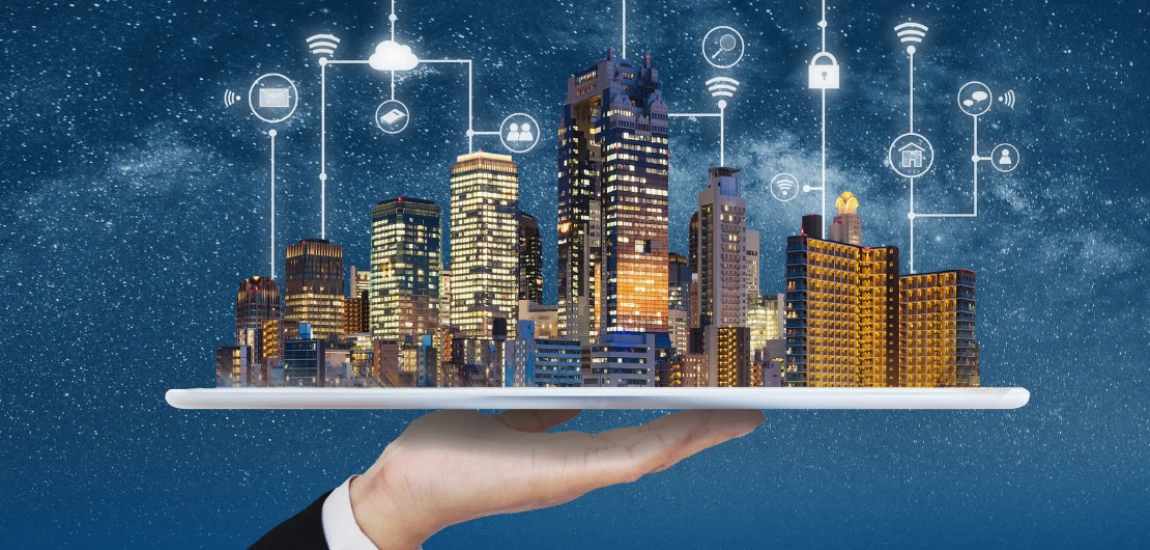
Cities around the world are expanding rapidly, bringing new opportunities alongside increasingly complex challenges. Urban populations continue to grow, placing enormous pressure on transportation systems, energy infrastructure, healthcare, housing, waste management, and environmental sustainability. Traditional city management methods often rely on historical data and reactive decision-making, making it difficult to respond quickly to changing urban conditions. To address these challenges, cities are embracing advanced digital technologies that provide real-time insights and intelligent automation.
One of the most transformative innovations driving this evolution is the Autonomous Digital Twin Ecosystem. A digital twin is a virtual representation of a physical object, process, or environment that continuously updates itself using real-time data collected from sensors, connected devices, and intelligent systems. When artificial intelligence, machine learning, edge computing, cloud platforms, and Internet of Things (IoT) technologies are integrated into these digital twins, they evolve into autonomous ecosystems capable of monitoring, analyzing, predicting, and even making decisions without constant human intervention.
These intelligent ecosystems create dynamic virtual models of entire cities, including roads, buildings, transportation networks, utilities, environmental systems, and public services. By continuously synchronizing with real-world conditions, they allow city planners, government agencies, and businesses to simulate scenarios, optimize operations, prevent infrastructure failures, and improve citizen services. As technology continues to mature, Autonomous Digital Twin Ecosystems are expected to become the foundation of next-generation smart cities, creating safer, greener, and more resilient urban environments.
Understanding Autonomous Digital Twin Ecosystems

From Digital Models to Intelligent Living Systems
Traditional digital twins were initially developed to monitor individual machines, industrial equipment, or manufacturing processes. These systems mirrored physical assets by collecting operational data and displaying their current conditions. While valuable, early digital twins primarily served as monitoring tools and required human intervention to analyze information and make decisions.
Autonomous Digital Twin Ecosystems represent a significant evolution beyond these basic digital replicas. They combine thousands or even millions of interconnected digital twins across transportation systems, power grids, public buildings, healthcare facilities, communication networks, and environmental monitoring stations. Artificial intelligence continuously analyzes incoming data, identifies emerging patterns, predicts future events, and automatically recommends or executes optimal responses.
Instead of functioning as isolated simulations, these ecosystems become intelligent digital environments that learn from every interaction. As more data becomes available, machine learning models improve forecasting accuracy, enabling cities to anticipate infrastructure failures, optimize public services, and respond proactively to changing urban conditions.
The Role of Continuous Real-Time Synchronization
The effectiveness of an Autonomous Digital Twin Ecosystem depends on its ability to maintain constant synchronization with the physical city. Millions of IoT sensors embedded throughout urban infrastructure collect information about traffic flow, energy consumption, air quality, weather conditions, water distribution, public transportation, and building performance.
This continuous stream of information updates the digital twin in real time, ensuring that virtual models accurately reflect current city conditions. Unlike traditional planning tools that rely on periodic updates, autonomous digital twins evolve every second as new information becomes available.
For example, if traffic congestion begins forming due to an accident, the digital twin immediately detects changes through traffic cameras, connected vehicles, GPS data, and roadway sensors. AI algorithms evaluate alternative traffic routes, adjust smart traffic signals, notify emergency services, and provide updated navigation guidance before congestion spreads across the city.
Creating Self-Optimizing Urban Environments
Perhaps the most revolutionary aspect of Autonomous Digital Twin Ecosystems is their ability to optimize city operations with minimal human intervention. AI continuously evaluates thousands of variables simultaneously, identifying opportunities to improve efficiency while reducing operational costs.
Smart buildings automatically regulate heating, cooling, and lighting based on occupancy and weather conditions. Electrical grids balance renewable energy production with real-time demand. Public transportation systems dynamically adjust schedules according to passenger volumes. Water utilities detect leaks before they become major failures, while waste management systems optimize collection routes based on sensor data.
Rather than reacting to problems after they occur, autonomous ecosystems predict issues in advance and implement corrective actions proactively. This shift from reactive management to predictive optimization enables cities to operate more efficiently while improving quality of life for residents.
Core Technologies Driving Real-Time Smart Cities

Artificial Intelligence and Machine Learning
Artificial intelligence serves as the decision-making engine within Autonomous Digital Twin Ecosystems. Every connected device, sensor, and infrastructure component generates enormous volumes of information every second. Without AI, analyzing this data in real time would be nearly impossible.
Machine learning algorithms continuously process traffic patterns, energy usage, weather forecasts, public transportation activity, environmental conditions, emergency response data, and citizen interactions. These algorithms recognize trends, detect anomalies, forecast future conditions, and recommend optimal solutions based on historical and real-time information.
For instance, AI can predict electricity demand several hours in advance by analyzing weather forecasts, historical consumption patterns, and major public events. Utility operators can then distribute energy more efficiently while reducing operating costs and minimizing power outages.
Internet of Things and Edge Computing
The Internet of Things provides the sensing infrastructure that keeps digital twins continuously updated. Millions of connected sensors installed throughout a city monitor roads, bridges, public transit, utilities, buildings, environmental conditions, parking facilities, and public spaces.
Edge computing complements IoT by processing data close to where it is generated instead of sending everything to centralized cloud servers. This significantly reduces latency and enables immediate responses during critical situations.
For example, autonomous traffic intersections equipped with edge computing can instantly adjust signal timing when emergency vehicles approach. Environmental sensors can detect hazardous air pollution levels and immediately activate public warning systems. Smart water infrastructure can isolate damaged pipelines within seconds after detecting abnormal pressure changes, preventing widespread service disruptions.
Cloud Computing, Big Data, and Predictive Analytics
While edge computing handles immediate decision-making, cloud computing provides the large-scale processing power required for long-term urban planning and strategic analysis. Massive amounts of information generated by Autonomous Digital Twin Ecosystems are securely stored and analyzed within cloud platforms.
Big data analytics allows city administrators to evaluate years of historical information alongside current conditions. Predictive analytics identifies future infrastructure maintenance needs, estimates population growth, forecasts transportation demand, and evaluates climate resilience strategies.
Urban planners can simulate the impact of constructing new highways, expanding public transportation, introducing renewable energy systems, or redesigning neighborhoods before making expensive investments. These virtual simulations reduce uncertainty while enabling evidence-based policy decisions that improve sustainability and long-term city development.
Applications of Autonomous Digital Twin Ecosystems in Smart Cities

Intelligent Transportation and Mobility Management
Transportation is one of the most complex systems within any modern city. Congestion, accidents, road maintenance, public transportation delays, and increasing numbers of connected vehicles create continuous operational challenges. Autonomous Digital Twin Ecosystems provide city planners with a living digital representation of the entire transportation network, allowing them to monitor and optimize mobility in real time.
Traffic cameras, GPS-enabled vehicles, IoT road sensors, connected traffic lights, weather stations, and public transit systems continuously feed information into the digital twin. Artificial intelligence analyzes this data to predict congestion before it develops, optimize traffic signal timing, recommend alternative routes, and coordinate emergency vehicle movement.
Public transportation also becomes more efficient through autonomous digital twins. Buses and trains can automatically adjust schedules according to passenger demand, while predictive analytics identify maintenance requirements before mechanical failures occur. Autonomous vehicles can communicate with digital twins to receive updated navigation instructions, improving road safety while reducing travel times.
As urban populations continue to grow, intelligent transportation supported by Autonomous Digital Twin Ecosystems will help reduce emissions, improve commuter experiences, and create safer, more sustainable mobility networks.
Smart Infrastructure and Utility Management
Modern cities depend on highly interconnected infrastructure, including power grids, water distribution systems, telecommunications, bridges, tunnels, and public buildings. Maintaining these assets efficiently requires continuous monitoring and proactive maintenance.
Autonomous Digital Twin Ecosystems allow engineers to observe the condition of infrastructure in real time. Sensors detect structural stress, water leaks, electrical faults, equipment vibration, and environmental conditions that may affect long-term performance. Artificial intelligence evaluates this information and predicts failures before they occur.
Electric utilities benefit from intelligent energy balancing that integrates renewable energy sources such as solar and wind while maintaining grid stability. Water utilities detect underground pipeline leaks before they cause major damage. Public buildings automatically regulate heating, cooling, lighting, and ventilation to improve energy efficiency and occupant comfort.
Predictive maintenance reduces repair costs, extends infrastructure lifespan, minimizes service disruptions, and improves public safety while allowing cities to allocate maintenance resources more effectively.
Environmental Monitoring and Public Safety
Protecting urban environments requires accurate, continuous monitoring of air quality, water quality, weather conditions, noise pollution, and public health risks. Autonomous Digital Twin Ecosystems integrate environmental sensors with AI-powered analytics to create comprehensive environmental intelligence.
Cities can identify pollution hotspots, monitor flood risks, forecast extreme weather events, and track greenhouse gas emissions in real time. Emergency services receive early warnings about hazardous conditions, allowing faster responses to natural disasters and industrial accidents.
Public safety agencies also benefit from predictive crime analysis, intelligent surveillance systems, emergency evacuation simulations, and optimized disaster response planning. By continuously updating digital models with real-world data, cities become better prepared to protect both residents and critical infrastructure.
Benefits of Real-Time Smart Cities Powered by Digital Twins

Enhanced Decision-Making Through Real-Time Intelligence
Traditional urban planning often relies on historical reports and delayed information. Autonomous Digital Twin Ecosystems replace this reactive approach with continuous situational awareness. Decision-makers gain access to accurate, real-time insights that support faster and more informed choices.
City administrators can evaluate the immediate effects of policy decisions, infrastructure projects, and emergency responses using continuously updated simulations. AI-generated recommendations reduce uncertainty while helping governments allocate resources more effectively.
Real-time intelligence also supports collaboration among transportation agencies, emergency responders, healthcare providers, utility operators, and environmental organizations. Shared digital platforms encourage coordinated decision-making that improves operational efficiency across multiple departments.
Improved Sustainability and Resource Efficiency
Sustainability remains one of the primary goals of future smart cities. Autonomous Digital Twin Ecosystems help reduce waste and optimize resource consumption by continuously analyzing energy use, water distribution, transportation efficiency, and environmental conditions.
Smart energy systems automatically balance electricity demand with renewable energy generation. Water management platforms identify leaks, monitor consumption, and optimize distribution networks. Intelligent waste management systems schedule collection routes based on real-time fill levels rather than fixed schedules.
These improvements lower greenhouse gas emissions, reduce operating expenses, conserve natural resources, and contribute to healthier urban environments. By integrating sustainability into daily city operations, digital twin ecosystems support long-term environmental resilience.
Better Citizen Experiences and Urban Services
Residents directly benefit from smarter city services enabled by Autonomous Digital Twin Ecosystems. Reduced traffic congestion shortens commuting times, while optimized public transportation improves accessibility. Faster emergency response enhances public safety, and predictive maintenance minimizes service interruptions affecting roads, utilities, and public facilities.
Citizens also receive more personalized digital services through mobile applications connected to the city's digital twin. Real-time notifications about traffic conditions, public transportation schedules, weather alerts, environmental quality, and community events improve daily life while increasing public engagement.
As cities become increasingly connected, these intelligent ecosystems create more convenient, efficient, and livable urban environments.


Gilbert Ott, the man behind "God Save the Points," specializes in travel deals and luxury travel. He provides expert advice on utilizing rewards and finding travel discounts.
Gilbert Ott
Prev Post

Next Post