
Autonomous Deep Space Mining Swarm Systems and Interplanetary Resource Extraction Coordination Networks
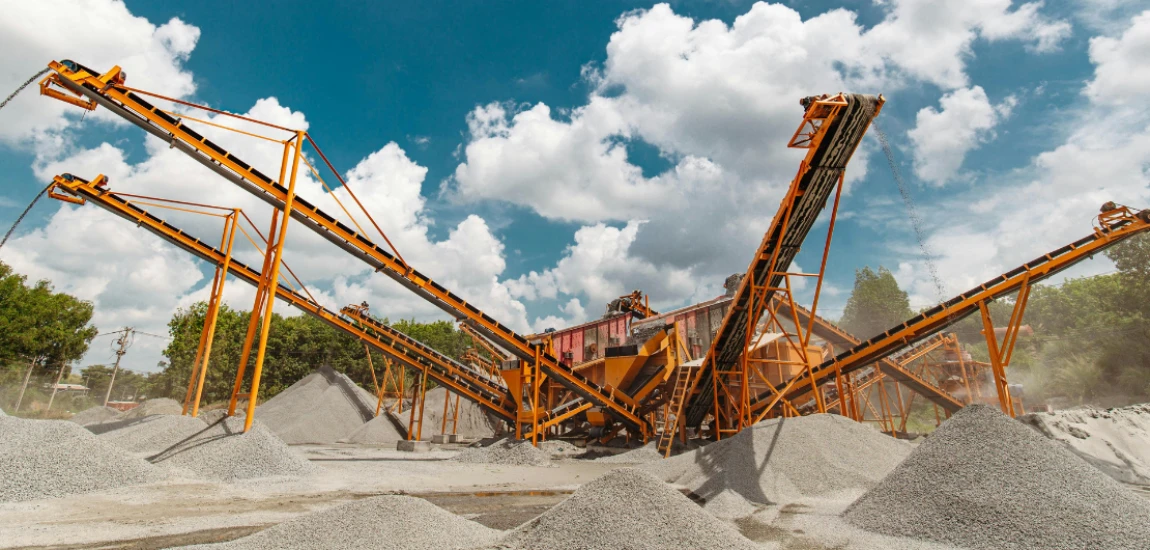
The future of space exploration is no longer limited to scientific discovery alone. Governments, private aerospace companies, and advanced research organizations are increasingly focused on extracting valuable extraterrestrial resources from asteroids, moons, and planetary surfaces. Autonomous deep space mining swarm systems are emerging as one of the most revolutionary technologies supporting this vision.
These intelligent systems combine artificial intelligence, autonomous robotics, swarm coordination algorithms, cloud-based mission control, and interplanetary communication networks to perform large-scale mining operations in extreme space environments. Instead of relying on a single spacecraft or robotic unit, swarm systems deploy multiple autonomous robots capable of working together collaboratively.
Interplanetary resource extraction coordination networks allow these robotic swarms to communicate, adapt, and optimize mining operations across vast distances in space. From harvesting rare minerals and water ice to supporting deep-space colonization, autonomous mining systems could play a critical role in building the future space economy.
As the demand for rare earth elements and sustainable energy resources continues to grow on Earth, deep space mining may become one of humanity’s most valuable technological advancements in the coming decades.
Understanding Autonomous Deep Space Mining Swarm Systems

Autonomous deep space mining swarm systems are advanced robotic ecosystems designed to operate independently in outer space environments. These systems use multiple interconnected robotic units that collaborate using artificial intelligence and distributed communication architectures.
Swarm Robotics in Space Operations
Swarm robotics is inspired by the collective behavior of insects such as ants and bees. In space mining operations, robotic swarms work together to perform excavation, transportation, material analysis, and infrastructure maintenance tasks.
Unlike traditional robotic missions that rely on centralized control systems, swarm robots make decentralized decisions using AI-driven coordination algorithms. This allows mining operations to continue even if some robots fail or lose communication.
The flexibility of swarm systems also enables rapid adaptation to unpredictable extraterrestrial environments. Robots can reorganize themselves based on terrain conditions, mission priorities, and resource availability.
Swarm intelligence significantly improves operational efficiency by distributing workloads among multiple autonomous units instead of relying on a single high-risk mining machine.
Artificial Intelligence and Autonomous Decision-Making
Artificial intelligence is the foundation of autonomous deep space mining systems. AI-powered algorithms analyze environmental conditions, mineral compositions, and system performance in real time.
Machine learning models allow mining robots to improve excavation techniques, optimize energy consumption, and identify high-value resource deposits with greater precision.
Autonomous navigation systems help robotic swarms avoid obstacles, coordinate movement patterns, and maintain stable operations in low-gravity environments.
Advanced AI systems also support predictive maintenance by detecting equipment failures before they become mission-threatening problems.
Importance of Deep Space Resource Extraction
Deep space contains vast quantities of valuable materials including platinum-group metals, rare earth minerals, water ice, and helium-3. These resources could support both Earth-based industries and future interplanetary colonies.
Water extracted from asteroids or lunar surfaces can be converted into oxygen and hydrogen fuel for long-duration space missions. Rare minerals harvested from asteroids may reduce Earth’s dependence on environmentally damaging mining practices.
Autonomous mining technologies make large-scale extraterrestrial resource extraction economically feasible by reducing the need for constant human supervision.
Core Technologies Behind Interplanetary Mining Coordination Networks

Interplanetary resource extraction coordination networks rely on several advanced technologies working together to ensure efficient and reliable deep space mining operations.
Interplanetary Communication Infrastructure
Communication across deep space presents major technical challenges due to extreme distances and signal delays. Autonomous mining systems require highly reliable communication architectures capable of operating independently for extended periods.
Laser-based communication systems, satellite relay networks, and AI-driven signal optimization technologies are improving deep space data transmission efficiency.
These communication networks allow mining swarms to share operational data, synchronize excavation activities, and coordinate resource transportation across multiple locations.
Low-latency edge computing systems also reduce reliance on Earth-based control centers by processing mission-critical data locally within mining environments.
Autonomous Navigation and Mapping Systems
Mining operations on asteroids and distant planetary bodies require accurate terrain analysis and navigation systems. AI-powered mapping technologies use sensors, radar imaging, and computer vision systems to create detailed environmental models.
Autonomous navigation algorithms help robotic swarms identify stable landing zones, mineral-rich regions, and hazardous terrain features.
Real-time environmental analysis allows mining systems to adapt to changing conditions such as dust storms, surface instability, and gravitational variations.
These navigation systems are essential for ensuring operational safety and maximizing mining efficiency in unpredictable extraterrestrial environments.
Energy Management and Power Optimization
Energy efficiency is critical for deep space mining missions because power generation opportunities are limited in distant space environments.
Solar arrays, nuclear-powered energy systems, and wireless energy transfer technologies are being developed to support autonomous mining infrastructures.
AI-driven energy management systems monitor power consumption, optimize operational schedules, and prioritize essential mission activities during energy shortages.
Future mining swarms may use self-repairing energy systems capable of automatically replacing damaged components and maintaining uninterrupted operations.
Applications of Autonomous Space Mining Systems

Autonomous deep space mining technologies have the potential to transform multiple industries by providing access to valuable extraterrestrial resources.
Asteroid Mining and Rare Mineral Extraction
Asteroids contain enormous quantities of rare metals including platinum, cobalt, nickel, and gold. These materials are essential for electronics manufacturing, renewable energy technologies, and advanced industrial systems.
Autonomous robotic swarms can identify mineral-rich asteroids, extract resources, and transport raw materials to processing stations without requiring direct human intervention.
AI-powered mining algorithms improve extraction efficiency by analyzing geological compositions and selecting optimal excavation techniques.
Asteroid mining could significantly reduce supply chain limitations affecting global technology industries.
Lunar Resource Harvesting
The Moon is considered one of the most promising locations for future space mining operations. Lunar soil contains valuable resources including helium-3, titanium, aluminum, and water ice.
Water extracted from lunar polar regions could support sustainable human settlements and provide rocket fuel for deep space missions.
Autonomous mining systems may eventually construct lunar infrastructure using locally sourced materials through robotic manufacturing technologies.
These developments could serve as a foundation for long-term interplanetary exploration programs.
Supporting Mars Colonization Missions
Future Mars colonization efforts will require extensive local resource utilization to reduce dependence on Earth-based supply chains.
Autonomous mining swarms can extract water, metals, and construction materials needed to build habitats, fuel systems, and industrial infrastructure on Mars.
AI-driven resource coordination networks can optimize mining logistics, energy distribution, and material processing operations in harsh Martian conditions.
This capability will be essential for creating sustainable human settlements on distant planetary bodies.
Challenges Facing Deep Space Mining Coordination Systems

Despite their enormous potential, autonomous deep space mining systems face several technical, operational, and ethical challenges.
Extreme Environmental Conditions
Space mining operations must function in highly hostile environments characterized by radiation exposure, temperature extremes, and microgravity conditions.
Dust accumulation, equipment degradation, and unpredictable terrain features can significantly affect robotic performance.
Mining systems require durable materials, radiation-resistant electronics, and adaptive AI models capable of handling environmental uncertainty.
Developing reliable long-duration robotic systems remains one of the biggest challenges in extraterrestrial mining.
Cybersecurity and System Reliability
Autonomous mining networks depend heavily on digital communication systems and AI-driven coordination platforms. These systems may become targets for cyberattacks, signal interference, or operational sabotage.
Protecting mining infrastructures from unauthorized access is critical for maintaining mission integrity and operational safety.
AI-powered cybersecurity systems can detect anomalies, isolate compromised components, and respond to threats automatically.
Reliable backup systems and decentralized architectures are also essential for preventing catastrophic mission failures.
Legal and Ethical Concerns
Space mining raises complex legal and ethical questions regarding ownership rights, environmental protection, and international regulation.
Current international treaties governing outer space activities provide limited guidance on commercial extraterrestrial resource extraction.
Governments and global organizations may eventually establish regulatory frameworks addressing mining rights, resource distribution, and environmental preservation standards.
Ethical concerns surrounding monopolization of extraterrestrial resources must also be carefully considered.


Derek Baron, also known as "Wandering Earl," offers an authentic look at long-term travel. His blog contains travel stories, tips, and the realities of a nomadic lifestyle.
Derek Baron

Prev Post

Next Post