
AI-Driven Neural Cloud Integration Systems and Brain-to-Internet Direct Communication Architectures
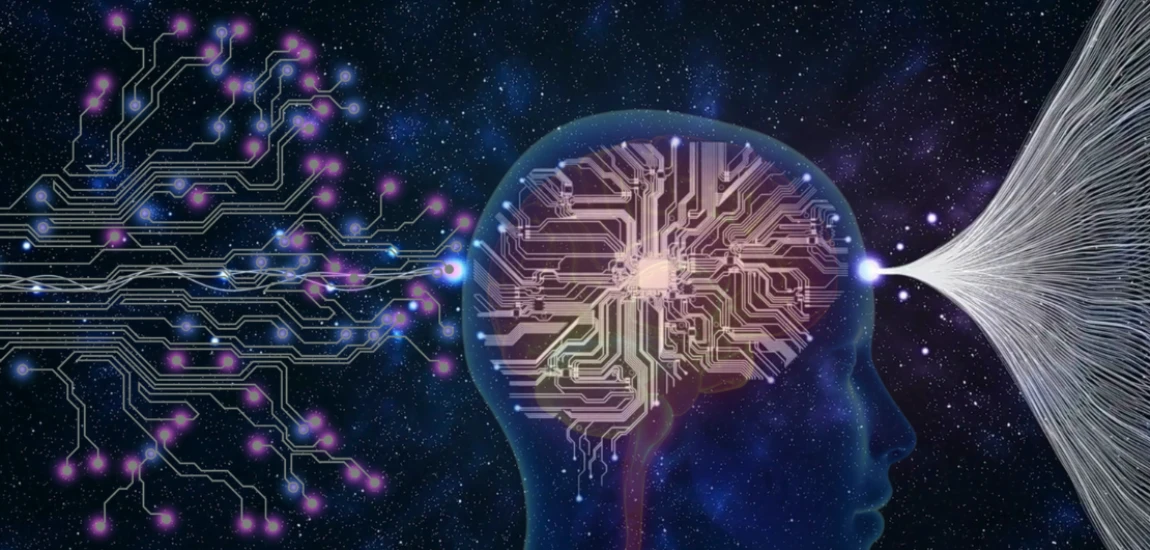
The rapid evolution of artificial intelligence and neural computing is changing the future of digital communication. Traditional interfaces such as keyboards, touchscreens, and voice commands are gradually being complemented by advanced brain-computer interaction systems. AI-driven neural cloud integration systems represent a transformative technological frontier where human thoughts can interact directly with cloud networks and internet-based infrastructures.
Brain-to-internet direct communication architectures use neural interfaces, machine learning algorithms, and cloud-based processing systems to create seamless communication channels between the brain and digital platforms. These systems are expected to revolutionize healthcare, education, gaming, defense, industrial automation, and human productivity.
As AI continues to evolve, neural cloud ecosystems may become essential for cognitive enhancement, intelligent automation, and real-time digital interaction. Understanding the technologies behind these systems is critical for businesses, researchers, and technology enthusiasts preparing for the next wave of intelligent computing.
Understanding AI-Driven Neural Cloud Integration Systems

AI-driven neural cloud integration systems combine brain-computer interfaces, cloud computing, and artificial intelligence into a unified communication ecosystem. These systems enable neural signals from the human brain to be captured, processed, interpreted, and transmitted through intelligent cloud infrastructures.
Brain-Computer Interface Technologies
Brain-computer interfaces (BCIs) act as communication bridges between neural activity and digital systems. Sensors implanted in or attached to the human brain collect neural data and convert electrical brain signals into machine-readable information.
Modern BCIs rely heavily on AI algorithms for signal interpretation. Neural activity patterns are highly complex and dynamic, requiring machine learning systems to continuously improve signal accuracy and interpretation capabilities. Deep learning models help identify user intentions, emotional states, and cognitive commands with increasing precision.
These interfaces can be invasive, semi-invasive, or non-invasive depending on their design. Non-invasive wearable neural devices are gaining popularity because they offer safer and more accessible solutions for consumer applications.
Cloud-Based Neural Processing
Cloud computing plays a major role in neural communication systems because neural data processing requires massive computational resources. Cloud platforms provide scalable processing power capable of handling real-time neural signal analysis and cognitive data management.
Neural cloud integration enables remote storage, synchronization, and AI-driven interpretation of neural information. Instead of relying entirely on local devices, advanced systems distribute workloads across cloud infrastructures to improve speed and efficiency.
This architecture also supports collaborative neural networks where multiple users may interact within shared digital environments using thought-controlled interfaces.
Role of Artificial Intelligence
Artificial intelligence serves as the intelligence layer that enables neural systems to function effectively. AI models analyze brainwave patterns, detect behavioral trends, predict cognitive responses, and optimize communication accuracy.
Machine learning algorithms improve continuously through adaptive learning processes. As users interact with neural systems, AI engines personalize communication pathways based on individual neural signatures.
This personalization enhances system responsiveness and reduces communication latency, making brain-to-cloud interactions faster and more reliable over time.
Core Components of Brain-to-Internet Direct Communication Architectures

Brain-to-internet communication architectures consist of several interconnected technological layers that work together to facilitate direct neural interaction with digital networks.
Neural Signal Acquisition Systems
Neural signal acquisition devices are responsible for detecting electrical activity generated by the brain. These devices include neural implants, EEG headsets, biosensors, and nano-neural interfaces.
High-resolution signal acquisition is essential for accurate interpretation. Advanced sensors use AI-powered filtering systems to eliminate noise and isolate meaningful neural activity patterns.
Emerging nanotechnology is also improving signal sensitivity and reducing hardware size, making neural communication devices more compact and efficient.
AI-Powered Neural Translation Engines
Raw neural signals are extremely complex and difficult to interpret without advanced computational systems. Neural translation engines use artificial intelligence to convert brain activity into executable digital commands.
Natural language processing models, neural networks, and cognitive AI systems help identify intended actions, emotional states, and semantic meaning from neural data streams.
These translation systems are critical for applications such as thought-controlled devices, intelligent prosthetics, virtual reality environments, and neural communication platforms.
Internet Connectivity and Data Synchronization
Once neural data is processed, it must be transmitted securely through internet infrastructures. Cloud synchronization systems ensure real-time communication between neural devices and online services.
High-speed wireless technologies such as 5G, edge computing, and future 6G infrastructures are expected to significantly improve neural internet communication performance.
Low-latency connectivity is essential for applications requiring instant response times, including remote robotic control, autonomous systems, and immersive digital experiences.
Applications of Neural Cloud Integration in Modern Industries

AI-driven neural cloud integration systems are creating new opportunities across multiple industries by enabling direct cognitive interaction with intelligent systems.
Healthcare and Neurotechnology
Healthcare is one of the most promising sectors for neural communication technologies. Brain-computer interfaces can assist patients suffering from paralysis, neurological disorders, and communication impairments.
AI-driven neural systems enable patients to control prosthetic limbs, communicate through thought-based interfaces, and regain mobility using intelligent neuro-assistance technologies.
Neural cloud systems also support advanced mental health monitoring by analyzing neural patterns associated with stress, anxiety, depression, and cognitive decline.
Researchers are exploring memory enhancement systems, cognitive rehabilitation platforms, and personalized neurotherapy solutions powered by AI-driven neural architectures.
Education and Cognitive Learning
Neural communication systems may completely transform digital education by enabling direct cognitive interaction between learners and intelligent educational platforms.
AI-driven learning systems could analyze concentration levels, cognitive engagement, and knowledge retention in real time. Educational content may automatically adapt based on neural feedback from students.
Brain-to-cloud connectivity may also enable immersive virtual learning experiences where users interact with digital simulations using neural commands instead of physical devices.
This technology could significantly improve accessibility for individuals with physical disabilities and learning challenges.
Gaming and Immersive Virtual Environments
The gaming industry is rapidly adopting neural interface technologies for immersive interaction experiences. Brain-controlled gaming environments allow players to interact directly with virtual worlds using thoughts and emotions.
AI-powered neural systems can dynamically adjust game difficulty, environments, and storytelling based on emotional and cognitive responses from players.
Virtual reality and metaverse platforms may eventually rely heavily on neural cloud integration systems to create realistic sensory experiences and seamless human-avatar interaction.
Cybersecurity and Privacy Challenges in Neural Communication Systems

While neural cloud integration offers extraordinary benefits, it also introduces significant cybersecurity and ethical concerns that must be carefully addressed.
Neural Data Privacy Risks
Neural data contains highly sensitive personal information related to emotions, thoughts, behaviors, and cognitive patterns. Unauthorized access to this data could create serious privacy violations.
Cybercriminals targeting neural systems may attempt to intercept neural transmissions, manipulate cognitive data, or exploit vulnerabilities in brain-computer interfaces.
Strong encryption protocols, decentralized storage architectures, and AI-driven threat detection systems are essential for protecting neural communication networks.
Ethical Concerns and Human Autonomy
Brain-to-internet communication technologies raise important ethical questions regarding cognitive freedom, consent, and digital surveillance.
Organizations developing neural technologies must establish transparent ethical frameworks to prevent misuse of neural data and ensure user autonomy.
Governments and regulatory bodies will likely introduce strict compliance standards governing neural data ownership, biometric privacy, and AI accountability.
AI Security and Threat Detection
Artificial intelligence plays a crucial role in securing neural cloud infrastructures. AI-powered cybersecurity systems can monitor neural communication networks for anomalies, unauthorized access attempts, and malicious activity.
Behavioral AI models can identify unusual neural interaction patterns that may indicate cyberattacks or system compromises.
Future neural systems may incorporate self-healing cybersecurity architectures capable of automatically isolating and mitigating security threats in real time.
Future Innovations in AI-Driven Neural Communication Architectures

The future of neural cloud integration systems will likely involve increasingly sophisticated AI technologies capable of enabling seamless cognitive interaction with digital ecosystems.
Cognitive Cloud Ecosystems
Future cognitive cloud environments may allow humans to access cloud-based intelligence directly through neural interfaces. Users could retrieve information, communicate, and control digital systems using thought-based commands alone.
AI-driven cognitive assistants may eventually function as neural co-processors capable of enhancing decision-making, memory recall, and information processing speed.
This evolution could dramatically improve productivity across scientific research, engineering, healthcare, and enterprise operations.
Neural Internet of Things Integration
The integration of neural systems with the Internet of Things (IoT) could create intelligent environments responsive to human cognitive states.
Smart homes, autonomous vehicles, industrial machinery, and wearable technologies may all respond directly to neural commands transmitted through cloud-based AI systems.
This level of connectivity could significantly enhance convenience, automation, and operational efficiency across multiple industries.
Quantum Computing and Neural Processing
Quantum computing may eventually accelerate neural signal processing and AI model training capabilities. Quantum-enhanced neural architectures could process massive neural datasets with unprecedented speed and precision.
This advancement may enable real-time simulation of complex cognitive processes, advanced neural mapping, and ultra-fast brain-to-cloud communication networks.
As quantum technologies mature, they may become foundational components of next-generation neural communication infrastructures.


Anil Polat, behind the blog "FoxNomad," combines technology and travel. A computer security engineer by profession, he focuses on the tech aspects of travel.
Anil Polat

Prev Post

Next Post