
Atmospheric Water Harvesting Technologies and Intelligent Global Freshwater Production Networks

Freshwater scarcity has become one of the most pressing global challenges of the twenty-first century. Rapid population growth, climate change, groundwater depletion, urbanization, and increasing industrial demand have placed tremendous pressure on traditional water resources. Rivers, lakes, and underground aquifers are struggling to meet rising consumption needs, making innovative water generation technologies more important than ever before. Among the most promising solutions is Atmospheric Water Harvesting Technology, which captures water vapor directly from the atmosphere and converts it into clean, drinkable water.
Modern atmospheric water harvesting systems no longer rely solely on simple condensation techniques. They now integrate artificial intelligence, advanced materials, renewable energy, Internet of Things (IoT) sensors, and predictive analytics to maximize efficiency under varying environmental conditions. These intelligent systems continuously monitor humidity, temperature, airflow, and energy consumption, optimizing water production while reducing operational costs.
The vision of Intelligent Global Freshwater Production Networks extends beyond individual water generators. Future interconnected systems could coordinate atmospheric water harvesting facilities worldwide, sharing operational data, predicting regional water shortages, and automatically optimizing freshwater production according to changing climate conditions. These intelligent networks have the potential to strengthen water security, support disaster relief, improve agricultural sustainability, and provide reliable drinking water to remote communities. As innovation continues accelerating, atmospheric water harvesting technologies are expected to become an essential pillar of future global water infrastructure.
Understanding Atmospheric Water Harvesting Technologies

The Science Behind Atmospheric Water Collection
Atmospheric water harvesting technologies extract moisture naturally present in the air and convert it into usable freshwater. Even in relatively dry climates, the atmosphere contains billions of liters of water vapor circulating continuously through the Earth's natural hydrological cycle. Advanced harvesting systems capture this invisible moisture using cooling mechanisms, hygroscopic materials, or specialized adsorption technologies before condensing it into purified drinking water.
Unlike conventional water sources that depend on rainfall, rivers, or underground aquifers, atmospheric water harvesting provides an independent water supply capable of operating almost anywhere with sufficient humidity. This independence makes the technology especially valuable for remote regions, islands, military operations, disaster recovery, and areas affected by prolonged drought.
Modern engineering has significantly improved harvesting efficiency by incorporating nanomaterials, advanced heat exchangers, moisture-absorbing frameworks, and intelligent environmental monitoring. These innovations allow systems to produce more freshwater while consuming less energy than earlier generations of atmospheric water generators.
Evolution from Simple Condensation to Intelligent Systems
Early atmospheric water generators relied primarily on refrigeration systems that cooled air below its dew point. Although effective, these systems often consumed significant amounts of electricity and performed poorly in low-humidity environments. Recent technological advancements have transformed atmospheric water harvesting into a highly intelligent process capable of adapting to changing weather conditions.
Artificial intelligence continuously analyzes environmental variables such as humidity, temperature, wind speed, atmospheric pressure, and energy availability. Based on these conditions, intelligent software automatically adjusts operating parameters to maximize water production while minimizing energy consumption.
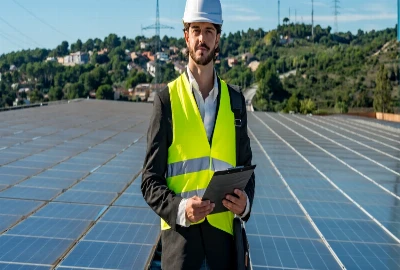
Integration with renewable energy sources such as solar panels and wind turbines further improves sustainability, allowing atmospheric water harvesting systems to operate independently in off-grid environments.
Why Atmospheric Water Harvesting Matters
As freshwater resources become increasingly limited, atmospheric water harvesting provides a resilient alternative that reduces dependence on vulnerable natural water supplies. Its scalability enables deployment at household, commercial, industrial, and municipal levels, supporting long-term water security while improving resilience against climate-related water shortages.
Intelligent Global Freshwater Production Networks

Connecting Water Generation Systems Worldwide
The future of atmospheric water harvesting extends beyond individual devices toward interconnected freshwater production networks. Intelligent Global Freshwater Production Networks connect thousands of water generation systems through cloud computing, artificial intelligence, and Internet of Things technologies. These digital networks continuously exchange operational information, environmental data, and production statistics to improve overall system performance.
Centralized analytics platforms evaluate regional climate conditions, forecast water demand, and coordinate production across multiple facilities. Areas experiencing increased humidity may temporarily increase freshwater production, while neighboring regions facing drought can receive additional support through optimized resource management.
This interconnected approach enables efficient allocation of water resources while reducing operational waste and improving overall system reliability.
AI-Powered Water Resource Optimization
Artificial intelligence serves as the decision-making engine behind intelligent freshwater networks. Machine learning algorithms analyze historical weather patterns, humidity forecasts, seasonal climate trends, and water consumption data to predict future freshwater demand accurately.
Predictive analytics allow operators to prepare for droughts, natural disasters, and seasonal fluctuations before shortages occur. Automated scheduling also ensures water generators operate during periods of maximum atmospheric efficiency, reducing energy consumption while increasing freshwater production.
Continuous learning enables intelligent systems to improve forecasting accuracy over time, creating increasingly efficient water production ecosystems.
Smart Infrastructure Integration
Future freshwater production networks will integrate atmospheric water harvesting with smart cities, renewable energy systems, water treatment facilities, and municipal distribution infrastructure. Intelligent coordination ensures generated freshwater reaches communities where it is needed most while supporting sustainable urban development.
Advanced Technologies Driving Atmospheric Water Harvesting

Artificial Intelligence and Automation
Artificial intelligence has dramatically improved atmospheric water harvesting by enabling systems to monitor environmental conditions continuously and make real-time operational adjustments. Intelligent algorithms optimize cooling cycles, airflow, moisture absorption, and purification processes according to changing weather patterns.
Automation also reduces maintenance requirements by detecting equipment wear before failures occur. Predictive maintenance extends equipment lifespan while reducing operational costs and ensuring consistent freshwater production.
As AI technology advances, atmospheric water harvesting systems will become increasingly autonomous, requiring minimal human supervision.
Nanotechnology and Advanced Materials
Nanotechnology has introduced highly efficient moisture-absorbing materials capable of capturing atmospheric water even in relatively dry environments. Metal-organic frameworks, advanced desiccants, and engineered porous materials significantly improve water collection efficiency compared to conventional condensation methods.
Researchers continue developing innovative materials that release captured water using minimal heat energy, further reducing electricity consumption while increasing freshwater production.
These material science advancements play a crucial role in making atmospheric water harvesting economically viable for large-scale deployment.
Renewable Energy Integration
Combining atmospheric water harvesting with solar and wind power creates fully sustainable freshwater production systems. Renewable energy eliminates dependence on fossil fuels while enabling off-grid operation in remote communities, disaster zones, and developing regions.
Energy storage technologies further improve system reliability by maintaining continuous water production during periods of limited sunlight or changing weather conditions.
Applications Across Industries and Communities

Providing Safe Drinking Water
Atmospheric water harvesting offers reliable access to safe drinking water for communities lacking traditional infrastructure. Schools, hospitals, emergency shelters, military bases, and isolated villages can benefit from decentralized freshwater production without relying on extensive pipeline networks.
Portable atmospheric water generators also support humanitarian relief efforts following natural disasters when conventional water supplies become contaminated or unavailable.
Reliable access to clean drinking water improves public health while reducing waterborne diseases in vulnerable populations.
Supporting Agriculture and Food Security
Agriculture accounts for the majority of global freshwater consumption. Atmospheric water harvesting technologies can supplement irrigation systems, greenhouse operations, and livestock farming by providing additional water during drought conditions.
Intelligent water management systems optimize irrigation schedules based on crop requirements, weather forecasts, and soil moisture conditions. This precision agriculture approach conserves water while improving crop productivity.
Supplemental atmospheric water production strengthens food security by reducing dependence on unpredictable rainfall patterns.
Industrial and Commercial Applications
Industries requiring high-quality process water—including electronics manufacturing, pharmaceuticals, laboratories, and food processing—can utilize atmospheric water harvesting to improve supply reliability. Commercial buildings, hotels, and data centers also benefit from on-site freshwater production that reduces municipal water consumption.


Known as "Nomadic Matt," Matthew Kepnes offers practical travel advice with a focus on budget backpacking. His blog aims to help people travel cheaper and longer.
Matthew Kepnes
Prev Post
Next Post