
AI-Powered Supply Chain Intelligence Systems and Predictive Logistics Optimization Platforms
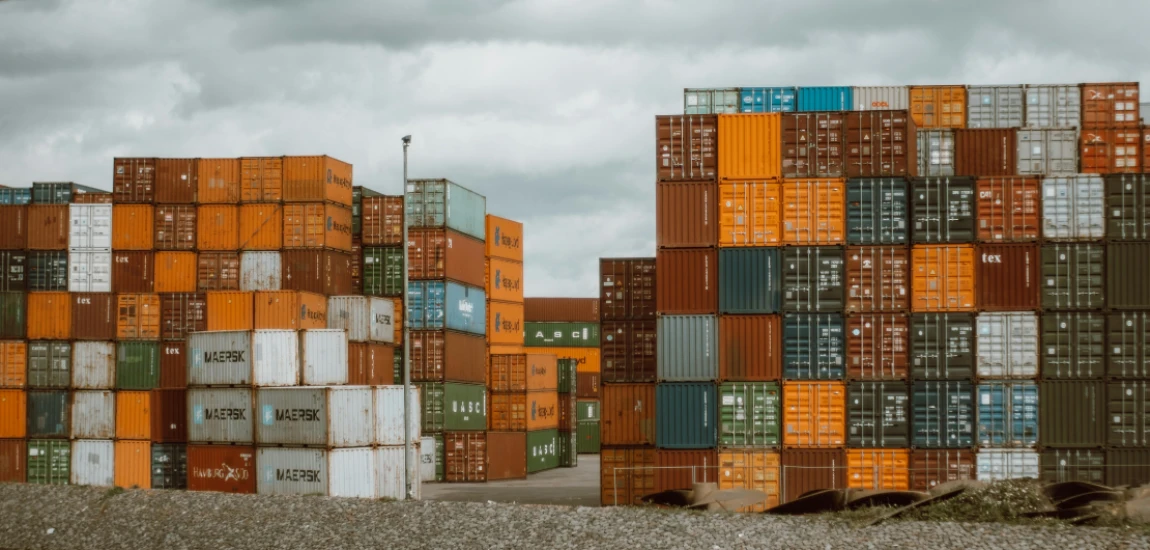
Global supply chains are no longer simple linear systems connecting manufacturers to consumers. Instead, they have evolved into highly complex, interconnected global networks involving suppliers, logistics providers, warehouses, retailers, and digital marketplaces operating in real time. This complexity has made traditional supply chain management methods insufficient. Delays, demand mismatches, inventory shortages, and transportation inefficiencies have become common challenges.
To solve these problems, organizations are increasingly adopting AI-powered supply chain intelligence systems and predictive logistics optimization platforms. These systems use artificial intelligence, machine learning, Internet of Things (IoT), and big data analytics to bring real-time visibility, predictive forecasting, and automated decision-making into supply chain operations. They allow businesses to not only react to disruptions but also anticipate them before they occur.
In this blog, we will explore how these advanced systems work, their technologies, applications, challenges, and future evolution in transforming global logistics networks.
Understanding AI-Powered Supply Chain Intelligence Systems

AI-powered supply chain intelligence systems represent a new generation of digital platforms designed to provide end-to-end visibility and intelligence across global supply chain operations. These systems go beyond traditional tracking tools by integrating artificial intelligence, machine learning, and real-time data analytics to transform raw logistics data into actionable business insights. Instead of simply recording what has already happened, they actively predict what will happen next and recommend optimized actions.
Data Integration Across Global Supply Networks
One of the most powerful capabilities of these systems is their ability to integrate data from multiple sources such as suppliers, manufacturers, warehouses, shipping providers, and retail systems. They also incorporate external data like weather conditions, fuel prices, geopolitical events, and market demand shifts. By unifying this fragmented data into a single intelligence layer, businesses gain a complete, real-time view of their entire supply chain ecosystem. This eliminates blind spots and improves coordination between stakeholders across different regions.
AI-Driven Predictive Decision Making
Unlike traditional systems that rely on static reporting, AI-powered supply chain intelligence systems use predictive algorithms to forecast disruptions, demand fluctuations, and operational bottlenecks. Machine learning models analyze historical trends and real-time inputs to suggest optimized actions such as rerouting shipments, adjusting procurement strategies, or reallocating inventory. Over time, these systems become more accurate as they learn from new data, making decision-making faster and more reliable.
Real-Time Visibility and Operational Control
Real-time visibility is a critical advantage of supply chain intelligence systems. Organizations can track goods, monitor supplier performance, and assess logistics efficiency instantly. This allows businesses to respond immediately to disruptions such as delays, shortages, or transportation issues. As a result, companies can maintain smoother operations and significantly reduce downtime and financial losses.
Predictive Logistics Optimization Platforms

Predictive logistics optimization platforms are AI-powered systems specifically designed to improve the movement, delivery, and distribution of goods across supply chains. These platforms focus on forecasting logistics requirements, optimizing transportation routes, and ensuring timely delivery while minimizing operational costs. By using predictive analytics and real-time data, they help organizations make smarter logistics decisions with greater accuracy.
Demand Forecasting and Inventory Optimization
One of the core functions of predictive logistics platforms is demand forecasting. These systems analyze historical sales data, seasonal trends, market conditions, and external influences such as holidays or economic changes to predict future demand. This helps businesses maintain optimal inventory levels, preventing both overstocking and stock shortages. As a result, companies can reduce storage costs while improving product availability.
Intelligent Route and Fleet Optimization
AI-powered logistics platforms continuously evaluate multiple transportation routes based on real-time factors such as traffic congestion, weather conditions, fuel costs, and delivery deadlines. They automatically select the most efficient route for each shipment. Additionally, these systems optimize fleet management by improving vehicle utilization, scheduling maintenance, and assigning drivers efficiently, leading to reduced operational costs and improved delivery performance.
Real-Time Disruption Detection and Response
Predictive logistics systems are capable of identifying potential disruptions before they occur. Whether it is a weather-related delay, port congestion, or supplier issue, the system immediately generates alternative plans. This proactive approach ensures that supply chain operations remain stable even during unexpected events, significantly improving resilience and customer satisfaction.
Core Technologies Behind Supply Chain Intelligence

AI-powered supply chain systems are built on a combination of advanced technologies that work together to deliver intelligence, automation, and predictive capabilities.
Machine Learning and Advanced AI Models
Machine learning is the backbone of supply chain intelligence. These models analyze large datasets to identify hidden patterns and correlations. Over time, they improve their accuracy through continuous learning. For example, ML algorithms can predict demand spikes during holiday seasons or detect supplier performance issues before they escalate.
IoT and Real-Time Tracking Systems
The Internet of Things plays a crucial role by connecting physical assets to digital systems. Sensors, RFID tags, GPS devices, and smart devices continuously transmit data about product location, temperature, condition, and movement. This real-time data flow ensures full visibility across the supply chain.
Big Data Analytics and Cloud Infrastructure
Modern supply chains generate enormous volumes of data. Big data platforms process this information at scale, extracting meaningful insights. Cloud computing ensures that this data is accessible globally and can be analyzed in real time without infrastructure limitations.
AI-Powered Decision Engines
These systems go beyond analytics—they make decisions. AI engines can automatically reroute shipments, adjust inventory levels, or recommend supplier changes without human intervention, significantly improving operational speed.
Applications in Global Supply Chain Operations

AI-powered supply chain intelligence systems are being widely adopted across industries, fundamentally transforming logistics operations worldwide.
Retail and E-Commerce Optimization
In retail and e-commerce, AI ensures accurate demand forecasting, efficient warehouse management, and fast delivery. Companies like global marketplaces rely heavily on predictive systems to manage millions of daily transactions.
Manufacturing and Production Planning
Manufacturers use AI systems to optimize raw material procurement, production schedules, and supply coordination. This reduces downtime and ensures continuous production flow.
Transportation and Freight Management
AI helps logistics companies optimize freight routes, reduce fuel consumption, and manage fleets efficiently. Predictive systems also help avoid delays caused by weather or traffic disruptions.
Cold Chain and Perishable Goods Management
For industries dealing with food and pharmaceuticals, AI ensures temperature control, timely delivery, and reduced spoilage by monitoring real-time conditions.


Gary Arndt operates "Everything Everywhere," a blog focusing on worldwide travel. An award-winning photographer, Gary shares stunning visuals alongside his travel tales.
Gary Arndt

Prev Post

Next Post