
AI-Powered Smart Agriculture Ecosystems and Autonomous Climate-Adaptive Farming Networks
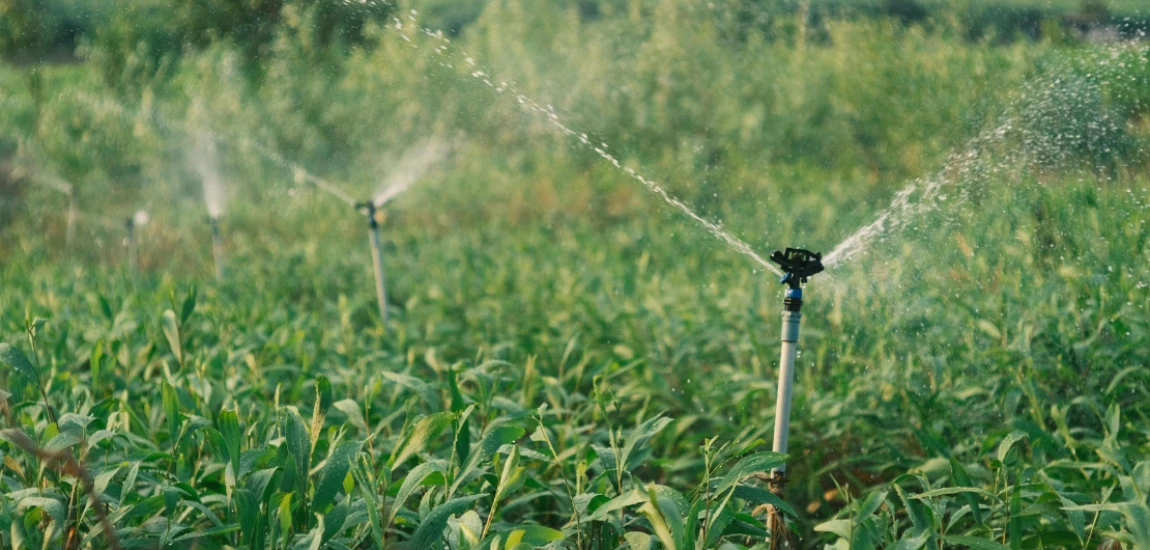
Agriculture is undergoing a massive technological transformation as artificial intelligence, robotics, IoT devices, and climate monitoring systems reshape modern farming practices. With rising global populations, changing climate conditions, water shortages, and increasing food demand, traditional farming methods are struggling to maintain long-term sustainability. To address these challenges, researchers and agricultural industries are developing AI-Powered Smart Agriculture Ecosystems and Autonomous Climate-Adaptive Farming Networks.
These advanced farming systems integrate artificial intelligence, predictive analytics, autonomous machinery, and environmental sensing technologies to optimize agricultural productivity while reducing resource waste. Smart agriculture ecosystems can monitor soil conditions, weather patterns, crop health, irrigation systems, and pest activity in real time. AI algorithms then analyze this information to make highly accurate farming decisions automatically.
Autonomous climate-adaptive farming networks also allow agricultural systems to respond dynamically to environmental changes such as droughts, floods, temperature fluctuations, and extreme weather events. As these technologies continue evolving, intelligent agriculture may become essential for ensuring global food security and sustainable environmental management.
Understanding AI-Powered Smart Agriculture Ecosystems

AI-powered smart agriculture ecosystems are advanced farming infrastructures that combine artificial intelligence, automation, sensor networks, and data analytics to improve agricultural efficiency and sustainability.
Artificial Intelligence in Modern Farming
Artificial intelligence plays a critical role in transforming traditional agriculture into intelligent farming systems. AI algorithms can process massive amounts of agricultural data including soil conditions, crop health, moisture levels, temperature patterns, and weather forecasts.
Machine learning systems may identify crop diseases, nutrient deficiencies, and pest infestations before they spread across fields. Farmers can then take preventive action early, reducing crop losses and improving productivity.
AI-powered decision-making systems may also recommend optimal planting schedules, irrigation timing, fertilizer application, and harvesting strategies based on environmental conditions and crop requirements.
Smart Sensor Networks and IoT Integration
Internet of Things technology allows farms to operate as interconnected digital ecosystems. Smart sensors placed throughout agricultural fields continuously monitor environmental conditions such as soil moisture, pH levels, humidity, sunlight exposure, and temperature.
These IoT devices transmit real-time data to centralized AI platforms where advanced analytics systems evaluate farming conditions automatically. Smart irrigation systems may then distribute water precisely where needed, reducing waste and improving efficiency.
Connected sensor networks also allow farmers to monitor large agricultural operations remotely through smartphones, tablets, or cloud-based management platforms.
Data-Driven Agricultural Management
Data analytics has become increasingly important in precision agriculture. AI-driven farming systems can analyze historical crop data, satellite imagery, and environmental information to improve long-term agricultural planning.
Predictive models may forecast crop yields, market demand, weather risks, and resource consumption patterns with remarkable accuracy. This information helps farmers make better financial and operational decisions.
Data-driven agriculture may also improve sustainability by reducing excessive water use, fertilizer application, and chemical pesticide dependency.
Autonomous Climate-Adaptive Farming Networks

Autonomous climate-adaptive farming networks are intelligent agricultural systems designed to respond dynamically to changing environmental conditions through automation and predictive technologies.
Climate Monitoring and Prediction Systems
Climate change is creating major challenges for global agriculture. Rising temperatures, unpredictable rainfall, droughts, floods, and severe storms can significantly impact crop production.
AI-powered climate monitoring systems can analyze weather data, atmospheric conditions, and environmental trends in real time. Predictive algorithms may forecast climate risks weeks or even months in advance.
Farmers can use these insights to adjust planting schedules, irrigation plans, and crop selection strategies according to expected climate conditions. This adaptability improves agricultural resilience and reduces environmental risks.
Autonomous Irrigation Management
Water scarcity is becoming one of the biggest challenges facing agriculture worldwide. Autonomous irrigation systems use AI and sensor technologies to optimize water distribution across farms efficiently.
Smart irrigation networks monitor soil moisture, crop hydration levels, and weather forecasts continuously. AI algorithms automatically regulate water flow according to real-time agricultural needs.
These intelligent systems can significantly reduce water waste while improving crop growth and soil health. Autonomous irrigation may become essential for sustainable agriculture in drought-prone regions.
Adaptive Crop Protection Systems
Pests, diseases, and environmental stress can severely damage agricultural production. AI-driven crop protection systems can identify threats early through image recognition, sensor analysis, and predictive modeling.
Autonomous drones and robotic monitoring systems may scan fields continuously for signs of disease or pest activity. AI platforms then recommend targeted treatments to prevent large-scale outbreaks.
This precision approach reduces chemical pesticide use while improving crop protection efficiency and environmental sustainability.
Core Technologies Behind Smart Agriculture Innovation

Several advanced technologies are driving the development of intelligent farming ecosystems and autonomous agricultural networks.
Agricultural Robotics and Automation
Autonomous farming machines are transforming labor-intensive agricultural operations. AI-powered tractors, robotic harvesters, planting systems, and drones can perform farming tasks with minimal human intervention.
Robotic systems may plant crops, remove weeds, monitor field conditions, and harvest produce more efficiently than traditional manual methods. AI navigation technologies allow machines to operate accurately even in complex farming environments.
Automation helps reduce labor shortages while improving agricultural productivity and operational consistency.
Satellite Imaging and Drone Surveillance
Satellite imagery and drone technology provide farmers with detailed aerial views of agricultural fields. AI-powered imaging systems can detect crop stress, irrigation issues, nutrient deficiencies, and disease outbreaks from above.
Drones equipped with multispectral cameras may analyze plant health across large farming areas rapidly. AI systems process this visual data to create precise agricultural recommendations.
These technologies improve field management while reducing the need for manual inspections.
Cloud Computing and Agricultural Analytics
Cloud-based agricultural platforms allow farmers to store, analyze, and access farming data from anywhere. AI-powered analytics systems process enormous datasets collected from sensors, drones, satellites, and machinery.
Cloud infrastructures support real-time collaboration between farmers, agricultural researchers, suppliers, and government agencies. Predictive analytics may also improve long-term agricultural planning and food supply management.
Scalable cloud systems are essential for supporting modern digital farming ecosystems.
Applications of AI-Powered Smart Agriculture Ecosystems

AI-driven agriculture technologies are transforming multiple areas of food production and environmental management.
Precision Crop Farming
Precision farming focuses on optimizing agricultural inputs according to specific field conditions. AI systems can determine the exact amount of water, fertilizer, and pesticides needed for different crop zones.
This targeted approach improves crop yields while reducing waste and environmental pollution. Precision agriculture may also lower operational costs and improve farm profitability.
Farmers can make more informed decisions using detailed AI-generated field analytics and predictive recommendations.
Sustainable Livestock Management
Smart agriculture technologies are also improving livestock farming operations. AI monitoring systems can track animal health, feeding behavior, movement patterns, and environmental conditions continuously.
Wearable sensors and automated feeding systems help farmers maintain healthier livestock populations while improving efficiency. Predictive health monitoring may also reduce disease outbreaks and veterinary costs.
Autonomous livestock management systems support more sustainable and humane farming practices.
Smart Greenhouse Agriculture
Controlled-environment agriculture is becoming increasingly important for year-round food production. AI-powered greenhouses can regulate temperature, humidity, lighting, and irrigation automatically.
Machine learning systems optimize growing conditions according to crop requirements and environmental changes. Smart greenhouses may also integrate renewable energy systems for improved sustainability.
These technologies allow efficient food production even in regions with harsh climate conditions.


Kate McCulley, the voice behind "Adventurous Kate," provides travel advice tailored for women. Her blog encourages safe and adventurous travel for female readers.
Kate McCulley

Prev Post
Next Post