
AI-Powered Holographic Communication Systems and Immersive Virtual Interaction Frameworks
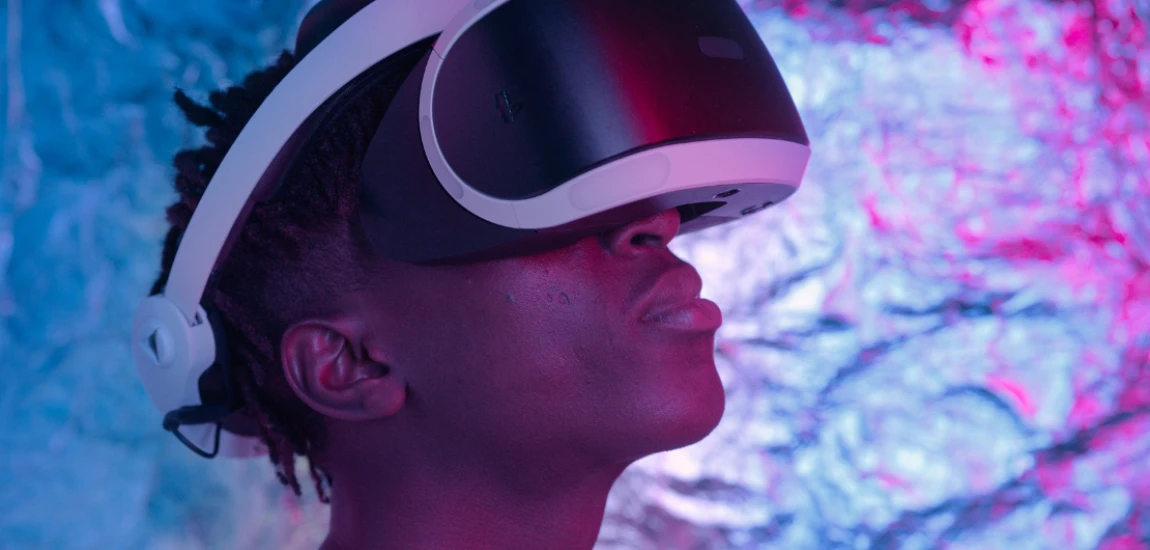
The future of communication is rapidly evolving beyond traditional video conferencing and digital messaging platforms. Advances in artificial intelligence, holography, augmented reality, and immersive computing are driving the development of AI-powered holographic communication systems and immersive virtual interaction frameworks. These innovative technologies are transforming how individuals, businesses, healthcare providers, and educational institutions interact in digital environments.
Holographic communication systems use advanced projection technologies, AI-driven rendering engines, spatial computing, and real-time data processing to create lifelike three-dimensional communication experiences. Unlike conventional communication tools, holographic systems enable users to interact with realistic digital representations in shared virtual environments, creating deeper engagement and more natural collaboration.
Immersive virtual interaction frameworks further enhance these experiences by integrating artificial intelligence, machine learning, extended reality (XR), and cloud computing into intelligent communication ecosystems. These systems support virtual meetings, remote education, medical training, entertainment experiences, and collaborative industrial operations with unprecedented realism and responsiveness.
As organizations increasingly adopt digital transformation strategies, AI-driven holographic communication technologies are becoming essential tools for improving global connectivity, remote collaboration, and immersive human interaction across industries.
Understanding AI-Powered Holographic Communication Systems

AI-powered holographic communication systems are advanced digital platforms that use artificial intelligence and holographic projection technologies to create realistic three-dimensional communication experiences.
Integration of Artificial Intelligence and Holography
Artificial intelligence serves as the core intelligence engine behind modern holographic communication platforms. AI algorithms process visual data, spatial information, voice recognition, and motion tracking to create highly realistic holographic interactions.
Machine learning models continuously improve image rendering quality, gesture recognition accuracy, and real-time environmental adaptation. These AI systems help generate natural facial expressions, body movements, and conversational synchronization within virtual environments.
The combination of AI and holographic technologies enables more lifelike and immersive communication experiences compared to traditional video-based platforms.
Real-Time Spatial Rendering Technologies
Holographic communication relies heavily on advanced spatial rendering systems capable of generating dynamic three-dimensional visuals in real time.
AI-powered rendering engines process massive amounts of visual and spatial data to create accurate depth perception, lighting effects, and environmental interactions. These systems ensure smooth communication experiences even during complex collaborative sessions involving multiple participants.
Real-time rendering technologies are essential for maintaining immersion and realism in holographic communication environments.
Intelligent Voice and Gesture Recognition
Modern immersive communication systems use AI-driven voice recognition and gesture tracking technologies to enable natural user interaction.
Advanced neural networks analyze speech patterns, body movements, hand gestures, and facial expressions to interpret user intentions accurately. This allows participants to interact with holographic content naturally without relying heavily on traditional input devices.
Gesture-based interaction significantly enhances communication efficiency and user engagement within immersive digital environments.
Immersive Virtual Interaction Frameworks

Immersive virtual interaction frameworks are intelligent digital ecosystems that combine holography, virtual reality, augmented reality, and AI technologies to create highly interactive communication environments.
Extended Reality Integration
Extended reality technologies, including virtual reality (VR), augmented reality (AR), and mixed reality (MR), play a major role in immersive communication systems.
AI-driven XR frameworks merge physical and digital environments seamlessly, allowing users to interact with holographic content in real-world settings. These technologies support collaborative virtual workspaces, interactive simulations, and immersive educational experiences.
Extended reality integration improves communication realism and creates more engaging digital interactions across multiple industries.
Cloud-Based Virtual Collaboration Platforms
Cloud computing enables holographic communication systems to process and distribute immersive digital content efficiently across global networks.
Cloud-based frameworks support real-time synchronization of holographic data, collaborative environments, and AI-powered communication services. Users can participate in immersive virtual meetings from different geographic locations while experiencing seamless interaction.
Scalable cloud infrastructure also improves accessibility and operational flexibility for businesses and organizations adopting holographic communication technologies.
Adaptive User Experience Personalization
AI-powered immersive frameworks continuously analyze user behavior, interaction preferences, and communication patterns to personalize virtual experiences.
Adaptive systems may adjust visual rendering quality, interface configurations, and communication settings dynamically to improve user comfort and engagement.
Personalized interaction frameworks enhance usability while supporting more intuitive and efficient communication experiences.
Applications of Holographic Communication Technologies

AI-powered holographic communication systems are transforming multiple industries through advanced virtual interaction capabilities and intelligent collaboration tools.
Business Collaboration and Remote Work
Modern organizations increasingly rely on remote collaboration technologies to connect distributed teams and global operations.
Holographic communication systems create immersive virtual meeting environments where participants can interact naturally using realistic three-dimensional representations. These technologies improve engagement, communication clarity, and collaborative productivity compared to traditional video conferencing tools.
Virtual workspaces powered by AI and holography may also support product design reviews, engineering simulations, and strategic planning sessions.
Healthcare and Medical Training
Healthcare organizations are adopting immersive communication technologies for telemedicine, surgical training, and medical education.
AI-powered holographic systems allow doctors to visualize patient anatomy in three dimensions, improving diagnostic analysis and treatment planning. Medical students can also participate in realistic virtual simulations and collaborative training environments.
Remote healthcare consultations become more interactive and informative through immersive holographic communication platforms.
Education and Interactive Learning
Educational institutions are using immersive virtual interaction frameworks to improve student engagement and learning experiences.
AI-driven holographic classrooms enable interactive lessons, virtual laboratory simulations, and collaborative educational activities. Students can explore complex scientific concepts and historical reconstructions within realistic immersive environments.
These technologies support personalized learning experiences and improve educational accessibility worldwide.
Benefits of AI-Driven Holographic Communication Systems

AI-powered immersive communication systems provide substantial operational, educational, and social advantages for businesses, institutions, and individuals.
Enhanced Communication Realism
Traditional digital communication methods often lack emotional depth and spatial interaction. Holographic communication systems create more natural and realistic interactions through three-dimensional visualization and gesture recognition.
Participants can observe body language, spatial positioning, and facial expressions more accurately, improving conversational clarity and emotional engagement.
Enhanced realism strengthens collaboration effectiveness and interpersonal communication quality.
Increased Productivity and Collaboration
Immersive virtual environments improve teamwork by enabling more interactive and engaging collaboration experiences.
AI-driven systems automate meeting management, content sharing, and virtual workspace organization, allowing teams to focus on productive tasks more efficiently.
These technologies also reduce travel requirements, lowering operational costs and improving organizational flexibility.
Improved Accessibility and Global Connectivity
Holographic communication frameworks enable individuals and organizations to connect globally without geographic limitations.
Remote collaboration becomes more accessible for businesses, educational institutions, healthcare providers, and international organizations. AI-powered translation systems may also support multilingual communication within immersive environments.
Improved global connectivity promotes innovation, cultural exchange, and international collaboration opportunities.


Shivya Nath authors "The Shooting Star," a blog that covers responsible and off-the-beaten-path travel. She writes about sustainable tourism and community-based experiences.
Shivya Nath

Prev Post
Next Post