
AI-Powered Digital Twin Manufacturing Systems and Predictive Industrial Optimization Architectures
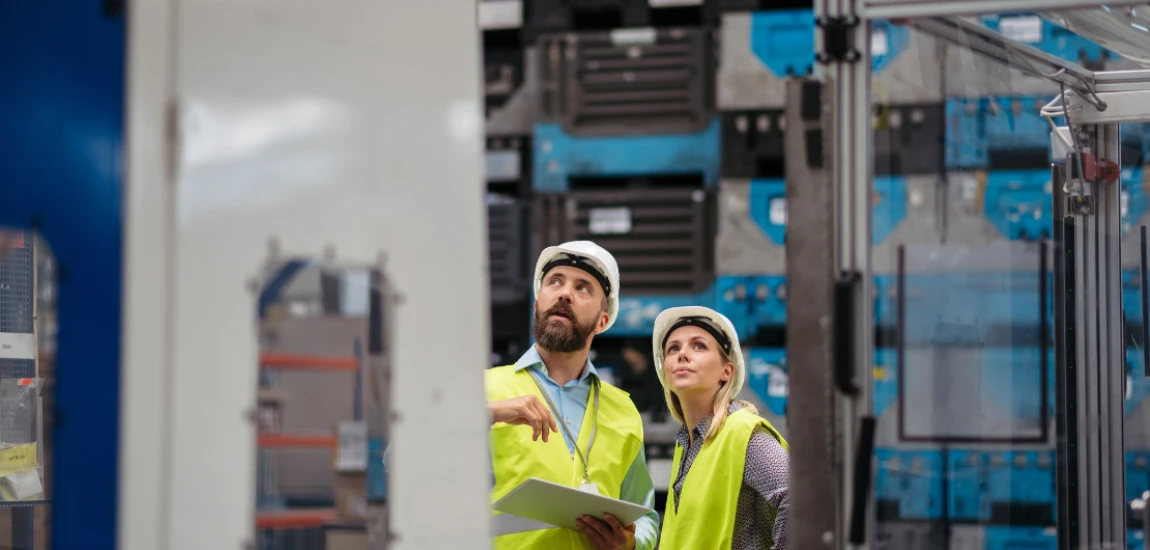
The manufacturing industry is experiencing a major transformation driven by artificial intelligence, automation, Industrial Internet of Things (IIoT), robotics, and real-time data analytics. Traditional manufacturing systems often face challenges related to equipment downtime, inefficient resource utilization, production delays, quality control issues, and rising operational costs. To overcome these limitations, industries are increasingly adopting AI-powered digital twin manufacturing systems and predictive industrial optimization architectures.
A digital twin is a virtual representation of a physical machine, production line, factory, or industrial process that continuously receives and analyzes real-time operational data. These intelligent digital models simulate equipment performance, monitor production conditions, and predict potential failures before they occur. When integrated with artificial intelligence and machine learning technologies, digital twin systems become highly adaptive and capable of optimizing industrial operations automatically.
Predictive industrial optimization architectures use AI-driven analytics, cloud computing, edge processing, smart sensors, and automation systems to improve manufacturing productivity and operational efficiency. These technologies enable factories to make data-driven decisions, reduce downtime, improve quality control, and streamline supply chain management.
As Industry 4.0 continues to evolve, AI-powered digital twin technologies are becoming essential for building intelligent, resilient, and highly efficient smart manufacturing ecosystems capable of meeting modern industrial demands.
Understanding AI-Powered Digital Twin Manufacturing Systems

AI-powered digital twin manufacturing systems are intelligent virtual models designed to replicate real-world industrial environments and processes in real time. These systems provide manufacturers with accurate operational insights and predictive capabilities.
Virtual Simulation of Industrial Processes
Digital twin systems create highly detailed virtual replicas of machines, equipment, and production lines. These virtual environments continuously receive live operational data from sensors and connected devices installed throughout manufacturing facilities.
AI-powered simulations allow manufacturers to monitor equipment behavior, production performance, and workflow efficiency in real time. Engineers can test operational changes, identify inefficiencies, and evaluate production scenarios without disrupting physical operations.
Virtual industrial simulations reduce experimentation risks and support faster innovation across manufacturing environments.
Artificial Intelligence and Machine Learning Integration
Artificial intelligence enhances digital twin systems by enabling predictive analytics and intelligent automation. Machine learning algorithms analyze operational patterns, detect anomalies, and predict equipment failures before they affect production.
AI systems continuously improve their accuracy by learning from historical and real-time manufacturing data. These intelligent capabilities help optimize machine performance, energy consumption, and maintenance scheduling automatically.
The integration of AI with digital twin architectures enables factories to become more adaptive and responsive to changing operational conditions.
Real-Time Data Synchronization
One of the most important features of digital twin manufacturing systems is real-time data synchronization between physical assets and virtual models.
IoT sensors installed on industrial equipment collect information related to temperature, vibration, pressure, speed, energy consumption, and machine health. This data is transmitted instantly to digital twin platforms for analysis and simulation.
Real-time synchronization allows manufacturers to identify operational issues quickly and improve production decision-making with greater accuracy.
Predictive Industrial Optimization Architectures

Predictive industrial optimization architectures use advanced AI technologies and automation frameworks to improve manufacturing efficiency, reliability, and productivity.
Predictive Maintenance Systems
Equipment failures and unplanned downtime can cause significant financial losses in manufacturing operations. Predictive maintenance systems use AI-powered analytics to monitor equipment conditions continuously and predict maintenance needs before breakdowns occur.
Machine learning algorithms analyze sensor data, operational history, and environmental conditions to identify signs of wear, overheating, vibration abnormalities, and mechanical stress.
Predictive maintenance reduces repair costs, extends equipment lifespan, and minimizes production interruptions in industrial environments.
Intelligent Production Planning
AI-driven optimization architectures improve production planning by analyzing manufacturing demand, machine capacity, labor availability, and supply chain conditions.
Intelligent planning systems generate optimized production schedules that maximize operational efficiency while minimizing delays and waste.
Real-time production adjustments help factories respond quickly to changing market demands and supply chain disruptions.
Automated Quality Control Systems
Maintaining product quality is critical for manufacturing success. AI-powered quality control systems use computer vision, machine learning, and sensor technologies to inspect products automatically during production.
These systems can detect defects, inconsistencies, and manufacturing errors with greater speed and accuracy than manual inspection methods.
Automated quality control improves product consistency, reduces waste, and enhances customer satisfaction.
Core Technologies Behind Digital Twin Manufacturing

Modern digital twin manufacturing systems rely on multiple advanced technologies working together to create intelligent industrial ecosystems.
Industrial Internet of Things and Smart Sensors
The Industrial Internet of Things connects machines, devices, and sensors across manufacturing facilities. Smart sensors collect real-time operational data related to machine performance, environmental conditions, and production efficiency.
Connected IIoT infrastructures enable seamless communication between physical equipment and digital twin platforms.
These technologies improve operational visibility and support data-driven industrial decision-making processes.
Cloud Computing and Edge Processing
Manufacturing systems generate massive amounts of operational data every day. Cloud computing platforms provide scalable infrastructures for storing, processing, and analyzing industrial information efficiently.
Edge computing technologies process data closer to machines and production systems, reducing latency and improving real-time responsiveness.
Cloud-edge integration enhances digital twin performance and supports faster industrial optimization decisions.
Robotics and Intelligent Automation
Modern manufacturing environments increasingly rely on robotics and automation systems for assembly, packaging, inspection, and material handling tasks.
AI-powered robots integrated with digital twin systems can adapt to changing production requirements and optimize operational workflows automatically.
Intelligent automation improves productivity, reduces labor-intensive tasks, and increases manufacturing precision.
Benefits of AI-Powered Digital Twin Systems

AI-powered digital twin manufacturing systems provide significant operational, financial, and strategic benefits for industrial organizations.
Increased Manufacturing Efficiency
Digital twin systems improve operational efficiency by identifying bottlenecks, optimizing workflows, and reducing unnecessary downtime.
Real-time monitoring and predictive analytics help manufacturers make faster and more accurate production decisions.
Improved efficiency leads to higher productivity, reduced waste, and better resource utilization across manufacturing operations.
Reduced Operational Costs
Predictive maintenance and intelligent automation significantly reduce maintenance expenses, repair costs, and production losses caused by equipment failures.
Energy optimization systems also help manufacturers lower electricity consumption and improve sustainability performance.
Cost reductions improve profitability and support long-term industrial competitiveness.
Improved Product Quality and Innovation
AI-powered quality control systems ensure consistent product standards while minimizing manufacturing defects.
Digital twin simulations also accelerate product development by allowing engineers to test prototypes and production strategies virtually before implementation.
Faster innovation cycles help manufacturers introduce new products to market more efficiently.


Known as "Nomadic Matt," Matthew Kepnes offers practical travel advice with a focus on budget backpacking. His blog aims to help people travel cheaper and longer.
Matthew Kepnes

Prev Post
Next Post