
AI-Orchestrated Robotics and Fully Automated Industrial Systems: The Future of Smart Manufacturing
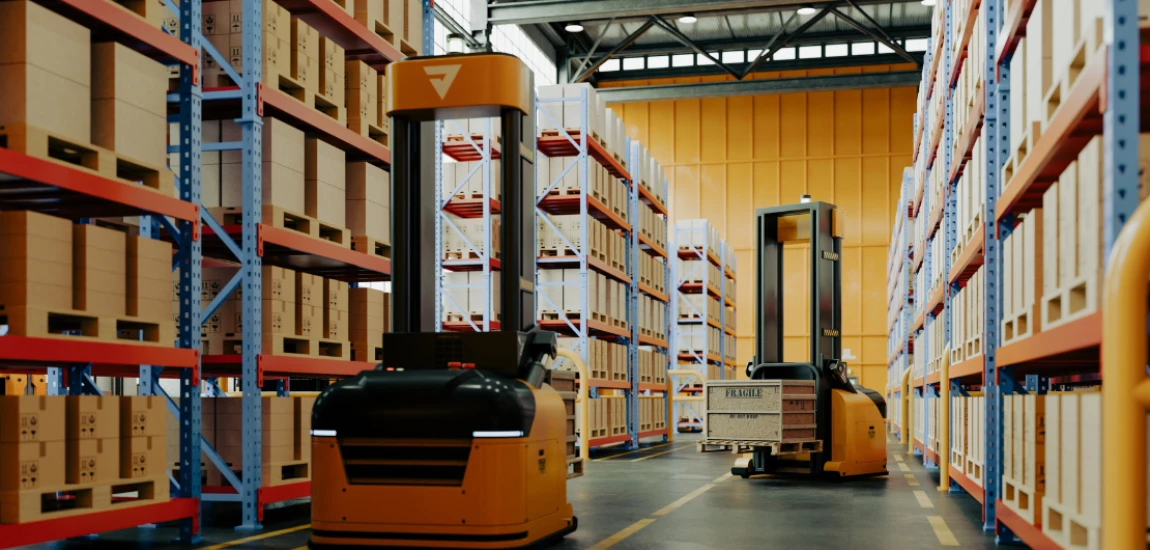
The manufacturing and industrial landscape is undergoing a profound transformation driven by artificial intelligence and robotics. At the center of this evolution lies AI-orchestrated robotics and fully automated industrial systems, a powerful combination that is redefining productivity, efficiency, and innovation.
Unlike traditional automation, which relies on pre-programmed instructions, AI-orchestrated systems leverage machine learning, real-time data analysis, and intelligent decision-making to adapt dynamically to changing conditions. These systems coordinate multiple robotic units, machines, and processes seamlessly, creating highly efficient and autonomous industrial environments.
From smart factories to autonomous supply chains, businesses are increasingly adopting AI-driven robotics to stay competitive in a rapidly evolving market. However, alongside these advancements come challenges such as workforce adaptation, cybersecurity risks, and high implementation costs.
This blog explores the technologies, applications, benefits, challenges, and future trends shaping AI-orchestrated robotics and automated industrial systems.
Understanding AI-Orchestrated Robotics

What Is AI-Orchestrated Robotics?
AI-orchestrated robotics refers to the integration of artificial intelligence with robotic systems to enable autonomous coordination, decision-making, and task execution. Unlike standalone robots, these systems work collaboratively, guided by AI algorithms that optimize workflows in real time.
These robots can learn from data, adapt to new tasks, and improve performance over time. This level of intelligence allows them to handle complex operations that were previously impossible with traditional automation.
Key Features of Intelligent Robotics Systems
AI-driven robotic systems are characterized by adaptability, scalability, and precision. They can process large volumes of data, identify patterns, and make informed decisions without human intervention.
Advanced sensors and computer vision enable robots to interact with their environment more effectively. This enhances their ability to perform tasks such as quality inspection, assembly, and material handling.
Difference Between Traditional Automation and AI Robotics
Traditional automation relies on fixed programming and limited flexibility, making it suitable for repetitive tasks. In contrast, AI-orchestrated robotics offers dynamic adaptability and continuous learning.
This shift from rigid automation to intelligent systems represents a major leap forward in industrial innovation.
Core Technologies Powering Automated Industrial Systems

Artificial Intelligence and Machine Learning
AI and machine learning are the backbone of modern industrial automation. These technologies enable systems to analyze data, predict outcomes, and optimize processes.
Machine learning algorithms improve system performance by learning from past experiences and adapting to new scenarios.
Internet of Things (IoT) Integration
IoT plays a crucial role in connecting machines, sensors, and devices within industrial environments. This connectivity enables real-time data exchange and monitoring.
IoT integration enhances visibility and control, allowing businesses to optimize operations and reduce downtime.
Advanced Robotics and Automation Hardware
Modern industrial robots are equipped with advanced hardware, including sensors, actuators, and controllers. These components enable precise and efficient task execution.
Collaborative robots, or cobots, are designed to work alongside humans, enhancing productivity and safety.
Applications in Modern Industries

Smart Manufacturing and Production Lines
AI-orchestrated robotics is transforming manufacturing by enabling fully automated production lines. These systems can handle everything from assembly to packaging with minimal human intervention.
Smart factories use AI to optimize workflows, reduce waste, and improve product quality.
Logistics and Supply Chain Automation
In logistics, AI-driven robotics streamline warehouse operations, inventory management, and order fulfillment. Autonomous vehicles and robotic systems ensure efficient material handling.
This leads to faster delivery times and reduced operational costs.
Automotive and Electronics Industries
The automotive and electronics sectors are among the biggest adopters of AI robotics. These industries rely on precision, speed, and consistency, making them ideal for automation.
Robots perform tasks such as welding, painting, and component assembly with high accuracy.
Benefits of AI-Orchestrated Industrial Systems

Increased Efficiency and Productivity
AI-driven systems significantly improve efficiency by optimizing processes and reducing manual intervention. This leads to higher productivity and faster production cycles.
Automation also minimizes errors, ensuring consistent quality.
Cost Reduction and Resource Optimization
Fully automated systems reduce labor costs and optimize resource utilization. Businesses can achieve significant cost savings while maintaining high performance.
Predictive maintenance further reduces downtime and repair costs.
Enhanced Safety and Reliability
AI robotics enhance workplace safety by handling hazardous tasks and reducing human exposure to risks. This creates a safer working environment.
Reliable automation systems ensure consistent performance and minimal disruptions.


Kate McCulley, the voice behind "Adventurous Kate," provides travel advice tailored for women. Her blog encourages safe and adventurous travel for female readers.
Kate McCulley

Prev Post

Next Post