
AI-Driven Synthetic Biology and Programmable Living Systems: The Future of Bio-Engineering
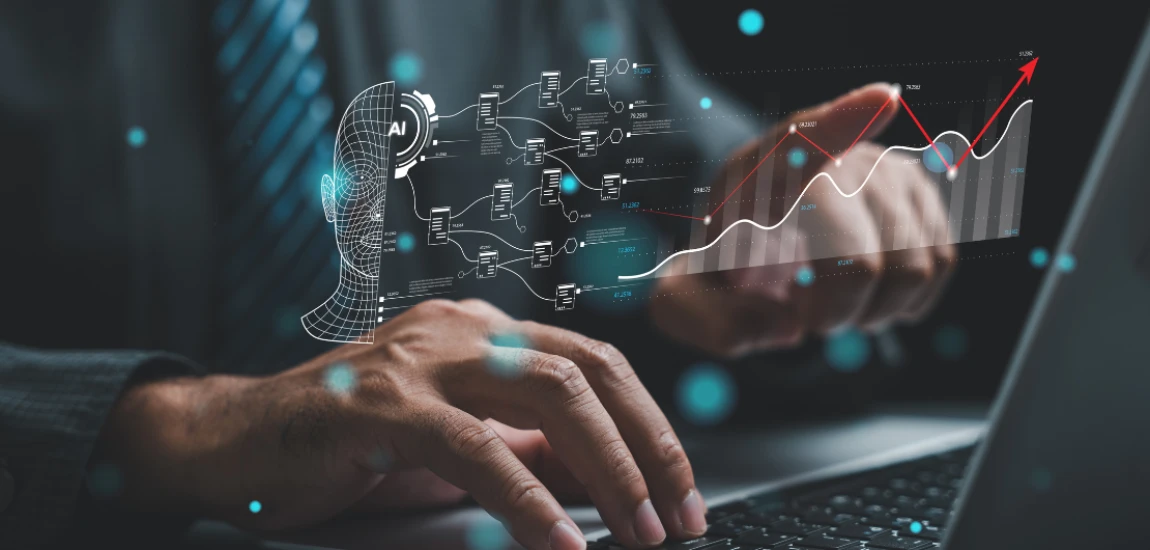
AI-driven synthetic biology is rapidly emerging as one of the most transformative fields in modern science, combining the analytical power of artificial intelligence with the creative potential of biological engineering. Instead of merely studying life, scientists are now redesigning and programming living organisms to perform specific functions. By leveraging machine learning algorithms, researchers can analyze vast biological datasets, predict genetic behaviors, and design efficient biological systems with unprecedented accuracy. This integration allows for faster experimentation, reduced costs, and scalable innovation. Programmable living systems, a key outcome of this convergence, behave like biological machines—capable of sensing environmental inputs, processing information, and responding accordingly. From curing diseases to addressing climate challenges, AI-driven synthetic biology is redefining the boundaries of what is possible in healthcare, agriculture, and environmental sustainability, marking the beginning of a new era where biology itself becomes a programmable platform.
Core Technologies Behind Programmable Living Systems

The foundation of programmable living systems lies in a combination of advanced technologies that enable scientists to manipulate, design, and control biological functions with precision. These technologies work together to transform abstract biological concepts into practical, real-world applications.
Gene Editing and CRISPR Technology
Gene editing tools, particularly CRISPR-Cas9, have revolutionized the field by allowing precise modifications to DNA sequences. Scientists can now insert, delete, or alter genes with high accuracy, enabling the creation of organisms with specific, desirable traits. This level of control is essential for programming living systems to perform targeted tasks such as producing therapeutic proteins or breaking down pollutants.
Machine Learning and Predictive Modeling
Artificial intelligence plays a crucial role in predicting how genetic changes will impact an organism. Machine learning algorithms analyze complex biological interactions and identify patterns that guide researchers in designing efficient biological systems. This reduces the need for trial-and-error experimentation, saving both time and resources.
Bioinformatics and Data Integration
Bioinformatics tools enable the storage, analysis, and integration of massive biological datasets. By combining genomic, proteomic, and metabolic data, scientists gain a holistic understanding of biological systems. This data-driven approach ensures that engineered organisms function reliably and efficiently in real-world conditions.
Applications in Healthcare and Medicine

AI-driven synthetic biology is revolutionizing healthcare by enabling innovative solutions that were once considered impossible. Its applications are reshaping how diseases are diagnosed, treated, and even prevented.
Personalized Medicine and Gene Therapy
One of the most promising applications is personalized medicine, where treatments are tailored to an individual’s genetic profile. Programmable living systems can be designed to target specific genetic mutations, offering highly effective therapies with minimal side effects. Gene therapy, powered by AI insights, can correct defective genes and provide long-term cures rather than temporary relief.
Smart Drug Delivery Systems
Engineered cells can function as intelligent drug delivery systems, releasing medication only when specific conditions are met. For example, these cells can detect disease markers and respond by delivering precise doses of therapeutic compounds. This targeted approach enhances treatment efficiency and reduces unnecessary exposure to drugs.
Disease Detection and Biosensors
Synthetic biology enables the creation of advanced biosensors capable of detecting diseases at early stages. These sensors can identify biomarkers in the body and trigger immediate responses, such as producing a detectable signal or initiating treatment. Early detection significantly improves patient outcomes and reduces healthcare costs.
Impact on Agriculture and Environmental Sustainability

Beyond healthcare, AI-driven synthetic biology is playing a critical role in addressing global challenges related to food security and environmental sustainability. By engineering organisms with enhanced capabilities, scientists are creating solutions that are both efficient and eco-friendly.
Genetically Engineered Crops
AI-powered synthetic biology allows for the development of crops that are more resilient to environmental stressors such as drought, pests, and diseases. These crops can yield higher production while requiring fewer resources, making them essential for feeding a growing global population.
Environmental Monitoring and Remediation
Programmable organisms can be designed to monitor environmental conditions and respond to pollution. For instance, engineered bacteria can detect toxic substances in water and break them down into harmless components. This approach offers a sustainable and cost-effective solution for environmental cleanup.
Sustainable Bio-Manufacturing
Synthetic biology enables the production of bio-based materials, fuels, and chemicals using engineered microorganisms. This reduces reliance on fossil fuels and minimizes environmental impact. Industries can adopt these sustainable practices to achieve greener production processes.
Benefits and Challenges of AI-Driven Synthetic Biology

While the advantages of AI-driven synthetic biology are substantial, the field also presents complex challenges that must be carefully managed to ensure safe and ethical development.
Advantages of Intelligent Bioengineering
The integration of AI with synthetic biology accelerates research and development, enabling faster innovation and reduced costs. It allows for precise control over biological systems, leading to more reliable and scalable solutions. Additionally, decentralized experimentation and automation improve efficiency across industries.
Ethical and Regulatory Concerns
Manipulating living organisms raises important ethical questions regarding safety, consent, and potential misuse. There is a need for robust regulatory frameworks to ensure that these technologies are developed and deployed responsibly. Transparency and accountability are essential to building public trust.
Technical Limitations and Risks
Despite significant progress, challenges such as unintended genetic mutations, system complexity, and scalability remain. Ensuring the stability and predictability of engineered organisms is critical for their successful application. Continuous research and innovation are required to overcome these limitations.


Kate McCulley, the voice behind "Adventurous Kate," provides travel advice tailored for women. Her blog encourages safe and adventurous travel for female readers.
Kate McCulley

Prev Post

Next Post