
AI-Driven Space Habitat Management Systems and Smart Interplanetary Living Architectures
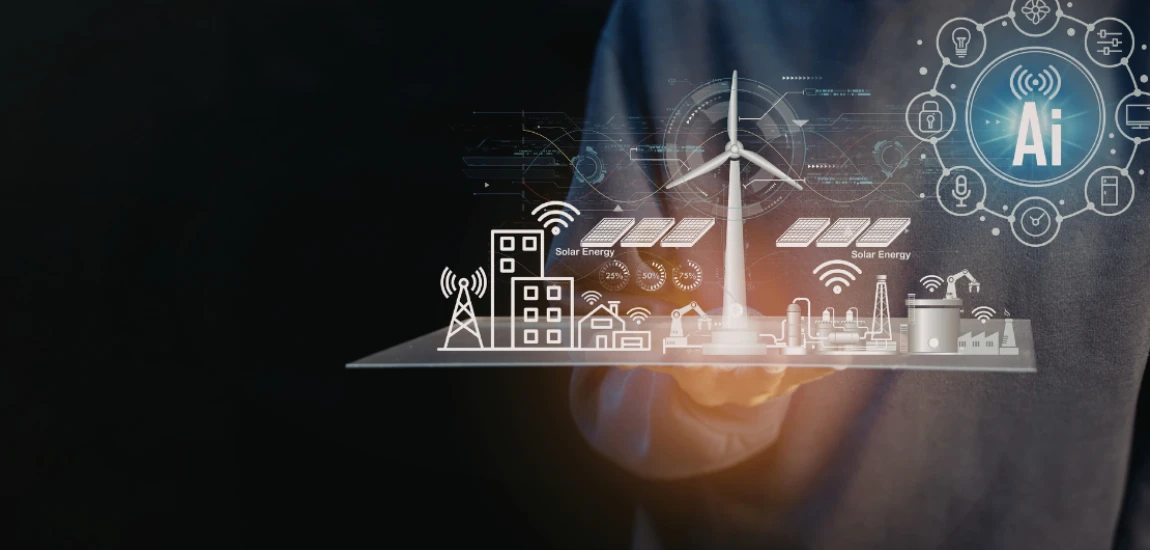
Humanity is entering a new era of space exploration where long-term habitation beyond Earth is becoming an achievable reality. Governments, private aerospace companies, and international space organizations are investing heavily in lunar bases, Martian colonies, deep-space exploration missions, and orbital habitats designed for sustainable human living. However, surviving in space requires far more than advanced spacecraft and rockets. Future interplanetary settlements must support human life in environments that are extremely hostile, resource-limited, and isolated from Earth.
Space habitats must maintain oxygen production, temperature regulation, radiation protection, water recycling, food cultivation, waste management, communication systems, and emergency response capabilities continuously. Traditional habitat systems designed for short-duration missions cannot efficiently support long-term autonomous operations on distant planets where communication delays and harsh environmental conditions create additional challenges.
To overcome these obstacles, scientists and engineers are developing AI-driven space habitat management systems and smart interplanetary living architectures. These advanced technologies combine artificial intelligence, robotics, IoT sensors, predictive analytics, machine learning, and autonomous infrastructure management to create intelligent extraterrestrial living environments capable of operating with minimal human intervention.
AI-powered habitat systems continuously monitor environmental conditions, astronaut health, resource usage, and structural stability while automatically adjusting habitat operations in real time. Smart interplanetary living architectures further enhance these capabilities through adaptive infrastructure, intelligent resource allocation, robotic maintenance systems, and self-sustaining ecosystem management.
These innovations are expected to play a critical role in future Moon bases, Mars colonies, space stations, asteroid mining facilities, and deep-space missions. In this blog, we will explore the technologies, benefits, applications, challenges, and future developments of AI-driven space habitat management systems while understanding how intelligent interplanetary living frameworks are shaping the future of human civilization in space.
Understanding AI-Driven Space Habitat Management Systems

Evolution of Space Habitat Technologies
Space habitat technologies have evolved significantly since the early years of human space exploration. Early spacecraft and orbital stations were designed mainly for short-term missions with limited automation and heavy dependence on Earth-based mission control systems.
As space missions became more complex and extended in duration, engineers developed advanced environmental control and life-support systems capable of recycling air, water, and waste materials more efficiently. However, these systems still required extensive human supervision and maintenance.
Modern AI-driven space habitat management systems represent a major advancement in extraterrestrial living technologies. These systems use artificial intelligence and machine learning to automate habitat operations, monitor environmental conditions continuously, and optimize resource management dynamically.
Unlike traditional systems, AI-powered habitats can learn from operational data, predict environmental risks, and make autonomous decisions in real time. This evolution from manually operated systems to intelligent autonomous habitats is essential for future interplanetary colonization.
Artificial Intelligence in Space Habitat Operations
Artificial intelligence is the core technology behind intelligent space habitat management systems. AI algorithms analyze massive amounts of data collected from habitat sensors, robotic systems, environmental monitors, and astronaut activities.
Machine learning models continuously evaluate oxygen levels, atmospheric pressure, humidity, temperature, radiation exposure, energy consumption, and water recycling performance.
AI-powered systems can identify abnormal conditions, predict equipment failures, and recommend corrective actions before critical problems occur.
Predictive maintenance technologies reduce operational risks and improve habitat reliability during long-duration missions.
Artificial intelligence also supports astronaut health monitoring by analyzing biometric data such as heart rate, stress levels, sleep patterns, and physical activity. These systems help detect health issues early and improve crew safety.
Autonomous Environmental Control Systems
Environmental stability is one of the most important requirements for long-term space habitation. Autonomous environmental control systems maintain safe living conditions despite extreme external environments.
AI-driven climate control technologies regulate oxygen production, carbon dioxide removal, air circulation, humidity, and habitat temperature automatically.
Water recycling systems purify and reuse wastewater efficiently while minimizing resource loss.
Smart environmental control systems continuously adapt habitat operations based on crew activity, resource availability, and environmental conditions.
These autonomous capabilities are essential for supporting sustainable living in isolated space environments where human intervention may be limited.
Smart Interplanetary Living Architectures

Adaptive Habitat Infrastructure
Smart interplanetary living architectures are designed to create highly flexible and adaptive extraterrestrial environments capable of functioning under extreme planetary conditions.
These habitats use modular construction techniques, intelligent materials, and robotic assembly systems that can adapt to environmental changes such as radiation exposure, dust storms, low gravity, and temperature fluctuations.
AI systems continuously monitor habitat structural integrity and optimize infrastructure performance in real time.
Adaptive infrastructure allows habitats to expand and evolve as interplanetary settlements grow larger and more complex.
This flexibility is critical for establishing sustainable colonies on the Moon, Mars, and other extraterrestrial environments.
Intelligent Resource Allocation Systems
Resource management is one of the greatest challenges in space environments where water, oxygen, food, and energy supplies are limited.
AI-driven resource allocation systems optimize resource distribution by analyzing usage patterns, environmental conditions, and future demand forecasts.
Machine learning algorithms ensure efficient water recycling, oxygen generation, waste processing, and food production operations.
Smart agricultural systems support hydroponic farming, automated crop monitoring, and nutrient optimization within controlled habitat environments.
Efficient resource management reduces dependency on Earth-based supply missions and improves habitat sustainability.
Autonomous Robotics and Maintenance Technologies
Autonomous robotic systems are essential components of smart interplanetary living architectures. Robots assist astronauts by performing maintenance tasks, infrastructure inspections, material transportation, and habitat repairs.
AI-powered maintenance robots can detect structural damage, identify system malfunctions, and conduct repairs autonomously without human supervision.
External robotic systems also help construct habitat modules and maintain equipment in hazardous environments outside the habitat.
Robotic automation improves operational efficiency while reducing astronaut workload and safety risks.
These technologies are especially important for long-duration missions where human resources may be limited.
Benefits of AI-Driven Space Habitat Systems

Enhanced Astronaut Safety and Health Monitoring
One of the most significant benefits of AI-driven habitat systems is improved astronaut safety and health management.
Space environments expose humans to radiation, isolation, low gravity, and extreme environmental conditions that can affect both physical and psychological well-being.
AI-powered health monitoring systems continuously track astronaut biometrics such as heart rate, oxygen levels, sleep quality, and mental health indicators.
Predictive healthcare algorithms identify early signs of medical problems and recommend preventive interventions.
Automated emergency systems can respond instantly to environmental hazards such as oxygen leaks, fires, or radiation spikes.
These intelligent safety systems greatly improve mission survival and operational stability.
Improved Resource Efficiency and Sustainability
AI-driven habitat systems optimize the use of critical resources to support long-term sustainability in space environments.
Smart recycling technologies recover water, regenerate breathable air, and process waste materials efficiently.
AI-powered energy systems optimize solar energy collection, battery storage, and power distribution dynamically.
Intelligent agricultural systems maximize food production while minimizing water and nutrient consumption.
Resource optimization reduces operational costs and enhances the self-sufficiency of interplanetary habitats.
Reduced Human Workload Through Automation
Managing a space habitat manually requires significant time and effort from astronauts who must already perform scientific, operational, and exploratory tasks.
Autonomous habitat systems automate repetitive processes such as environmental monitoring, inventory tracking, equipment diagnostics, and maintenance scheduling.
AI-driven automation allows astronauts to focus on research, exploration, and mission-critical activities instead of routine operational tasks.
Reduced workload improves crew productivity, efficiency, and mental well-being during long-duration missions.
Applications of Smart Interplanetary Living Systems

Lunar and Martian Colony Development
AI-driven habitat management systems are essential for establishing sustainable human colonies on the Moon and Mars.
These systems support autonomous life-support operations, infrastructure management, resource extraction, and environmental control within harsh extraterrestrial environments.
Robotic construction technologies can build habitat structures using local materials such as lunar or Martian soil.
Smart colony systems improve operational sustainability and reduce dependence on Earth-based support.
Deep-Space Exploration Missions
Future deep-space missions to asteroids, outer planets, and distant regions of the solar system will require highly autonomous habitat systems.
Communication delays between Earth and spacecraft make real-time human supervision difficult or impossible.
AI-powered habitats support autonomous navigation, environmental management, and emergency response during extended missions.
These systems increase mission safety and expand humanity’s exploration capabilities beyond near-Earth space.
Commercial Space Habitats and Tourism
The growing commercial space industry is creating demand for intelligent orbital habitats and space tourism facilities.
AI-driven hospitality systems manage environmental comfort, passenger safety, entertainment, and operational efficiency within commercial space stations.
Smart habitat technologies improve user experience while reducing operational complexity.
Commercial space habitats may become a major sector of the future global space economy.


Anil Polat, behind the blog "FoxNomad," combines technology and travel. A computer security engineer by profession, he focuses on the tech aspects of travel.
Anil Polat
Prev Post

Next Post