
AI-Driven Reality Synthesis and Dynamic Virtual World Generation: Redefining Digital Experiences
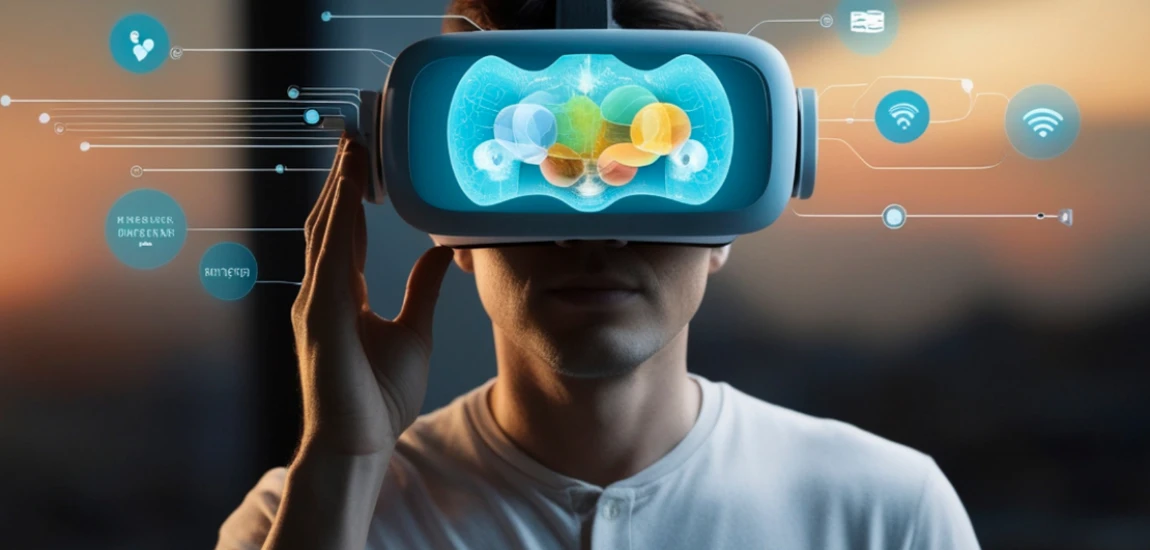
AI-driven reality synthesis and dynamic virtual world generation are revolutionizing how digital environments are created, experienced, and interacted with. Instead of relying on static designs and pre-programmed scenarios, modern artificial intelligence enables the creation of immersive worlds that evolve in real time based on user behavior, environmental inputs, and predictive algorithms. This transformation is particularly evident in industries such as gaming, virtual reality, education, and simulation, where users demand more personalized and engaging experiences. By combining machine learning, generative AI, and real-time rendering technologies, developers can now build worlds that are not only visually realistic but also responsive and adaptive. These AI-powered environments can simulate complex ecosystems, generate infinite landscapes, and create interactive narratives that feel organic and unique to each user. As a result, AI-driven virtual world generation is not just enhancing entertainment but also redefining training, collaboration, and digital interaction in profound ways.
Understanding AI-Driven Reality Synthesis

The Concept of Reality Synthesis
AI-driven reality synthesis refers to the process of using artificial intelligence to generate realistic digital environments that mimic or enhance the physical world. Unlike traditional computer graphics, which rely on manual design and predefined assets, reality synthesis leverages AI models to create environments dynamically. These systems analyze vast datasets, including images, videos, and spatial data, to generate lifelike scenes that adapt to user interactions. This approach allows for the creation of environments that feel authentic, immersive, and constantly evolving, making them ideal for applications such as virtual reality and simulation.
How AI Enhances Realism and Immersion
The realism achieved through AI-driven synthesis is made possible by advanced technologies such as neural rendering, generative adversarial networks (GANs), and procedural generation. These techniques enable systems to create detailed textures, realistic lighting, and dynamic weather conditions in real time. AI can also simulate physical behaviors, such as fluid dynamics and object interactions, enhancing the sense of immersion. By continuously learning from data, these systems improve their ability to replicate real-world phenomena, creating environments that are nearly indistinguishable from reality.
Key Differences from Traditional World Design
Traditional virtual world design involves significant manual effort, with developers creating assets and defining interactions in advance. In contrast, AI-driven reality synthesis automates much of this process, allowing environments to be generated and modified on the fly. This shift reduces development time and enables the creation of more complex and diverse worlds. Additionally, AI-driven systems can adapt to user behavior, creating personalized experiences that were not possible with traditional methods.
Core Technologies Behind Dynamic Virtual Worlds

Generative AI and Procedural Content Creation
Generative AI plays a central role in dynamic virtual world generation by enabling the creation of content that is both diverse and scalable. Through techniques such as procedural generation, AI can create landscapes, structures, and entire ecosystems without manual input. This approach allows developers to generate vast and varied environments that would be impossible to design manually. Generative models also enable the creation of unique assets, ensuring that each virtual world feels distinct and engaging.
Real-Time Rendering and Simulation Engines
Real-time rendering technologies are essential for delivering immersive virtual experiences. These systems use advanced graphics processing techniques to generate high-quality visuals at interactive speeds. When combined with AI, rendering engines can dynamically adjust lighting, textures, and environmental effects based on user interactions and system conditions. This capability ensures that virtual worlds remain responsive and visually consistent, even as they evolve in real time.
Machine Learning and Behavioral Adaptation
Machine learning enables virtual worlds to adapt to user behavior, creating more engaging and personalized experiences. By analyzing user actions and preferences, AI systems can modify environments, adjust difficulty levels, and generate new content that aligns with individual interests. This adaptability enhances user engagement and ensures that virtual experiences remain fresh and relevant over time.
Applications Across Industries

Gaming and Interactive Entertainment
The gaming industry is one of the primary beneficiaries of AI-driven reality synthesis. Developers are using AI to create expansive, open-world environments that evolve based on player actions. These dynamic worlds offer endless possibilities, allowing players to explore, interact, and shape their surroundings in meaningful ways. AI also enables the creation of intelligent non-player characters (NPCs) that respond realistically to player behavior, enhancing immersion and storytelling.
Education and Training Simulations
AI-driven virtual worlds are transforming education and training by providing realistic, interactive environments for learning. These systems can simulate complex scenarios, such as medical procedures or emergency situations, allowing users to practice and develop skills in a safe and controlled setting. The ability to adapt to user performance ensures that training experiences are personalized and effective.
Metaverse and Digital Collaboration
The concept of the metaverse relies heavily on AI-driven virtual world generation. These interconnected digital environments enable users to interact, collaborate, and socialize in immersive spaces. AI plays a crucial role in maintaining these environments, ensuring that they remain dynamic and responsive to user activity. This capability is essential for creating engaging and sustainable virtual communities.
Benefits of AI-Driven Virtual World Generation

Scalability and Efficiency
One of the most significant advantages of AI-driven virtual world generation is its scalability. Traditional methods of world-building are time-consuming and resource-intensive, limiting the size and complexity of virtual environments. AI automates much of this process, enabling the creation of vast worlds with minimal effort. This efficiency allows developers to focus on innovation and creativity rather than manual design tasks.
Personalization and User Engagement
AI-driven systems can tailor virtual experiences to individual users, creating highly personalized environments. By analyzing user behavior and preferences, these systems can generate content that aligns with user interests, enhancing engagement and satisfaction. This level of personalization is particularly valuable in applications such as gaming, education, and marketing.
Continuous Evolution and Innovation
Unlike static environments, AI-driven virtual worlds are capable of continuous evolution. These systems can generate new content, adapt to changing conditions, and improve over time. This capability ensures that virtual experiences remain dynamic and engaging, encouraging users to return and explore new possibilities.
Challenges and Ethical Considerations

Data Privacy and Security Risks
The development of AI-driven virtual worlds requires access to large amounts of data, raising concerns about privacy and security. Ensuring that user data is protected and used responsibly is essential for maintaining trust. Developers must implement robust security measures and adhere to data protection regulations to address these concerns.
Content Authenticity and Misinformation
AI-generated environments have the potential to blur the line between reality and fiction, raising questions about authenticity and misinformation. Ensuring that users can distinguish between real and synthetic content is crucial for preventing misuse. This challenge highlights the need for transparency and ethical guidelines in AI development.
Technical Complexity and Resource Demands
Creating and maintaining AI-driven virtual worlds requires significant computational resources and technical expertise. The complexity of these systems can pose challenges for developers, particularly in terms of scalability and performance. Addressing these challenges requires ongoing research and innovation in AI and computing technologies.


Gilbert Ott, the man behind "God Save the Points," specializes in travel deals and luxury travel. He provides expert advice on utilizing rewards and finding travel discounts.
Gilbert Ott
Prev Post

Next Post