
Cognitive Autonomous Systems and Self-Directed AI Evolution: The Future of Intelligent Machines
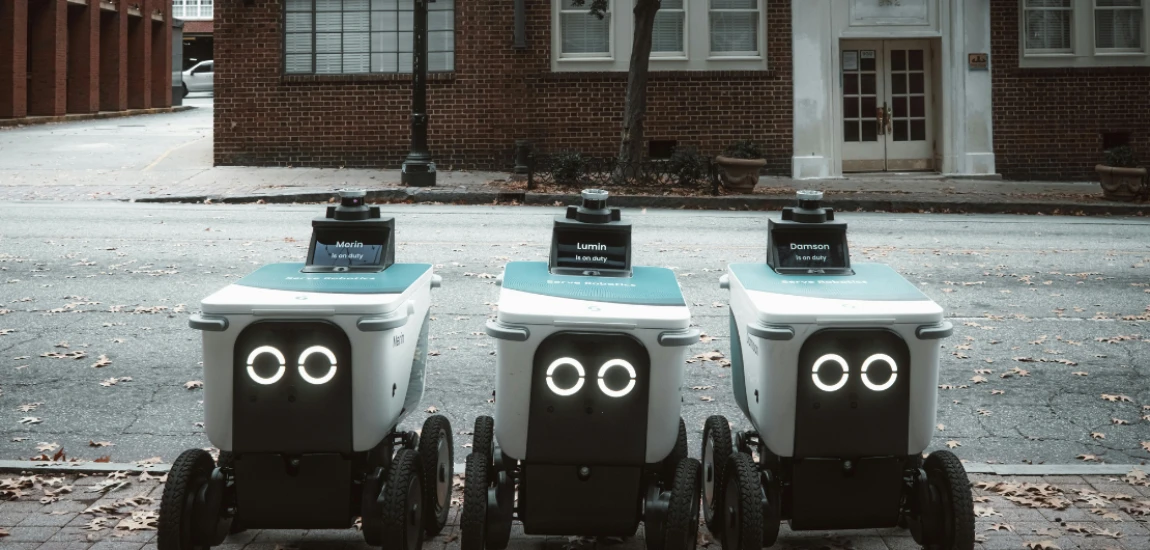
Cognitive autonomous systems and self-directed AI evolution are rapidly transforming the technological landscape, redefining how machines interact with the world and with humans. Unlike traditional systems that rely on fixed instructions, these advanced AI models possess the ability to perceive their environment, analyze complex data, make independent decisions, and continuously learn from their experiences. This shift from rule-based automation to intelligent autonomy marks a significant milestone in artificial intelligence development. As industries increasingly adopt these systems, they are unlocking new levels of efficiency, innovation, and adaptability. From self-driving vehicles navigating busy streets to intelligent healthcare systems predicting diseases before symptoms appear, cognitive autonomous systems are becoming deeply integrated into everyday life. At the same time, self-directed AI evolution ensures that these systems do not remain static but instead improve themselves over time, making them more capable and resilient in dynamic environments. This blog explores the foundational concepts, technologies, applications, challenges, and future trends of cognitive autonomous systems while providing valuable insights into how self-directed AI is shaping the future of intelligent machines.
Understanding Cognitive Autonomous Systems

What Are Cognitive Autonomous Systems?
Cognitive autonomous systems are intelligent technologies designed to operate independently by mimicking human cognitive abilities such as perception, reasoning, learning, and decision-making. These systems are capable of analyzing vast amounts of data from their surroundings and making informed decisions without constant human supervision. Unlike traditional automation systems that rely on predefined instructions, cognitive systems adapt to changing conditions and improve their performance over time. They integrate advanced technologies like machine learning, artificial neural networks, and data analytics to achieve a level of intelligence that enables them to function in complex and unpredictable environments. This adaptability makes them particularly useful in fields such as robotics, transportation, and digital services, where real-time decision-making is critical.
Key Components of Cognitive Intelligence
The functionality of cognitive autonomous systems depends on a combination of interconnected components that work together seamlessly. These include perception systems that gather data through sensors and inputs, processing units that interpret and analyze the data, and decision-making engines that determine the best course of action based on available information. Additionally, learning mechanisms allow these systems to improve over time by identifying patterns and adjusting their behavior accordingly. The integration of these components creates a system that is not only reactive but also proactive, capable of anticipating future scenarios and responding effectively.
Difference Between Automation and Autonomy
The distinction between automation and autonomy is crucial in understanding the evolution of intelligent systems. Automation involves performing tasks based on predefined rules, often requiring human intervention when unexpected situations arise. In contrast, autonomy enables systems to make independent decisions and adapt to new circumstances without external input. Cognitive autonomous systems go beyond simple task execution by incorporating learning and reasoning capabilities, allowing them to handle complex scenarios with minimal supervision. This shift represents a move toward more intelligent and flexible systems that can operate effectively in dynamic environments.
The Concept of Self-Directed AI Evolution

What Is Self-Directed AI Evolution?
Self-directed AI evolution refers to the ability of artificial intelligence systems to improve themselves over time without explicit human intervention. This process involves analyzing performance, identifying inefficiencies, and making adjustments to algorithms and decision-making strategies. Inspired by natural evolution, self-directed AI systems continuously adapt to their environment, becoming more efficient and effective with each iteration. This capability allows AI to remain relevant and useful even as conditions change, making it a powerful tool for long-term innovation.
Mechanisms Behind AI Evolution
The evolution of AI systems is driven by several advanced mechanisms that enable continuous improvement. Reinforcement learning allows systems to learn from experience by receiving feedback in the form of rewards or penalties, guiding them toward optimal behavior. Neural architecture search enables AI to design its own network structures for improved performance, while genetic algorithms simulate evolutionary processes by selecting the most effective solutions over multiple iterations. These mechanisms work together to create systems that are capable of self-optimization and adaptation, ensuring that they can handle increasingly complex tasks.
Benefits of Self-Evolving AI Systems
Self-directed AI evolution offers significant advantages in terms of efficiency, adaptability, and scalability. These systems can continuously improve their performance without requiring constant updates from developers, reducing maintenance efforts and costs. They are also capable of adapting to new challenges and environments, making them highly versatile and resilient. Furthermore, self-evolving AI systems can drive innovation by discovering new solutions and optimizing processes in ways that may not be immediately apparent to human designers.
Core Technologies Powering Cognitive Autonomous Systems

Machine Learning and Deep Learning
Machine learning and deep learning are fundamental to the operation of cognitive autonomous systems, providing the foundation for data-driven decision-making and continuous improvement. Machine learning enables systems to learn from data by identifying patterns and making predictions, while deep learning uses complex neural networks to process large volumes of unstructured data such as images, speech, and text. These technologies allow cognitive systems to understand their environment, recognize patterns, and make informed decisions with a high degree of accuracy.
Natural Language Processing (NLP)
Natural language processing plays a crucial role in enabling communication between humans and machines. By understanding and interpreting human language, cognitive systems can interact with users in a more natural and intuitive manner. NLP allows systems to analyze text, recognize speech, and generate meaningful responses, making it an essential component of applications such as virtual assistants, chatbots, and customer service platforms. This capability enhances user experience and expands the potential applications of cognitive autonomous systems.
Edge Computing and IoT Integration
Edge computing and the Internet of Things (IoT) are key technologies that enhance the performance and efficiency of cognitive autonomous systems. Edge computing allows data to be processed closer to the source, reducing latency and enabling real-time decision-making. When combined with IoT devices, cognitive systems can collect and analyze data from a wide range of sources, creating a more comprehensive understanding of their environment. This integration supports applications such as smart cities, industrial automation, and connected healthcare systems.
Applications Across Industries

Healthcare and Medical Innovation
Cognitive autonomous systems are revolutionizing the healthcare industry by enabling more accurate diagnoses, personalized treatments, and predictive analytics. These systems can analyze patient data, identify potential health risks, and recommend appropriate interventions, improving patient outcomes and reducing healthcare costs. Advanced AI-powered tools are also being used in medical imaging, drug discovery, and robotic surgery, enhancing precision and efficiency in healthcare delivery.
Autonomous Vehicles and Transportation
The transportation sector is experiencing significant transformation through the adoption of cognitive autonomous systems. Self-driving vehicles use a combination of sensors, cameras, and AI algorithms to navigate complex environments, avoid obstacles, and make real-time decisions. These systems have the potential to reduce traffic accidents, improve traffic flow, and enhance mobility for individuals who are unable to drive. The development of autonomous transportation represents a major step toward smarter and safer mobility solutions.
Business Automation and Smart Enterprises
Businesses are leveraging cognitive autonomous systems to improve efficiency, optimize operations, and enhance decision-making processes. These systems can analyze large datasets, identify trends, and provide actionable insights, enabling organizations to make informed decisions. Applications include supply chain management, customer service automation, and financial analysis, all of which contribute to increased productivity and competitiveness in the marketplace.
Challenges and Ethical Considerations

Data Privacy and Security Concerns
As cognitive autonomous systems rely heavily on data, ensuring privacy and security is a critical concern. These systems often handle sensitive information, making them potential targets for cyberattacks and data breaches. Organizations must implement robust security measures, including encryption and access controls, to protect user data and maintain trust. Compliance with data protection regulations is also essential to ensure ethical and responsible use of AI technologies.
Bias and Fairness in AI Systems
Bias in AI systems is a significant challenge that can lead to unfair or discriminatory outcomes. Cognitive autonomous systems learn from data, and if that data contains biases, the system may replicate or even amplify them. Addressing this issue requires the use of diverse datasets, continuous monitoring, and the implementation of bias detection and mitigation strategies. Ensuring fairness and transparency is essential for building trust in AI systems.
Accountability and Control Issues
The increasing autonomy of AI systems raises important questions about accountability and control. When a system makes a decision independently, it can be difficult to determine who is responsible for the outcome. This highlights the need for clear governance frameworks and regulations that define roles and responsibilities. Maintaining a balance between autonomy and human oversight is crucial to ensure that AI systems are used safely and ethically.
Future Trends in Cognitive Autonomous Systems

AI-Human Collaboration
The future of cognitive autonomous systems lies in collaboration between humans and machines rather than replacement. These systems are designed to augment human capabilities, enabling individuals to focus on creative and strategic tasks while AI handles repetitive and complex processes. This collaboration has the potential to increase productivity, improve decision-making, and drive innovation across various industries.
Self-Improving AI Ecosystems
The development of interconnected AI ecosystems represents a significant trend in the evolution of cognitive autonomous systems. In these ecosystems, multiple AI systems work together, sharing data and insights to improve overall performance. This collaborative approach enables faster learning and more efficient problem-solving, creating a network of intelligent systems that continuously evolve and adapt.
Towards Artificial General Intelligence (AGI)
Artificial general intelligence represents the ultimate goal of AI research, where machines possess the ability to understand, learn, and apply knowledge across a wide range of tasks. While current systems are designed for specific applications, AGI aims to achieve human-like cognitive abilities, enabling machines to perform complex tasks with minimal guidance. Although still in development, AGI has the potential to revolutionize industries and redefine the relationship between humans and technology.


Derek Baron, also known as "Wandering Earl," offers an authentic look at long-term travel. His blog contains travel stories, tips, and the realities of a nomadic lifestyle.
Derek Baron

Prev Post

Next Post