
AI-Driven Oceanic Exploration Systems and Deep-Sea Environmental Analytics Frameworks
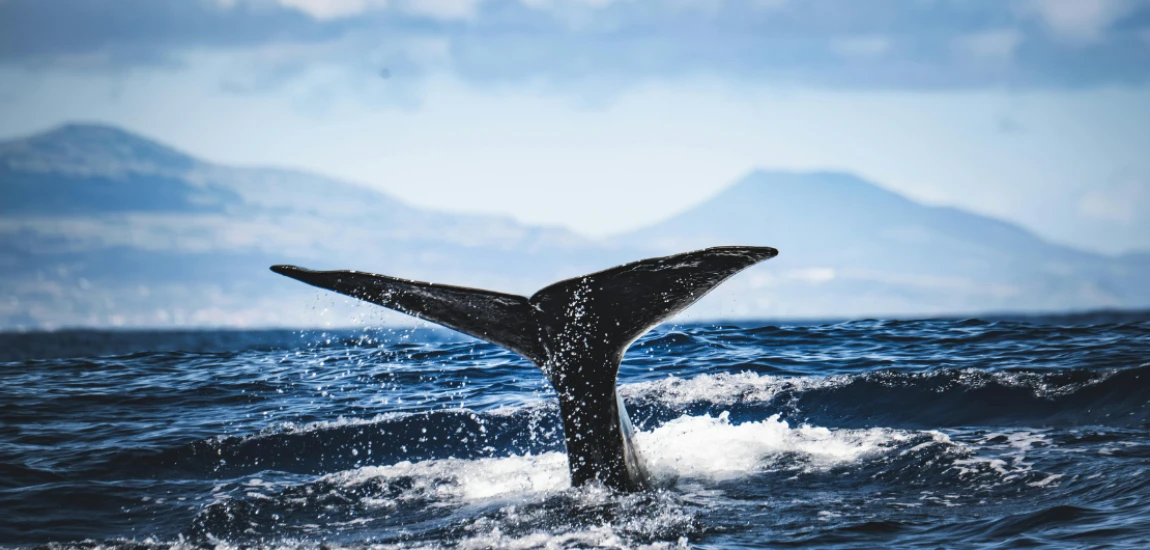
The world’s oceans cover more than seventy percent of the Earth’s surface, yet a significant portion of the deep sea remains unexplored. Advancements in artificial intelligence, robotics, and environmental analytics are changing how scientists study underwater ecosystems. AI-driven oceanic exploration systems are enabling researchers to collect, process, and analyze massive volumes of marine data with remarkable speed and accuracy.
Traditional ocean exploration methods often face limitations related to cost, depth, environmental hazards, and human safety. Modern AI-powered technologies now provide autonomous underwater vehicles, intelligent sensor networks, and predictive environmental analytics frameworks capable of operating in extreme oceanic conditions. These systems are transforming marine science, climate monitoring, resource management, and biodiversity conservation.
Deep-sea environmental analytics frameworks integrate machine learning, real-time data processing, and underwater robotics to understand marine ecosystems more effectively. Governments, research institutions, and private organizations are increasingly investing in intelligent ocean exploration systems to monitor climate change, identify ecological threats, and discover new marine resources.
As technological innovation continues accelerating, AI-driven marine systems are becoming essential tools for sustainable ocean management and environmental protection.
Understanding AI-Driven Oceanic Exploration Systems

AI-driven oceanic exploration systems combine artificial intelligence, autonomous robotics, underwater sensors, and advanced data analytics to explore and monitor marine environments efficiently.
Artificial Intelligence in Marine Exploration
Artificial intelligence enables underwater systems to analyze oceanic environments without continuous human intervention. Machine learning algorithms process large datasets collected from sonar systems, underwater cameras, and environmental sensors to identify patterns and anomalies.
AI-powered systems can recognize marine species, detect underwater geological formations, and predict environmental changes with high accuracy. These intelligent systems improve exploration efficiency while reducing operational risks associated with deep-sea missions.
By automating complex analytical tasks, AI allows scientists to focus on strategic research objectives instead of manual data processing. This capability significantly accelerates scientific discoveries in marine biology, geology, and climate science.
Autonomous Underwater Vehicles
Autonomous underwater vehicles, commonly known as AUVs, are among the most advanced tools used in oceanic exploration. These robotic systems operate independently beneath the ocean surface while collecting environmental and geological data.
AI enhances AUV navigation by enabling real-time obstacle detection, adaptive route planning, and autonomous decision-making. Intelligent underwater robots can explore extreme ocean depths that are inaccessible or dangerous for human divers.
AUVs are widely used for seabed mapping, underwater infrastructure inspection, military surveillance, and marine ecosystem monitoring. Their ability to operate continuously for extended periods makes them valuable for long-term environmental research missions.
Smart Ocean Sensor Networks
Modern ocean exploration relies heavily on interconnected sensor networks that gather environmental information continuously. These sensors monitor water temperature, salinity, pressure, chemical composition, and ocean currents.
AI-driven analytics frameworks process this sensor data in real time to detect ecological changes and environmental threats. Intelligent marine monitoring systems can identify pollution sources, harmful algal blooms, and abnormal oceanic conditions quickly.
Smart sensor networks also improve climate modeling by providing accurate oceanographic data essential for understanding global environmental changes.
Deep-Sea Environmental Analytics Frameworks

Deep-sea environmental analytics frameworks use advanced computational systems to process and interpret complex marine data collected from underwater exploration technologies.
Big Data Processing in Marine Science
Ocean exploration generates enormous volumes of environmental data daily. Traditional analytical methods struggle to process this information efficiently, making AI-powered big data frameworks essential for modern marine science.
Machine learning algorithms rapidly analyze underwater imagery, sonar readings, and sensor data to identify patterns that humans might overlook. AI systems can classify marine organisms, detect environmental anomalies, and predict ecological trends with exceptional precision.
Big data analytics enables researchers to gain deeper insights into ocean ecosystems, biodiversity distribution, and underwater geological activity. This information supports scientific discoveries and evidence-based environmental decision-making.
Predictive Ocean Environmental Modeling
Predictive analytics frameworks use AI algorithms to forecast oceanic conditions and environmental changes. These systems analyze historical and real-time data to model climate impacts, ocean circulation patterns, and ecosystem behavior.
Predictive marine models help researchers anticipate coral bleaching events, fish migration patterns, and severe oceanic disturbances. Governments and environmental organizations use these insights to develop conservation strategies and disaster preparedness plans.
AI-powered environmental forecasting also supports sustainable fisheries management by predicting population fluctuations and identifying overfishing risks before ecological damage occurs.
Real-Time Marine Data Visualization
Visualization technologies are essential for interpreting complex underwater datasets effectively. AI-driven visualization platforms convert raw marine data into interactive maps, graphical models, and real-time monitoring dashboards.
Scientists use these visual tools to track underwater activity, monitor environmental changes, and coordinate exploration missions more efficiently. Real-time data visualization improves collaboration between marine researchers, policymakers, and environmental agencies.
Advanced visualization systems also support public awareness initiatives by presenting marine environmental data in accessible and engaging formats.
Applications of AI in Oceanic Exploration and Marine Conservation

AI-driven oceanic exploration systems are transforming multiple sectors related to marine research, conservation, and resource management.
Marine Biodiversity Monitoring
Protecting marine biodiversity is one of the most important applications of AI-powered exploration systems. Intelligent underwater monitoring technologies help researchers identify species populations, habitat conditions, and ecosystem health indicators.
AI image recognition systems automatically classify marine organisms captured by underwater cameras. These systems significantly reduce the time required for biodiversity assessments while improving data accuracy.
Marine conservation organizations use AI analytics to monitor endangered species, detect illegal fishing activities, and evaluate the effectiveness of protected marine zones.
Climate Change and Ocean Monitoring
The oceans play a critical role in regulating Earth’s climate. AI-powered environmental analytics frameworks help scientists understand how climate change affects marine ecosystems and ocean circulation.
Underwater sensor networks collect real-time data related to sea temperature, carbon absorption, ice melting, and ocean acidification. AI systems analyze this information to identify long-term environmental trends and climate risks.
Climate researchers use these insights to improve global climate models and develop strategies for reducing environmental damage caused by rising temperatures and greenhouse gas emissions.
Offshore Energy and Resource Exploration
AI-driven marine exploration systems also support offshore energy production and underwater resource management. Oil, gas, and renewable energy industries use intelligent robotics for seabed analysis and underwater infrastructure inspections.
Autonomous underwater vehicles inspect pipelines, offshore platforms, and subsea cables while reducing operational costs and safety risks. AI-powered predictive maintenance systems identify structural issues before equipment failures occur.
Additionally, marine exploration technologies assist in identifying sustainable deep-sea mineral resources while minimizing environmental impact through precise environmental monitoring.
Benefits of AI-Driven Oceanic Exploration Systems

The integration of artificial intelligence into marine exploration provides numerous scientific, environmental, and operational advantages.
Enhanced Exploration Efficiency
AI significantly improves the speed and accuracy of underwater exploration missions. Intelligent systems process data rapidly, enabling researchers to make informed decisions in real time.
Autonomous robotic systems can operate continuously in harsh marine environments without fatigue or safety concerns. This efficiency allows scientists to explore larger ocean regions more effectively than traditional methods.
Faster data collection and analysis also accelerate scientific discoveries and environmental research initiatives worldwide.
Improved Environmental Protection
AI-powered analytics frameworks enhance environmental monitoring and marine conservation efforts. Early detection systems identify pollution events, ecosystem disturbances, and illegal activities before severe environmental damage occurs.
Governments and conservation organizations use AI-generated insights to implement sustainable resource management policies and marine protection strategies. Real-time monitoring supports rapid environmental response actions during ecological emergencies.
Improved environmental intelligence helps preserve marine biodiversity and protect vulnerable ecosystems from human-induced threats.
Reduced Operational Costs and Risks
Traditional deep-sea exploration missions often involve expensive vessels, specialized equipment, and significant safety risks. AI-driven robotic systems reduce the need for human divers and manual operations in dangerous underwater environments.
Autonomous systems lower operational costs by improving efficiency and minimizing resource consumption. Predictive maintenance analytics also reduce equipment failures and unexpected repair expenses.
These cost-saving advantages make advanced marine exploration technologies more accessible to research institutions and environmental organizations.


Known as "Nomadic Matt," Matthew Kepnes offers practical travel advice with a focus on budget backpacking. His blog aims to help people travel cheaper and longer.
Matthew Kepnes
Prev Post

Next Post