
AI-Driven Healthcare Intelligence Systems and Predictive Patient Monitoring Platforms
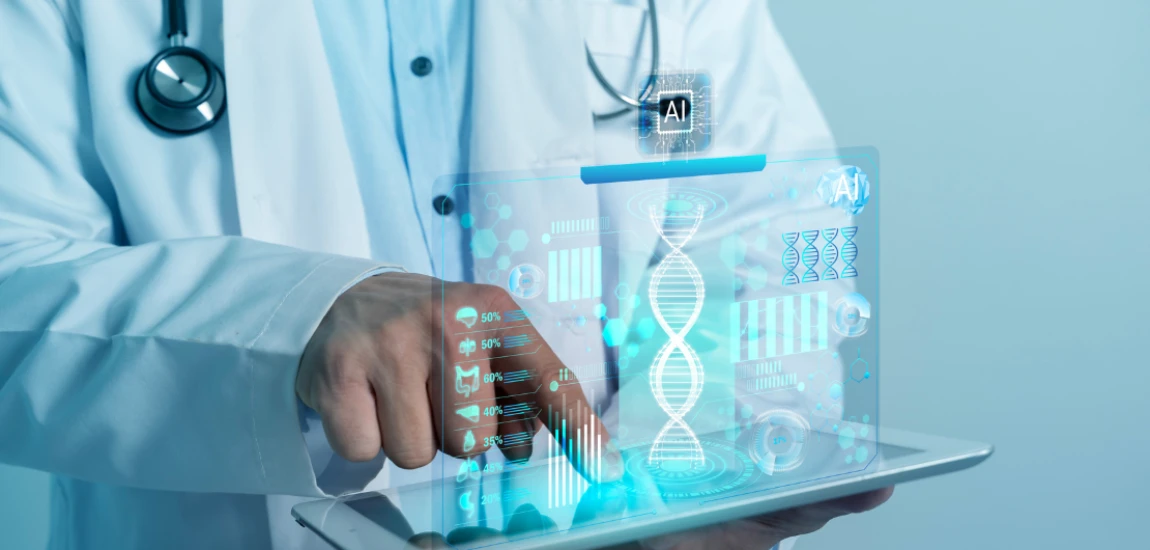
The healthcare industry is undergoing a profound transformation driven by artificial intelligence and advanced data analytics. AI-driven healthcare intelligence systems and predictive patient monitoring platforms are at the forefront of this revolution, enabling more accurate diagnoses, personalized treatments, and proactive patient care. These technologies leverage machine learning, real-time data, and connected devices to monitor patient health continuously and predict potential issues before they become critical. As hospitals and healthcare providers strive to improve efficiency and patient outcomes, AI-powered systems are becoming essential tools in modern medical practice. This blog explores how these systems work, their key components, applications, challenges, and future potential in reshaping healthcare delivery.
Understanding AI-Driven Healthcare Intelligence Systems

What Are Healthcare Intelligence Systems
AI-driven healthcare intelligence systems are advanced platforms that use artificial intelligence, machine learning, and big data analytics to improve healthcare delivery. These systems analyze vast amounts of medical data, including patient records, imaging results, and real-time health metrics, to generate actionable insights. Unlike traditional healthcare systems that rely on manual processes, AI-driven systems automate data analysis, enabling faster and more accurate decision-making.
These systems are designed to assist healthcare professionals in diagnosing diseases, recommending treatments, and predicting patient outcomes. By integrating multiple data sources, they provide a comprehensive view of patient health, allowing for more informed decisions.
Evolution of AI in Healthcare
The use of AI in healthcare has evolved significantly over the years. Initially, AI was used for basic data analysis and administrative tasks. However, advancements in machine learning and deep learning have expanded its capabilities. Today, AI systems can analyze complex medical data, detect patterns, and make predictions with high accuracy.
The integration of AI with technologies such as IoT and cloud computing has further enhanced its potential. Healthcare providers can now access real-time data and insights, enabling more proactive and personalized care.
Importance in Modern Healthcare
AI-driven healthcare intelligence systems play a crucial role in improving patient outcomes and reducing healthcare costs. They enable early detection of diseases, optimize treatment plans, and enhance operational efficiency. As healthcare systems become more complex, the need for intelligent solutions continues to grow.
Predictive Patient Monitoring Platforms

What Is Predictive Monitoring
Predictive patient monitoring platforms are systems that use AI algorithms to analyze patient data and predict potential health issues. These platforms continuously monitor vital signs, such as heart rate, blood pressure, and oxygen levels, to identify patterns and detect anomalies.
By predicting health risks վաղ, these systems enable healthcare providers to intervene early, preventing complications and improving patient outcomes. Predictive monitoring is particularly valuable for patients with chronic conditions or those in critical care.
Real-Time Data Collection and Analysis
One of the key features of predictive monitoring platforms is real-time data collection. Wearable devices, sensors, and medical equipment continuously gather patient data, which is then analyzed by AI algorithms. This real-time analysis allows for immediate detection of changes in patient condition.
Healthcare providers can receive alerts and notifications, enabling them to take timely action. This reduces the risk of emergencies and improves overall patient care.
Benefits of Predictive Monitoring
Predictive monitoring offers several benefits, including early detection of health issues, reduced hospital readmissions, and improved patient outcomes. It also enhances patient engagement by providing continuous feedback on health status.
Core Technologies Behind AI Healthcare Systems

Machine Learning and Deep Learning
Machine learning and deep learning are the backbone of AI-driven healthcare systems. These technologies enable systems to learn from data and improve their performance over time. They can analyze complex medical data, identify patterns, and make predictions with high accuracy.
Deep learning models are particularly effective in analyzing medical images and detecting diseases such as cancer.
IoT and Wearable Devices
IoT and wearable devices play a crucial role in data collection. Devices such as smartwatches and fitness trackers monitor vital signs and transmit data to healthcare systems. This continuous data flow enables real-time monitoring and analysis.
Cloud Computing and Data Integration
Cloud computing provides the infrastructure needed to store and process large volumes of data. It enables healthcare providers to access data and insights from anywhere, improving collaboration and decision-making.
Applications in Healthcare

Chronic Disease Management
AI-driven systems are widely used in managing chronic diseases such as diabetes and heart disease. They monitor patient health continuously and provide personalized recommendations.
Emergency and Critical Care
In emergency situations, predictive monitoring platforms can detect early warning signs and alert healthcare providers. This enables দ্রুত intervention and improves survival rates.
Personalized Medicine
AI enables personalized treatment plans based on individual patient data. This improves treatment effectiveness and reduces side effects.


Anil Polat, behind the blog "FoxNomad," combines technology and travel. A computer security engineer by profession, he focuses on the tech aspects of travel.
Anil Polat

Prev Post

Next Post