
AI-Driven Digital Consciousness Models and Synthetic Mind Simulation Architectures

AI-driven digital consciousness models are rapidly pushing the boundaries of artificial intelligence by introducing systems that simulate human-like awareness, cognition, and adaptive reasoning. Unlike conventional AI, which is task-specific, these advanced systems are designed to mimic the complexities of the human mind through synthetic mind simulation architectures. By integrating deep learning, cognitive science, and real-time data processing, these models enable machines to perceive, learn, and make decisions in dynamic environments. As industries seek smarter automation and more intuitive systems, digital consciousness models are emerging as a transformative innovation, reshaping fields such as healthcare, robotics, virtual environments, and intelligent decision-making.
Understanding AI-Driven Digital Consciousness Models

What Are Digital Consciousness Models
AI-driven digital consciousness models are advanced computational frameworks designed to replicate aspects of human cognition such as awareness, perception, reasoning, and learning. These systems aim to simulate how humans process information and respond to their surroundings, creating machines that behave in a more natural and intelligent way. Unlike traditional AI systems that are built for narrow tasks, digital consciousness models are designed to handle complex, multi-dimensional problems.
These models function by integrating sensory inputs, contextual understanding, and adaptive learning mechanisms. They process data continuously, creating internal representations that allow them to “understand” their environment. This enables more human-like interactions and decision-making capabilities, which are essential in dynamic and unpredictable scenarios.
Core Components of Conscious AI Systems
Digital consciousness systems consist of multiple interconnected components that work together to simulate cognitive processes. These include perception modules, memory systems, reasoning engines, and learning algorithms. Perception modules gather and interpret data, while memory systems store and retrieve information for future use.
Reasoning engines analyze this information to make decisions, and learning algorithms continuously improve system performance. Some advanced systems also incorporate emotional modeling and contextual awareness, allowing them to respond more effectively to human interactions and complex environments.
Differences from Traditional AI Models
Traditional AI models are typically limited to specific tasks such as image recognition or data analysis. In contrast, digital consciousness models aim to replicate a broader range of cognitive functions. They are capable of continuous learning, contextual understanding, and adaptive behavior.
This makes them more versatile and effective in real-world applications. The shift from narrow AI to more generalized cognitive systems represents a significant advancement in the field, enabling machines to operate with greater autonomy and intelligence.
Synthetic Mind Simulation Architectures Explained

What Are Synthetic Mind Architectures
Synthetic mind simulation architectures are the structural frameworks that enable the development of digital consciousness models. These architectures define how different components of the system interact, process information, and generate outputs. They are designed to mimic the structure and functionality of the human brain, including neural pathways and cognitive processes.
By combining multiple layers of computation, synthetic mind architectures enable systems to process information at different levels, from basic sensory input to complex reasoning and decision-making. This layered approach allows for more efficient and effective operation.
Cognitive Layering and Modular Design
Cognitive layering is a key feature of synthetic mind architectures. It involves organizing the system into different layers, each responsible for specific functions such as perception, memory, and reasoning. This hierarchical structure allows the system to process information more efficiently and adapt to different tasks.
Modular design enhances flexibility by allowing individual components to be updated or replaced without affecting the entire system. This makes it easier to scale and improve the system over time, ensuring long-term adaptability and performance.
Role of Neural Networks and Cognitive Frameworks
Neural networks play a central role in synthetic mind simulation architectures by enabling machines to learn from data and improve their performance. These networks are inspired by the human brain and are capable of processing complex patterns and relationships.
Cognitive frameworks, based on principles from neuroscience and psychology, provide a blueprint for simulating human-like thinking. By combining neural networks with cognitive models, synthetic mind architectures can achieve higher levels of intelligence and adaptability.
Key Technologies Enabling Digital Consciousness

Deep Learning and Neural Computation
Deep learning is a foundational technology for digital consciousness models, enabling systems to process large volumes of data and identify intricate patterns. Neural computation mimics the way the human brain processes information, allowing machines to learn and adapt more efficiently.
These technologies are essential for tasks such as image recognition, speech processing, and decision-making, forming the backbone of advanced AI systems.
Natural Language Processing and Interaction
Natural language processing enables machines to understand and generate human language, facilitating more natural and intuitive interactions. Advanced NLP systems can interpret context, detect emotions, and generate meaningful responses.
This enhances the usability and effectiveness of digital consciousness systems, making them more accessible across various applications.
Real-Time Data Processing and Adaptive Learning
Real-time data processing allows systems to respond instantly to changes in their environment, while adaptive learning enables continuous improvement. These capabilities are crucial for operating in dynamic and unpredictable conditions.
By combining real-time processing with adaptive learning, digital consciousness models can evolve over time, becoming more intelligent and efficient.
Applications of AI-Driven Digital Consciousness Models

Healthcare and Cognitive Assistance
In healthcare, digital consciousness models are used to develop intelligent diagnostic tools and cognitive assistants. These systems can analyze complex medical data, identify patterns, and provide recommendations to healthcare professionals.
They also support patients through personalized care and real-time monitoring, improving outcomes and efficiency.
Virtual Environments and Digital Humans
Digital consciousness models enable the creation of realistic virtual environments and digital humans that can simulate human behavior and interactions. These systems are widely used in gaming, training, and customer service.
They provide immersive experiences and enhance user engagement by offering more natural and responsive interactions.
Robotics and Autonomous Systems
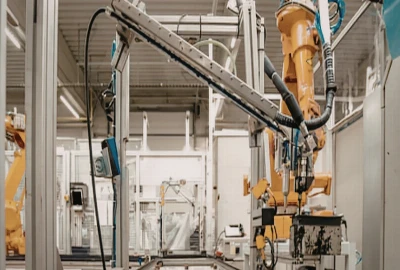
In robotics, digital consciousness models enable machines to operate autonomously and adapt to new situations. They can perceive their environment, make decisions, and perform tasks with minimal human intervention.
This is particularly valuable in industries such as manufacturing, logistics, and exploration, where efficiency and adaptability are critical.
Challenges and Ethical Considerations

Complexity and Computational Demands
Digital consciousness models are highly complex and require significant computational resources. Developing and maintaining these systems can be costly and time-consuming.
Optimizing performance while managing resource constraints remains a major challenge for researchers and developers.
Ethical Implications of Synthetic Minds
The development of synthetic minds raises important ethical questions regarding autonomy, accountability, and potential misuse. There are concerns about how these systems should be regulated and what rights, if any, they should have.
Addressing these issues is essential to ensure responsible and ethical use of the technology.
Data Privacy and Security Concerns
These systems rely on large amounts of data, raising concerns about privacy and security. Protecting sensitive information and ensuring secure communication is critical.
Robust security measures and regulations are needed to prevent misuse and safeguard user data.


Anil Polat, behind the blog "FoxNomad," combines technology and travel. A computer security engineer by profession, he focuses on the tech aspects of travel.
Anil Polat
Prev Post

Next Post