
Autonomous Swarm Robotics Systems and Collective Machine Coordination Frameworks
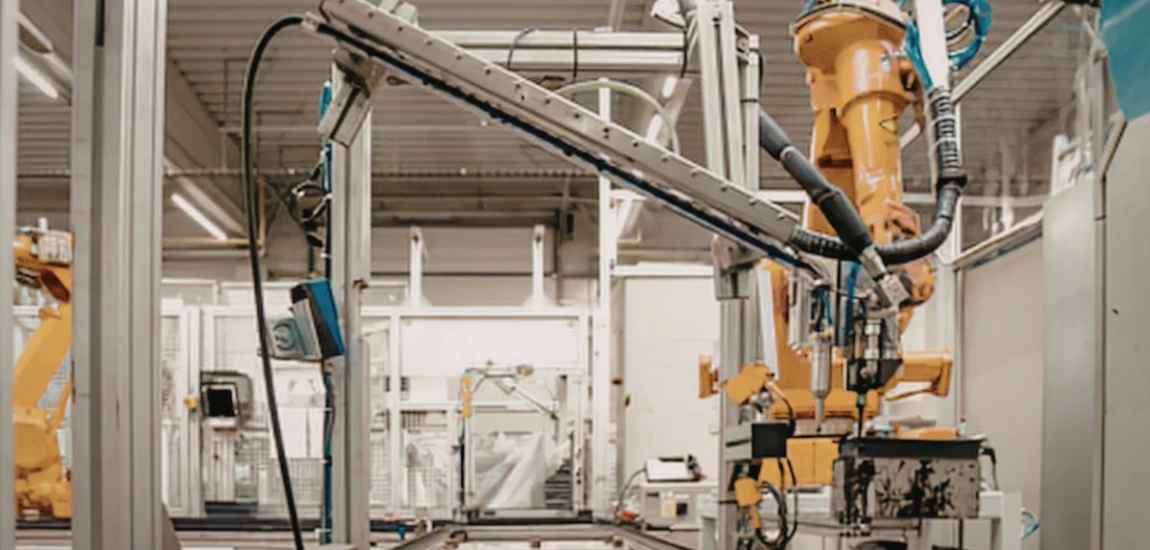
Autonomous swarm robotics systems are rapidly emerging as one of the most transformative innovations in modern robotics and artificial intelligence. Inspired by natural systems such as ant colonies, bird flocks, and bee swarms, these systems rely on decentralized coordination and collective intelligence to perform complex tasks efficiently. Unlike traditional robotic systems that depend on centralized control, swarm robotics operates through distributed decision-making, where each robot acts independently while contributing to a shared objective. This unique approach enables enhanced scalability, fault tolerance, and adaptability in dynamic environments. As industries increasingly demand flexible, resilient, and cost-effective automation solutions, autonomous swarm robotics systems are becoming a cornerstone of innovation across sectors such as logistics, agriculture, disaster management, and environmental monitoring.
Introduction to Autonomous Swarm Robotics Systems

What Are Swarm Robotics Systems
Autonomous swarm robotics systems consist of multiple robots working together without centralized control to achieve a common goal. Each robot operates using simple rules, yet their interactions produce complex, intelligent behavior at the system level. This concept is rooted in swarm intelligence, where collective behavior emerges from local interactions among individual agents.
These systems are highly adaptive, allowing them to function in unpredictable and dynamic environments. Because there is no single point of control, swarm robotics systems are inherently robust. If one robot fails, others can continue functioning without disrupting the entire operation. This makes them particularly useful in critical scenarios where reliability is essential.
Core Characteristics of Swarm Intelligence
Swarm robotics systems are defined by key characteristics such as decentralization, scalability, flexibility, and robustness. Decentralization eliminates reliance on a central authority, enabling distributed control. Scalability allows the system to expand or shrink without affecting performance.
Flexibility ensures that swarm robots can perform various tasks, while robustness allows them to withstand failures and environmental uncertainties. Local communication among robots plays a vital role, enabling efficient coordination without overwhelming the system with data.
Importance in Modern Technology
The growing complexity of real-world problems has increased the demand for intelligent systems capable of adaptive behavior. Swarm robotics addresses this need by offering a scalable and efficient approach to automation. From warehouse management to surveillance and environmental monitoring, these systems are reshaping how tasks are executed in modern industries.
Collective Machine Coordination Frameworks Explained

Understanding Coordination Frameworks
Collective machine coordination frameworks define how robots within a swarm communicate, collaborate, and make decisions. These frameworks are essential for ensuring that individual robots work together harmoniously despite the absence of centralized control.
They include communication protocols, decision-making algorithms, and task allocation strategies that allow the swarm to function as a cohesive unit. These frameworks are designed to adapt to changing conditions, ensuring efficient operation in dynamic environments.
Distributed Decision-Making Models
Distributed decision-making is a core component of swarm robotics systems. Each robot processes information locally and makes decisions based on its environment and interactions with nearby robots. This approach enhances system resilience and scalability.
By eliminating the need for a central controller, distributed decision-making reduces bottlenecks and enables faster response times. It also ensures that the system continues to function even if some robots fail or lose connectivity.
Communication Mechanisms in Swarms
Communication is vital for coordination within a swarm. Robots use direct communication, indirect communication (stigmergy), or a combination of both to share information. Stigmergy involves modifying the environment to signal other robots, which is particularly useful in low-connectivity scenarios.
These communication methods enable efficient information exchange while minimizing resource usage. They also allow swarm systems to operate in environments where traditional communication infrastructure is unavailable.
Key Technologies Powering Swarm Robotics

Artificial Intelligence and Machine Learning
Artificial intelligence and machine learning are fundamental to enabling autonomous behavior in swarm robotics systems. These technologies allow robots to learn from experience, adapt to new situations, and optimize their performance over time.
Machine learning algorithms help robots with navigation, object recognition, and decision-making. Reinforcement learning, in particular, enables robots to improve their actions based on feedback from their environment, making the swarm more efficient and intelligent.
Sensor Networks and IoT Integration
Sensors play a crucial role in collecting environmental data, which is essential for decision-making in swarm robotics systems. These sensors provide information about obstacles, temperature, movement, and other factors.
Integration with the Internet of Things (IoT) enhances the capabilities of swarm robots by enabling connectivity with other devices and systems. This creates a more comprehensive and intelligent network, allowing for better coordination and data sharing.
Edge Computing and Real-Time Processing
Edge computing allows data to be processed locally on each robot, reducing latency and improving response times. This is critical for real-time decision-making in dynamic environments.
By minimizing reliance on centralized systems, edge computing enhances scalability and efficiency. It also enables swarm robots to operate independently, making them more resilient and adaptable.
Applications of Autonomous Swarm Robotics Systems

Industrial Automation and Logistics
Swarm robotics systems are transforming industrial automation and logistics by enabling efficient and flexible operations. In warehouses, swarms of robots can manage inventory, transport goods, and optimize workflows.
These systems can operate continuously and adapt to changing demands, improving productivity and reducing costs. Their ability to coordinate tasks dynamically makes them ideal for complex industrial environments.
Agriculture and Environmental Monitoring
In agriculture, swarm robots are used for planting, monitoring crops, and controlling pests. They can cover large areas efficiently and collect valuable data to improve farming practices.
Environmental monitoring is another important application. Swarm robots can track wildlife, monitor pollution, and analyze ecosystems. Their ability to operate in remote and challenging environments makes them highly effective for these tasks.
Disaster Response and Search Operations
Swarm robotics systems are invaluable in disaster response scenarios. They can quickly deploy to affected areas and perform search and rescue operations, damage assessment, and resource distribution.
Their decentralized nature allows them to function even when communication infrastructure is damaged. By working together, swarm robots can cover large areas efficiently and locate survivors more quickly.
Challenges and Limitations in Swarm Robotics

Scalability and Coordination Issues
While swarm robotics systems are designed to be scalable, managing large numbers of robots presents challenges. As the swarm grows, coordination becomes more complex, and maintaining efficient communication can be difficult.
Developing algorithms that balance scalability and performance is a major focus of ongoing research in this field.
Security and Reliability Concerns
Security is a critical concern in swarm robotics systems. These systems are vulnerable to cyber threats and interference, which can disrupt communication and coordination.
Ensuring reliability in unpredictable environments is also a challenge. Advanced testing and robust system design are required to maintain consistent performance.
Ethical and Regulatory Challenges
The use of swarm robotics raises ethical and regulatory concerns, particularly in areas such as surveillance and military applications. Issues related to privacy, accountability, and misuse of technology must be addressed.
Policymakers and industry leaders must work together to establish guidelines that ensure responsible and ethical use of swarm robotics systems.


Shivya Nath authors "The Shooting Star," a blog that covers responsible and off-the-beaten-path travel. She writes about sustainable tourism and community-based experiences.
Shivya Nath

Prev Post

Next Post