
AI-Augmented Cyber-Physical Systems and Intelligent Infrastructure Integration Models
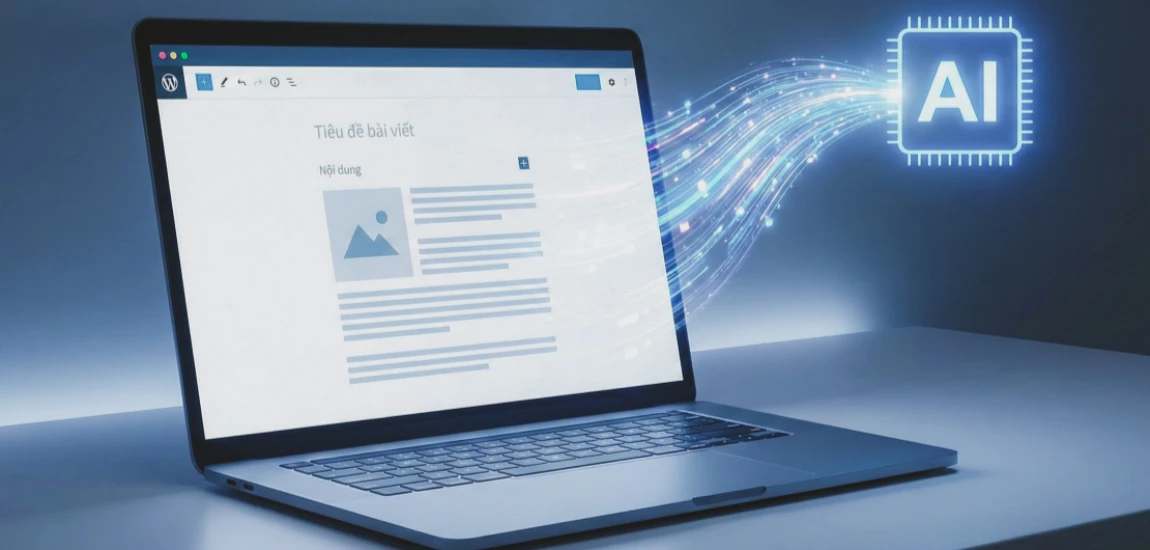
The digital transformation of modern industries is increasingly driven by the fusion of artificial intelligence with cyber-physical systems (CPS). These systems integrate computational intelligence with physical processes, enabling machines, sensors, networks, and infrastructure to work together in real time. When enhanced with AI, cyber-physical systems become far more adaptive, predictive, and autonomous.
AI-augmented cyber-physical systems are now central to smart manufacturing, intelligent transportation, energy grids, healthcare automation, and urban infrastructure. They connect the digital and physical worlds through sensors, IoT devices, machine learning algorithms, and automated control systems. This seamless integration allows systems to monitor environments, analyze data instantly, and respond intelligently.
At the same time, intelligent infrastructure integration models provide the architectural framework that ensures all connected components operate efficiently together. These models define how data flows across systems, how devices communicate, and how AI-driven insights translate into physical actions.
As organizations move toward Industry 4.0 and smart cities, the need for robust AI-enabled infrastructure continues to grow. In this blog, we will explore how these systems work, their core technologies, benefits, challenges, and future trends that are shaping next-generation intelligent ecosystems.
Understanding AI-Augmented Cyber-Physical Systems

Definition and Core Concept
AI-augmented cyber-physical systems combine computational algorithms with physical devices and processes. These systems monitor real-world conditions using sensors and connected devices, process the incoming data using artificial intelligence, and trigger intelligent responses through automated controls.
Unlike traditional automation systems that follow fixed programming rules, AI-augmented systems can learn from data, identify patterns, and optimize performance continuously. This makes them far more flexible and efficient in dynamic environments.
For example, in smart factories, machines can predict maintenance needs before failure occurs. In transportation systems, AI can optimize traffic signals in real time based on congestion data.
Digital and Physical Layer Interaction
The defining strength of cyber-physical systems lies in the close interaction between digital intelligence and physical infrastructure. Sensors collect environmental data such as temperature, motion, pressure, or system performance metrics.
AI algorithms process this information and generate actions such as adjusting machinery speed, rerouting power supply, or triggering emergency alerts.
This real-time synchronization enables better decision-making and reduces delays between detection and response.
Role in Modern Automation
Modern automation increasingly depends on cyber-physical intelligence. Industries no longer rely solely on manual supervision or static automation logic.
Instead, AI-driven CPS enables self-monitoring, predictive control, and autonomous optimization, reducing operational costs and improving reliability.
Architecture of Intelligent Infrastructure Integration Models

Sensor and IoT Device Layer
The first layer of intelligent infrastructure integration consists of IoT devices and smart sensors. These components gather continuous data from the physical environment.
Examples include surveillance cameras, industrial sensors, smart meters, wearable medical devices, and traffic monitoring units.
This layer forms the data foundation of the entire system.
Data Processing and AI Analytics Layer
Once data is collected, it moves to the processing layer where AI algorithms analyze the incoming information.
Machine learning models detect anomalies, forecast system behavior, and recommend actions.
This layer transforms raw data into meaningful intelligence.
Actuation and Control Layer
The final layer converts digital insights into physical actions.
Examples include robotic movement, traffic light adjustments, HVAC system optimization, and industrial machine calibration.
This integration ensures real-world infrastructure responds intelligently.
Key Technologies Powering Intelligent CPS Systems

Artificial Intelligence and Machine Learning
AI serves as the decision-making engine of cyber-physical systems.
Machine learning algorithms analyze historical and real-time data to improve predictions and optimize operations.
This allows systems to evolve and become more efficient over time.
Internet of Things and Edge Computing
IoT devices enable data collection at scale, while edge computing processes information close to the source.
This reduces latency and improves response speed.
For mission-critical systems like autonomous vehicles or industrial control, low latency is essential.
Digital Twins and Predictive Modeling
Digital twins are virtual replicas of physical assets.
They allow organizations to simulate performance, test scenarios, and predict failures before they occur.
This technology significantly improves infrastructure management.
Applications Across Industries

Smart Cities and Urban Infrastructure
AI-augmented CPS plays a major role in smart city development.
Applications include intelligent traffic systems, waste management, public safety monitoring, and smart energy grids.
These systems improve urban efficiency and sustainability.
Manufacturing and Industry 4.0
In industrial environments, cyber-physical systems enable predictive maintenance, robotic automation, and production optimization.
Factories become smarter, faster, and more reliable.
This is the core of Industry 4.0 transformation.
Healthcare and Medical Automation
Healthcare infrastructure benefits from AI-driven CPS through patient monitoring systems, smart diagnostic devices, and automated hospital operations.
These technologies improve patient care and reduce human error.


Derek Baron, also known as "Wandering Earl," offers an authentic look at long-term travel. His blog contains travel stories, tips, and the realities of a nomadic lifestyle.
Derek Baron
Prev Post

Next Post