
AI-Optimized Space Exploration Systems and Autonomous Interplanetary Intelligence
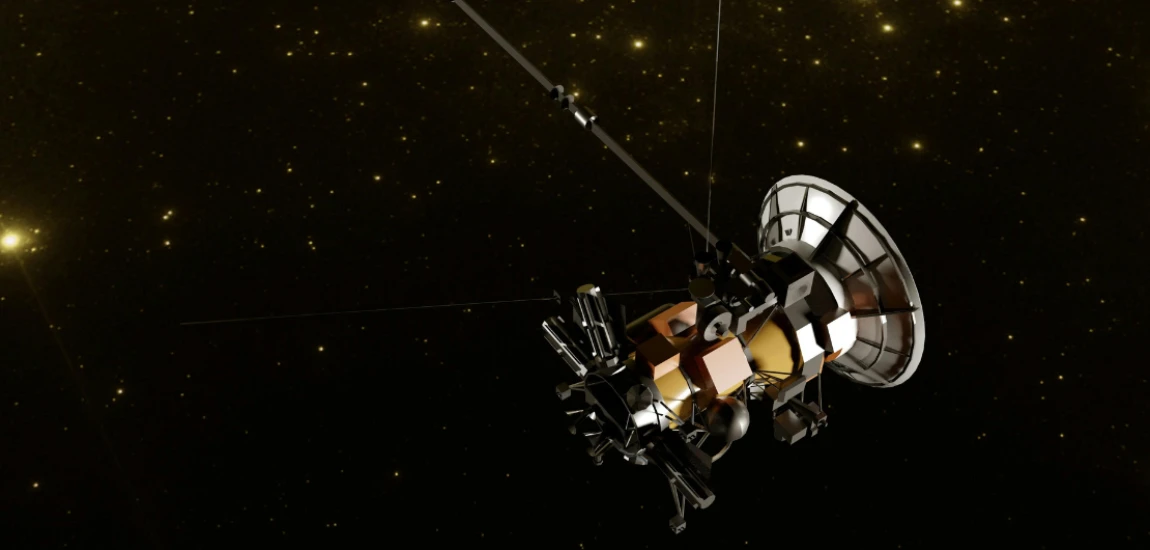
Space exploration has always represented the frontier of human curiosity and technological advancement. From the first satellite launches to Mars rovers and deep-space probes, each milestone has expanded our understanding of the universe. However, as missions become more distant and complex, traditional control systems face limitations due to communication delays, resource constraints, and unpredictable environments.
This is where AI-optimized space exploration systems are transforming the landscape. These systems integrate artificial intelligence, machine learning, robotics, and autonomous decision-making capabilities to enable spacecraft and exploration units to operate with minimal human intervention. Instead of relying on constant instructions from Earth, these systems can analyze data, adapt to conditions, and make real-time decisions independently.
Autonomous interplanetary intelligence takes this concept even further. It enables spacecraft, rovers, and orbital systems to function as self-sustaining intelligent agents capable of navigating unknown terrains, identifying scientific opportunities, and optimizing mission objectives in real time.
As humanity prepares for deeper exploration of Mars, moons of Jupiter and Saturn, and potentially interstellar missions, AI is becoming an essential component of space infrastructure. This blog explores how these systems work, their architecture, technologies, applications, benefits, challenges, and the future of intelligent space exploration.
Understanding AI-Optimized Space Exploration Systems

Core Concept of Intelligent Space Systems
AI-optimized space exploration systems are advanced frameworks that combine artificial intelligence with aerospace engineering to enhance the autonomy and efficiency of space missions. These systems are designed to process vast amounts of data collected from space environments and convert it into actionable insights without requiring constant human control.
Unlike traditional spacecraft systems that rely heavily on pre-programmed instructions and Earth-based decision-making, AI-powered systems can adapt dynamically. They analyze environmental conditions such as radiation levels, terrain structures, atmospheric composition, and mechanical performance to make real-time adjustments.
This autonomy is especially critical for deep space missions where communication delays can range from minutes to hours, making real-time human control impossible.
Role in Modern Space Missions
Modern space missions are increasingly dependent on AI for navigation, hazard detection, and scientific analysis. For example, Mars rovers use AI to navigate rocky terrain, avoid obstacles, and select optimal paths for exploration.
AI systems also assist in prioritizing scientific targets by analyzing geological data and identifying areas of high research value. This allows missions to maximize their scientific output while minimizing operational risks.
From Automation to True Autonomy
While early space systems focused on automation, AI-optimized exploration represents a shift toward true autonomy. Automation follows predefined rules, but autonomy allows systems to learn, adapt, and evolve based on changing conditions.
This transformation is essential for long-duration missions where adaptability is key to success.
Architecture of Autonomous Interplanetary Intelligence Systems

Perception and Data Acquisition Layer
The foundation of interplanetary intelligence systems lies in their ability to perceive the environment. This layer includes sensors, cameras, spectrometers, radar systems, and other scientific instruments that collect data from planetary surfaces and space environments.
These instruments continuously feed real-time information into onboard AI systems, enabling situational awareness in unknown environments.
AI Processing and Decision-Making Layer
Once data is collected, it is processed using advanced AI algorithms. Machine learning models analyze patterns, detect anomalies, and generate predictions about environmental conditions.
This layer is responsible for decision-making, such as determining navigation paths, selecting scientific targets, or adjusting system operations.
Autonomous Execution and Control Layer
The final layer executes decisions made by the AI system. This includes controlling robotic movement, adjusting spacecraft orientation, managing energy systems, and performing scientific experiments.
This closed-loop architecture ensures continuous operation without human intervention.
Key Technologies Powering Space AI Systems

Machine Learning and Deep Space Analytics
Machine learning enables spacecraft to learn from past mission data and improve future performance. Deep learning models help analyze complex spatial and environmental data collected from distant planets.
These systems are capable of identifying patterns that humans may overlook.
Edge Computing in Space Environments
Edge computing is critical in space missions because data must be processed locally due to communication delays with Earth. Onboard processors handle real-time analysis and decision-making.
This ensures immediate response to environmental changes.
Robotics and Autonomous Navigation Systems
Robotics plays a key role in planetary exploration. AI-powered robotic systems can navigate rough terrain, collect samples, and perform scientific experiments autonomously.
These systems are essential for missions to Mars, moons, and asteroids.
Applications in Space Exploration

Planetary Exploration and Rover Missions
AI-powered rovers are used to explore planetary surfaces, analyze soil composition, and search for signs of water or life.
They operate independently, making real-time decisions based on environmental conditions.
Satellite Intelligence and Orbital Systems
Satellites equipped with AI systems monitor Earth and other celestial bodies. They analyze weather patterns, space debris, and planetary atmospheres.
This improves data accuracy and mission efficiency.
Deep Space Navigation and Interstellar Research
In deep space missions, AI systems help spacecraft navigate vast distances, avoid hazards, and optimize trajectories.
This is crucial for future interstellar exploration missions.


Derek Baron, also known as "Wandering Earl," offers an authentic look at long-term travel. His blog contains travel stories, tips, and the realities of a nomadic lifestyle.
Derek Baron

Prev Post

Next Post