
The Hidden Cost of Lifestyle Inflation—and How to Outsave It Without Feeling Deprived
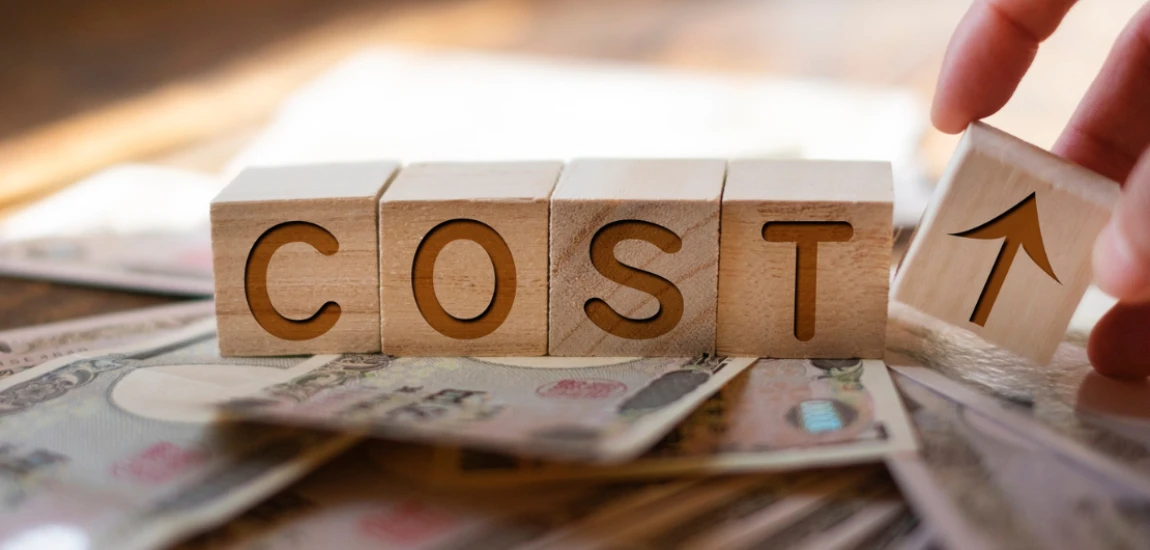
Earning more money is often expected to bring financial freedom. Yet for many people, higher income leads to higher expenses—and little lasting progress. This phenomenon, known as lifestyle inflation, occurs when spending rises alongside income, canceling out the benefits of earning more.
Lifestyle inflation doesn’t usually feel reckless. It shows up as better housing, upgraded transportation, frequent dining out, premium subscriptions, and “well-earned” conveniences. Individually, these choices seem reasonable. Collectively, they create a financial treadmill where increased earnings never translate into increased security.
The real danger of lifestyle inflation isn’t extravagance—it’s invisibility. Because spending grows gradually, many people don’t notice its long-term impact until savings stagnate or financial stress returns. Understanding lifestyle inflation and learning how to outsave it without deprivation is essential for sustainable wealth and peace of mind.
What Lifestyle Inflation Really Is

Lifestyle inflation is the gradual increase in spending that accompanies rising income, often without intentional decision-making.
The silent expansion of expenses
As income grows, discretionary spending expands almost automatically. Small upgrades become normalized, and yesterday’s luxuries become today’s necessities.
Why lifestyle inflation feels justified
Higher earnings often come with increased responsibility, stress, or time constraints. Spending more feels like a reasonable reward or coping mechanism.
The difference between growth and drift
Not all increased spending is harmful. The problem arises when spending grows by default rather than design.
Lifestyle inflation isn’t about poor discipline—it’s about human psychology. People anchor their sense of normal to their current lifestyle, making it difficult to scale back without discomfort. Recognizing this pattern is the first step toward regaining control.
The Hidden Financial Cost of Lifestyle Inflation

The true cost of lifestyle inflation extends far beyond monthly budgets.
Lost compounding opportunities
Money spent today is money not invested for long-term growth. Over decades, even modest lifestyle inflation can cost hundreds of thousands in missed returns.
Reduced financial resilience
Higher fixed expenses make it harder to handle emergencies, career changes, or economic downturns without stress.
Delayed independence and freedom
Lifestyle inflation often pushes major milestones—home ownership, early retirement, flexible work—further into the future.
These costs remain invisible because they represent opportunities never realized rather than bills unpaid. Lifestyle inflation doesn’t usually cause immediate hardship—it quietly limits future options.
Why Avoiding Lifestyle Inflation Feels Like Deprivation

Many people associate resisting lifestyle inflation with sacrifice, restriction, or guilt.
Emotional attachment to comfort
Upgrades improve quality of life, making it emotionally difficult to reverse course—even when they don’t deliver lasting happiness.
Social comparison pressure
Spending habits are influenced by peers, coworkers, and online lifestyles, creating pressure to “keep up.”
All-or-nothing thinking
People often assume that saving more requires extreme frugality, leading to resistance and burnout.
This perception is what makes lifestyle inflation so powerful. When saving feels like punishment, spending feels like freedom—even when it undermines long-term goals.
How to Outsave Lifestyle Inflation Without Feeling Deprived

The solution to lifestyle inflation is not austerity—it’s alignment.
Pay yourself first
Automatically increasing savings when income rises prevents spending from absorbing every raise or bonus.
Spend intentionally, not minimally
Prioritize spending on experiences and comforts that genuinely improve life while cutting low-value expenses.
Design a values-based lifestyle
When spending aligns with personal values, saving feels purposeful rather than restrictive.
Outsaving lifestyle inflation means redirecting excess income toward goals that matter more than short-term upgrades. The focus shifts from what you’re giving up to what you’re building.


Dave Lee runs "GoBackpacking," a blog that blends travel stories with how-to guides. He aims to inspire backpackers and offer them practical advice.
Dave Lee

Prev Post

Next Post