
Micro-Savings Methods: How Small Daily Habits Build Long-Term Wealth
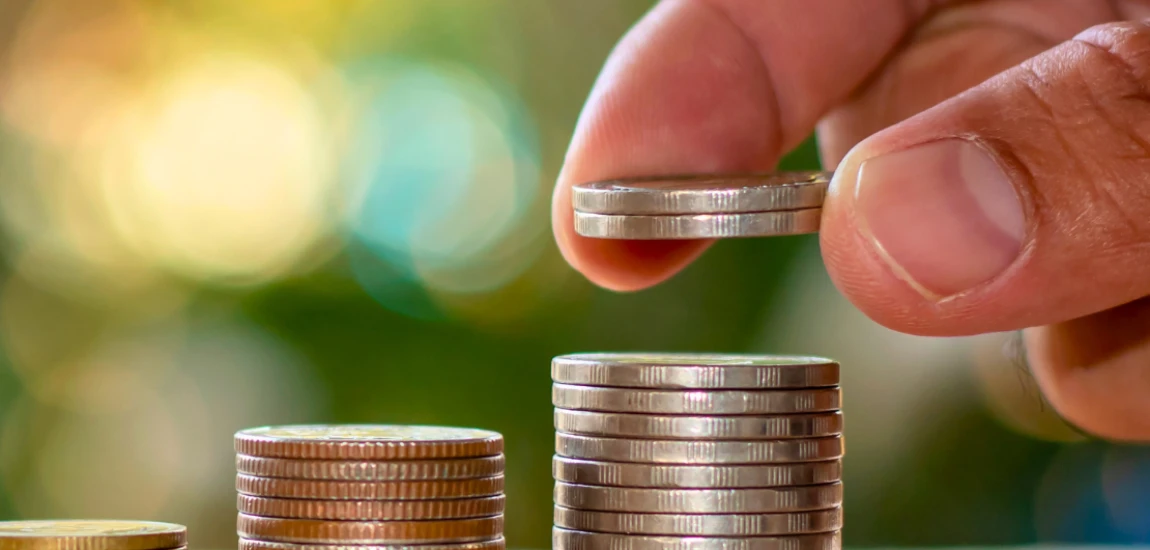
When it comes to building wealth, many people assume you need a high income or large initial capital to make a difference. In reality, consistent small savings—micro-savings—can accumulate significantly over time due to compounding and disciplined habits. Micro-savings methods focus on simple daily or weekly actions that gradually add up, turning small amounts into substantial financial resources without major lifestyle sacrifices.
These methods appeal to individuals who feel overwhelmed by big financial goals or who struggle with irregular income. By breaking down wealth-building into small, manageable steps, micro-savings create momentum, reinforce positive financial behaviors, and help develop a sustainable savings mindset. The power of micro-savings lies not just in the money itself, but in the habit formation that ensures long-term financial security.
Understanding Micro-Savings and Their Power

What counts as micro-savings
Micro-savings refer to small amounts of money set aside regularly. This can include rounding up purchases, setting aside loose change, or transferring a few dollars daily into a savings account. Individually, these amounts may seem negligible, but their cumulative effect over months and years can be substantial.
Small actions, big results.
Compounding benefits
Money saved, even in small increments, benefits from interest and investment growth over time. Compounding magnifies small contributions, especially when initiated early and maintained consistently.
Time is a wealth-building multiplier.
Behavioral advantages
Micro-savings reduce psychological resistance to saving. Large goals can feel intimidating, but saving $1–$5 a day is manageable and less likely to trigger financial anxiety or resistance.
Consistency beats size.
Everyday Micro-Savings Habits

Round-up spending
Many financial apps automatically round up debit or credit card purchases to the nearest dollar and transfer the difference into savings. For example, a $4.50 coffee purchase becomes $5, with $0.50 saved automatically.
This passive method requires no effort and builds savings gradually.
Skip one small indulgence
Skipping a daily coffee, snack, or other minor purchase can save $1–$5 each day. Redirecting this amount into a dedicated savings account compounds surprisingly fast over months.
Small sacrifices yield long-term gains.
Save spare change
Keep a jar or digital equivalent to collect coins and leftover bills. Physically seeing savings accumulate reinforces positive habits and provides a visual motivation boost.
Tangible progress strengthens commitment.
Leveraging Technology for Micro-Savings

Automated transfers
Set up automatic transfers from checking to savings accounts for small amounts, even $5–$10 per week. Automation removes the reliance on willpower and ensures consistency.
Automation makes saving effortless.
Financial apps and platforms
Apps like Acorns, Chime, or Qapital specialize in micro-savings, rounding up purchases, and investing spare change. They combine behavioral psychology with technology to encourage disciplined saving.
Smart tools support disciplined habits.
Alerts and reminders
Use app notifications or calendar reminders to nudge micro-savings contributions. These small prompts reinforce behavior and prevent forgetfulness, keeping habits on track.
External cues enhance habit formation.
Micro-Savings Strategies for Special Goals

Emergency fund
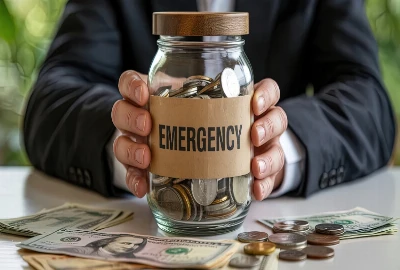
Even small daily savings can fund an emergency account over time. A $5 daily contribution totals over $1,800 in a year—enough for minor emergencies without impacting lifestyle.
Preparation reduces financial stress.
Travel or leisure fund
Micro-savings can create a fund for vacations, hobbies, or experiences. Contributing small amounts weekly makes big goals more achievable and reduces reliance on credit.
Fun goals become realistic through small steps.
Investing small amounts
Micro-savings can also feed into investment accounts. Even small, consistent contributions to index funds or ETFs can grow substantially due to compounding and market appreciation.
Tiny investments today become wealth tomorrow.


Known as "Nomadic Matt," Matthew Kepnes offers practical travel advice with a focus on budget backpacking. His blog aims to help people travel cheaper and longer.
Matthew Kepnes
Prev Post

Next Post