
Emergency Funds Explained: How Much You Really Need and Why
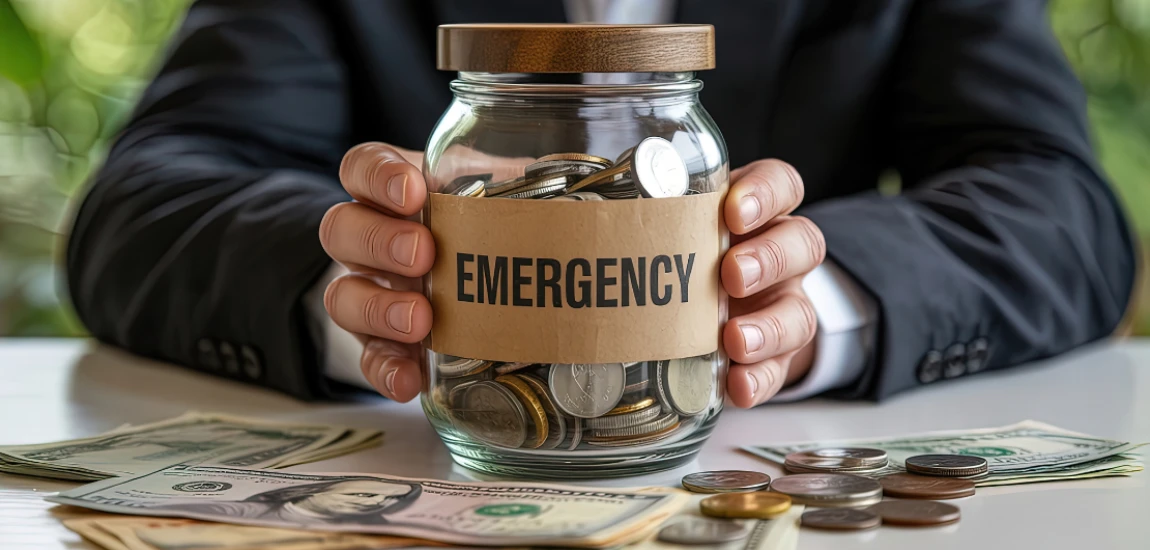
Life is unpredictable. From sudden medical bills to car repairs or unexpected job loss, emergencies can strike at any moment. Without a financial buffer, these events can quickly spiral into debt and stress. That’s where emergency funds come in—a dedicated pool of money reserved exclusively for unexpected expenses.
Despite their importance, many people either underestimate how much to save or neglect building an emergency fund entirely. Financial experts agree that an emergency fund is one of the most foundational steps toward long-term financial stability. It not only protects against short-term crises but also provides peace of mind, allowing individuals to make decisions with confidence rather than fear.
Understanding how emergency funds work, how much you really need, and strategies for building one effectively can empower you to face life’s uncertainties without financial panic.
What Is an Emergency Fund and Why It Matters

A financial safety net
An emergency fund is money set aside specifically for unexpected situations. Unlike regular savings or investment accounts, it’s untouchable except for true emergencies.
Its purpose is to prevent reliance on high-interest debt like credit cards or payday loans during financial shocks.
Reducing stress and improving decision-making
Having a financial buffer allows you to respond calmly to emergencies. It prevents rash decisions driven by fear and provides the flexibility to prioritize needs over urgent, short-term pressures.
Peace of mind is a powerful benefit.
Preventing long-term financial setbacks
Without an emergency fund, one small event can derail months or even years of financial progress. Savings act as insurance for your financial goals, preserving both stability and momentum.
It’s about protection, not just preparation.
How Much You Should Really Save

The three-to-six months rule
Financial planners often recommend saving enough to cover three to six months of essential living expenses. This includes rent or mortgage, utilities, groceries, insurance, and minimum debt payments.
The exact number depends on lifestyle, job stability, and personal circumstances.
Tailoring to income and job security
For those with variable income or unstable employment, aiming for six months or more provides greater security. Individuals with stable employment might manage with closer to three months. The key is ensuring the fund is sufficient to cover basic needs if income is interrupted.
Customization makes the fund realistic and effective.
Considering personal risk factors
Family size, health needs, and location-specific costs should factor into emergency fund size. Higher living costs or medical expenses may require a larger buffer to maintain financial safety.
Think beyond averages to your real needs.
What Counts as an Emergency

Unexpected medical or health expenses
Surgeries, urgent care visits, and unexpected treatments often come with high costs not fully covered by insurance. An emergency fund ensures access to timely care without financial strain.
Health should always be prioritized.
Job loss or income interruption
A sudden layoff or reduced hours can quickly deplete resources. Savings for at least three months of expenses allows for a controlled transition while seeking new opportunities.
Income protection prevents financial panic.
Home and vehicle emergencies
Major home repairs or essential vehicle maintenance can be costly. Emergency funds allow you to address critical issues promptly rather than delaying solutions and risking further damage.
Timely responses save money in the long run.
How to Build an Emergency Fund Quickly

Start small and automate
Begin with a modest, achievable target, such as $500 or $1,000. Automate transfers from checking to savings to build momentum without relying on willpower.
Consistency is more impactful than size initially.
Cut non-essential spending
Review your budget for discretionary spending you can temporarily reduce. Even small amounts redirected into savings add up faster than expected.
Temporary sacrifice yields lasting security.
Use windfalls strategically
Bonuses, tax refunds, or extra income streams can accelerate emergency fund growth. Allocate a portion of unexpected income directly to your fund before spending elsewhere.
Windfalls become financial leverage, not temptation.
Where to Keep Your Emergency Fund

High-yield savings accounts
A high-yield savings account offers liquidity and modest interest. This ensures funds grow slightly over time while remaining accessible in emergencies.
Balance accessibility and returns.
Money market accounts
Money market accounts provide slightly higher interest and maintain liquidity. They are suitable for slightly larger funds requiring stability and easy access.
Safety meets small growth.
Avoid risky investments
Investments like stocks or cryptocurrencies may offer higher returns but can fluctuate, leaving funds unavailable when needed. Emergency funds should prioritize security over growth.
Liquidity and stability are paramount.


Gary Arndt operates "Everything Everywhere," a blog focusing on worldwide travel. An award-winning photographer, Gary shares stunning visuals alongside his travel tales.
Gary Arndt

Prev Post

Next Post