
Emergency Fund Planning: Building Financial Resilience in Uncertain Times
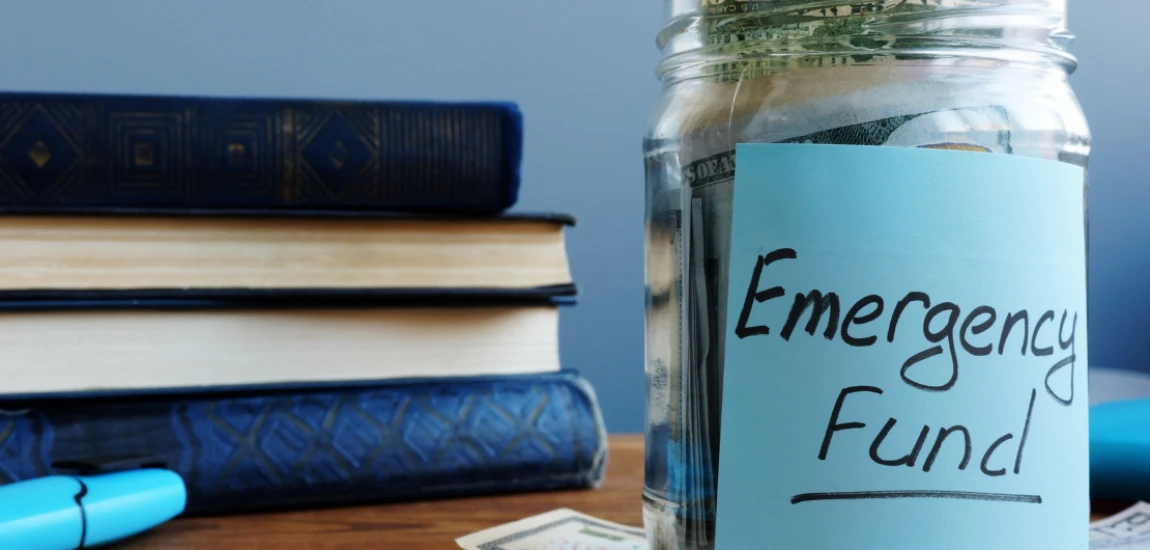
Financial uncertainty can affect anyone. A sudden job loss, unexpected medical expense, urgent home repair, vehicle problem, family responsibility, or economic downturn can create financial pressure without warning. Even people who carefully manage their budgets can face expenses they never expected. This is why **emergency fund planning** is one of the most important parts of personal financial management.
An emergency fund provides a financial safety net that can help individuals handle unexpected situations without immediately relying on credit cards, high-interest loans, or borrowing from family and friends. More importantly, it creates a sense of financial security during uncertain times.
Building an emergency fund is not simply about saving a specific amount of money. It involves understanding personal risks, evaluating monthly expenses, setting realistic savings goals, choosing an appropriate account, and creating a system that allows the fund to grow consistently. A strong emergency savings plan should be accessible when needed while remaining separate from everyday spending money.
In a world affected by changing employment conditions, rising living costs, inflation, economic uncertainty, and unexpected personal events, financial resilience has become increasingly important. Emergency savings can provide flexibility and time when circumstances change.
The goal is not to predict every possible emergency. That is impossible. Instead, the goal is to create enough financial protection to handle common disruptions without destroying long-term financial progress. With a clear plan and consistent saving habits, individuals can build a stronger financial foundation and face uncertainty with greater confidence.
Understanding Why Emergency Fund Planning Is Essential

Preparing for Unexpected Financial Disruptions
Many financial emergencies happen without warning. A person may suddenly need to replace a broken appliance, repair a vehicle, pay an urgent medical bill, or manage an unexpected family responsibility. These costs can be difficult to handle when there is no money set aside.
Without emergency savings, individuals may be forced to use credit cards or high-interest loans. Although borrowing can provide immediate relief, it can create additional financial pressure through interest payments and monthly repayments.
An emergency fund provides an alternative source of money. Instead of turning every unexpected expense into long-term debt, individuals can use money that has already been reserved for emergencies.
This can protect both short-term financial stability and long-term financial goals. A person who has an emergency fund may be able to handle an unexpected cost without stopping retirement contributions, reducing essential spending, or selling long-term investments at an inconvenient time.
Building Financial Resilience
Financial resilience means having the ability to recover from unexpected financial difficulties. It does not mean that emergencies will never happen. Instead, it means having resources and strategies that make recovery easier.
Emergency savings are a central part of financial resilience. They provide a buffer between an unexpected event and a serious financial crisis.
A strong emergency fund can also provide psychological benefits. Knowing that money is available for genuine emergencies may reduce financial stress and improve confidence when making important decisions.
Creating Greater Financial Independence
Emergency savings can also reduce dependence on other people or financial institutions. When individuals have their own financial reserves, they may have more flexibility during difficult periods.
For example, someone facing temporary unemployment may have time to search for a suitable new opportunity rather than immediately accepting the first available option. This financial flexibility can be extremely valuable during uncertain times.
Determining How Much Money You Should Save

Calculating Essential Monthly Expenses
One of the first steps in emergency fund planning is understanding essential monthly expenses. These may include housing, utilities, groceries, transportation, insurance, debt payments, healthcare, and other necessary costs.
The purpose of an emergency fund is generally to support essential needs rather than maintain every form of discretionary spending.
Creating a realistic list of essential expenses helps individuals understand how much money they may need during a period of financial disruption.
A person with lower monthly expenses may require a smaller emergency fund than someone supporting a large household. The right amount depends on personal circumstances rather than a universal number.
Considering Income Stability
Income stability is another important factor. Someone with a highly stable income may face a different level of financial risk than a freelancer, business owner, commission-based worker, or individual working in an uncertain industry.
People with unpredictable income may benefit from building a larger emergency reserve because replacing lost income may take longer.
Individuals should also consider how quickly they could find new work or access alternative income sources. The more uncertain the income situation, the more important a strong financial buffer may become.
Starting With a Manageable Target
Building a large emergency fund can feel overwhelming. Instead of focusing immediately on a major long-term target, individuals can begin with a smaller milestone.
The first goal may be to save enough to handle a minor unexpected expense. After reaching that milestone, the target can gradually increase.
This approach makes emergency fund planning more achievable. Consistent progress is often more important than attempting to save a large amount immediately and abandoning the plan because it is unrealistic.
Choosing the Right Place to Keep Emergency Savings

Prioritizing Accessibility
Emergency savings should be available when needed. If accessing the money requires a long waiting period or complicated process, the account may not be suitable for urgent financial situations.
Accessibility is therefore an important consideration when choosing where to keep emergency funds.
However, accessibility does not necessarily mean keeping all emergency savings in the same account used for daily spending. Separating emergency money from everyday funds can reduce the temptation to spend it unnecessarily.
Balancing Safety and Growth
Emergency savings should generally prioritize financial stability and access. While earning a return on savings can be beneficial, individuals should carefully consider the level of risk involved.
Money intended for emergencies should not be exposed to unnecessary volatility if it may be needed immediately.
A practical approach may involve keeping a portion of funds highly accessible while placing additional emergency reserves in an appropriate savings option that offers a potentially better return while still maintaining reasonable access.
Keeping Emergency Money Separate
One of the most effective emergency savings strategies is creating a separate account. When emergency money is mixed with everyday spending funds, it can become difficult to determine how much is truly available.
A separate account creates a psychological and practical boundary. The money has a specific purpose and should only be used when a genuine emergency occurs.
Clear separation can make it easier to track progress and prevent accidental spending.
Building an Emergency Fund With Consistent Saving Strategies

Automating Emergency Savings
Automation can make emergency fund planning easier. Individuals can schedule regular transfers from their primary account into an emergency savings account.
This removes the need to remember to save every month. Even small automatic contributions can gradually create a meaningful financial reserve.
Automation is particularly useful for people who struggle with consistency. Once the system is established, savings can continue without requiring constant attention.
Saving a Percentage of Income
Some people prefer saving a fixed amount, while others may find percentage-based saving more flexible.
Saving a percentage of income can be useful for individuals whose earnings change regularly. When income increases, the savings contribution may increase as well.
This approach can help ensure that savings grow alongside financial capacity.
Using Extra Income Strategically
Unexpected financial gains can provide opportunities to strengthen an emergency fund. Bonuses, tax refunds, freelance income, gifts, or other additional money can be partially directed toward emergency savings.
Individuals do not necessarily need to save every extra amount. Creating a balanced strategy that combines financial progress with personal enjoyment can make the plan more sustainable.
The important point is to use occasional additional income intentionally rather than allowing it to disappear through unplanned spending.


Gilbert Ott, the man behind "God Save the Points," specializes in travel deals and luxury travel. He provides expert advice on utilizing rewards and finding travel discounts.
Gilbert Ott

Prev Post

Next Post