
Autonomous Expense Prediction Systems That Strengthen Personal Savings
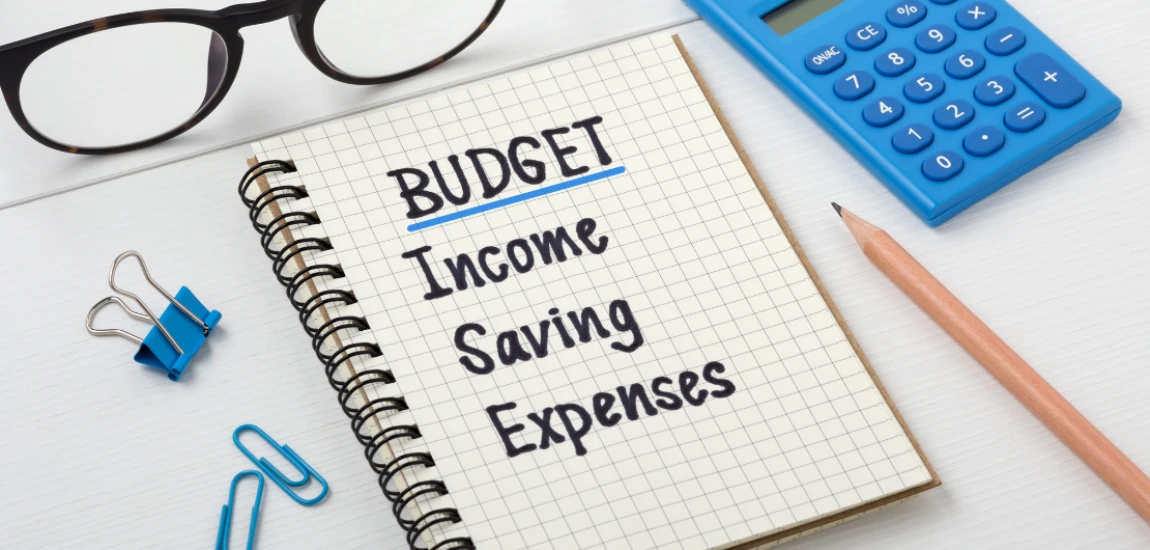
Saving money consistently has become increasingly difficult in today's unpredictable financial environment. Inflation, rising living costs, unexpected medical bills, seasonal expenses, subscription services, and changing economic conditions often disrupt carefully planned budgets. Traditional budgeting methods generally focus on tracking past spending rather than anticipating future financial obligations. As a result, many individuals find themselves reacting to expenses instead of preparing for them. This challenge has accelerated the adoption of Autonomous Expense Prediction Systems, intelligent financial solutions that forecast future expenses before they occur.
Autonomous expense prediction systems combine artificial intelligence (AI), machine learning, predictive analytics, automation, and real-time financial monitoring to estimate upcoming expenses with remarkable accuracy. Rather than simply recording transactions, these systems continuously analyze spending patterns, recurring bills, seasonal trends, income changes, and economic indicators to generate highly personalized financial forecasts.
By predicting future expenses in advance, individuals can adjust their budgets, strengthen emergency savings, reduce unnecessary spending, and avoid financial surprises. Automated recommendations ensure savings remain consistent while helping users prepare for both expected and unexpected financial obligations.
As financial technology continues to evolve, autonomous expense prediction systems are becoming essential tools for individuals seeking greater financial resilience. They transform budgeting from a reactive process into a proactive financial strategy that supports sustainable savings and long-term financial security.
Understanding Autonomous Expense Prediction Systems

What Are Autonomous Expense Prediction Systems?
Autonomous expense prediction systems are intelligent financial management platforms designed to forecast future expenses automatically using artificial intelligence and predictive analytics. Unlike conventional budgeting applications that mainly summarize historical spending, these systems continuously evaluate financial behavior to estimate future financial obligations before they occur.
The primary objective is to eliminate financial surprises by helping individuals prepare well in advance. Artificial intelligence analyzes recurring expenses, monthly bills, shopping habits, seasonal spending, debt repayments, subscription renewals, insurance premiums, healthcare costs, and lifestyle changes to calculate expected future expenses.
For example, if household utility bills consistently rise during the summer or winter, the system automatically adjusts future budget forecasts to accommodate these seasonal increases. Likewise, if annual insurance premiums or school fees are approaching, AI reminds users months ahead, allowing gradual savings instead of last-minute financial pressure.
Machine learning continuously improves forecasting accuracy as it gathers additional financial information. Every transaction, salary deposit, bill payment, and spending adjustment enhances the system's understanding of personal financial behavior.
Rather than relying on fixed monthly budgets, autonomous expense prediction systems create adaptive financial plans that evolve continuously alongside changing financial circumstances.
Why Predicting Expenses Matters More Than Tracking Them
Traditional budgeting emphasizes reviewing past spending to understand where money has already been spent. While this information remains useful, it offers limited assistance when preparing for future financial obligations. Expense prediction shifts the focus from reacting to anticipating.
Forecasting future expenses enables individuals to prepare for upcoming financial commitments without disrupting long-term savings goals. Instead of relying on emergency funds to cover predictable costs, users gradually allocate financial resources before payments become due.
Predictive systems also improve budgeting accuracy by accounting for changing financial conditions such as inflation, interest rate adjustments, increased healthcare expenses, or family-related costs. Budgets remain realistic because they reflect expected future circumstances rather than outdated spending patterns.
Another major advantage is improved financial confidence. Knowing that upcoming expenses have already been incorporated into financial planning reduces uncertainty while supporting better financial decision-making.
Expense prediction ultimately transforms financial planning into a proactive process that strengthens savings, improves cash flow, and reduces financial stress.
How Artificial Intelligence Predicts Future Expenses
Artificial intelligence serves as the analytical engine behind autonomous expense prediction systems. AI continuously processes financial information from bank accounts, payment histories, investment activity, recurring bills, credit card transactions, and spending categories.
Machine learning identifies patterns that often remain unnoticed by manual budgeting methods. It recognizes seasonal shopping behavior, recurring subscriptions, annual expenses, travel costs, maintenance schedules, healthcare spending, and other financial activities that influence future budgets.
Predictive analytics further improves forecasting by incorporating external economic conditions. Inflation, changing fuel prices, interest rates, consumer price trends, and regional economic developments all contribute to future expense estimates.
As additional financial data becomes available, machine learning refines prediction accuracy automatically. Recommendations become increasingly personalized while adapting to evolving financial lifestyles.
Instead of simply reacting after expenses occur, AI enables individuals to prepare for future obligations intelligently while maintaining stronger long-term savings habits.
Core Technologies Behind Autonomous Expense Prediction Systems

Artificial Intelligence and Machine Learning
Artificial intelligence and machine learning provide the computational intelligence that makes expense prediction possible. These technologies analyze enormous amounts of financial information while continuously learning from every transaction and financial decision.
Machine learning evaluates spending frequency, recurring payments, income consistency, debt obligations, savings contributions, and financial priorities simultaneously. Every financial interaction improves future prediction accuracy.
Unlike traditional budgeting software that relies on manually entered information, AI continuously updates expense forecasts automatically as financial behavior changes. This ensures budgets remain relevant despite changing lifestyles or economic conditions.
Artificial intelligence also identifies opportunities to reduce unnecessary expenses by recognizing inefficient spending habits, duplicate subscriptions, or recurring financial leaks. These recommendations strengthen long-term savings without requiring major lifestyle changes.
By continuously improving through experience, AI creates highly personalized financial forecasts that become increasingly valuable over time.
Predictive Analytics for Smarter Budget Planning
Predictive analytics transforms budgeting into forward-looking financial planning. Instead of simply organizing historical transactions, predictive models estimate future expenses based on previous financial behavior, seasonal trends, economic indicators, and recurring obligations.
For example, predictive analytics forecasts annual insurance premiums, holiday shopping expenses, school tuition, vehicle maintenance, home repairs, and tax payments well before they occur. Individuals can therefore save gradually instead of facing sudden financial pressure.
Predictive systems also estimate changing living expenses caused by inflation, rising utility costs, healthcare expenses, or housing costs. These forecasts improve budgeting accuracy while strengthening long-term financial resilience.
Scenario analysis provides additional value by evaluating multiple financial possibilities. Users can understand how salary changes, career transitions, home purchases, or family growth may affect future expenses before making important financial decisions.
Intelligent Automation That Protects Personal Savings
Automation converts financial predictions into practical financial action. Instead of expecting individuals to manually adjust savings every month, intelligent systems automate financial tasks that support consistent budgeting and stronger savings.
Automatic transfers increase emergency savings before anticipated expenses arrive. Bill payments continue on schedule, reducing late fees, while discretionary spending alerts notify users whenever financial behavior begins deviating from predicted budgets.
Some autonomous expense prediction systems automatically redirect surplus income into savings or investment accounts whenever projected expenses remain below expected levels. Others temporarily increase savings contributions before predictable high-expense periods such as holidays or annual insurance renewals.
Automation also removes emotional decision-making by following predefined financial rules based on long-term financial objectives rather than temporary spending impulses.
Together, artificial intelligence, predictive analytics, and automation create highly adaptive expense prediction systems that maximize savings while reducing financial uncertainty.
Benefits of Autonomous Expense Prediction Systems

Preventing Financial Surprises Through Early Forecasting
One of the most valuable benefits of autonomous expense prediction systems is their ability to prevent unexpected financial challenges before they occur. Many households struggle financially not because of poor income, but because they fail to anticipate upcoming expenses. Annual insurance renewals, vehicle maintenance, medical bills, school fees, holiday shopping, and home repairs often create sudden financial pressure when they are not included in monthly budgets.
Artificial intelligence continuously analyzes historical spending behavior and identifies recurring financial obligations well in advance. Instead of reminding users only when a payment is due, the system forecasts future expenses months ahead and recommends gradual savings strategies that reduce financial stress.
For example, if property taxes are due in six months, the system may recommend automatically setting aside a small amount each month rather than requiring a large payment later. Likewise, expected increases in utility bills during seasonal weather changes can be incorporated into future budgets before higher bills arrive.
Real-time monitoring also detects unusual spending patterns that could interfere with future financial obligations. If discretionary expenses begin increasing unexpectedly, AI immediately recommends adjustments that protect long-term savings goals.
By forecasting expenses before they occur, autonomous prediction systems improve financial preparedness, reduce dependence on emergency funds, and help individuals maintain greater financial stability throughout the year.
Strengthening Savings Through Intelligent Financial Planning
Consistent saving becomes much easier when future expenses are accurately predicted. Autonomous expense prediction systems improve financial planning by ensuring that expected obligations are incorporated into budgeting before money is spent elsewhere.
Artificial intelligence continuously evaluates income, expenses, debt obligations, investment contributions, and financial priorities. Based on these insights, the system recommends personalized savings targets that reflect both current financial conditions and future financial needs.
Automation further strengthens savings by transferring money into emergency funds or dedicated savings accounts before anticipated expenses arrive. This disciplined approach reduces the temptation to spend surplus income while ensuring sufficient funds remain available when future obligations become due.
Expense prediction also supports better investment planning. When AI determines that future expenses are already adequately funded, additional income can be allocated toward retirement accounts, diversified investments, or long-term wealth-building strategies instead of remaining idle.
Machine learning continuously improves savings recommendations as financial behavior evolves. Salary increases, career changes, inflation, family growth, or changing financial priorities are automatically incorporated into updated savings strategies.
Through intelligent financial planning, autonomous expense prediction systems transform saving from a reactive habit into a proactive wealth-building strategy.
Improving Financial Confidence and Long-Term Stability
Financial uncertainty often leads to stress because individuals are unsure whether they have saved enough for future obligations. Autonomous expense prediction systems reduce this uncertainty by providing continuous visibility into future financial commitments and overall financial health.
Predictive analytics estimates future expenses using historical spending patterns, recurring bills, seasonal costs, inflation trends, and expected lifestyle changes. These forecasts enable individuals to make informed financial decisions with greater confidence because future obligations have already been considered.
Artificial intelligence also evaluates multiple financial scenarios. Users can understand how major life events such as buying a home, changing careers, starting a business, or expanding a family may affect future financial requirements before making important commitments.
Automation further improves stability by maintaining consistent bill payments, recurring savings transfers, investment contributions, and debt repayments according to personalized financial plans.
Over time, continuous forecasting and intelligent financial guidance strengthen confidence in everyday financial decision-making. Individuals become better prepared for economic uncertainty while building stronger savings, reducing debt, and creating long-term financial resilience.
Building an Autonomous Expense Prediction System

Evaluating Your Financial Data and Spending Habits
Developing an effective autonomous expense prediction system begins with understanding current financial behavior. Before artificial intelligence can generate accurate forecasts, it requires comprehensive financial information covering income, expenses, savings, investments, debt, and long-term financial objectives.
Individuals should first review all income sources, including salaries, freelance work, business income, rental earnings, and investment returns. Stable income patterns improve forecasting accuracy while supporting more reliable savings recommendations.
Monthly expenses should then be categorized into essential and discretionary spending. Housing, transportation, groceries, insurance, healthcare, education, utilities, and debt repayments represent predictable obligations that AI incorporates into long-term financial planning.
Behavioral factors are equally important. Shopping habits, seasonal purchases, travel frequency, entertainment spending, and subscription services all influence future expense predictions. The more complete the financial data, the more personalized and accurate AI recommendations become.
A detailed financial assessment establishes the foundation for intelligent forecasting while improving long-term budgeting accuracy.
Choosing AI-Powered Expense Prediction Platforms
Selecting the right financial technology plays a critical role in the success of autonomous expense prediction systems. Modern AI-powered financial applications provide advanced forecasting capabilities that extend far beyond traditional budgeting software.
An ideal platform should include secure bank account integration, automatic transaction categorization, predictive cash flow analysis, recurring expense forecasting, customizable financial goals, real-time dashboards, and automated savings features.
Strong security measures are essential because these platforms manage highly sensitive financial information. Users should prioritize solutions offering end-to-end encryption, multi-factor authentication, secure cloud storage, and regular software updates.
Transparency is another important consideration. Reliable AI platforms explain why specific financial recommendations are generated, helping users understand future expense forecasts while improving overall financial knowledge.
Integrated financial platforms capable of connecting checking accounts, savings accounts, credit cards, investment portfolios, retirement funds, and loan accounts provide the most accurate financial forecasts because they analyze complete financial activity rather than isolated transactions.
Continuously Monitoring and Improving Expense Forecasts
Expense prediction systems become increasingly effective through continuous learning and regular financial reviews. Although artificial intelligence automates much of the forecasting process, periodic evaluations help ensure financial recommendations remain aligned with changing personal circumstances and long-term objectives.
Quarterly financial reviews provide opportunities to compare predicted expenses with actual spending, evaluate savings progress, assess investment performance, and review overall financial health. AI-generated reports simplify these evaluations by highlighting forecasting accuracy, identifying new financial trends, and recommending adjustments.
Major life events such as marriage, home ownership, career changes, business expansion, education expenses, or retirement planning naturally influence future financial obligations. Autonomous prediction systems quickly adapt forecasts to reflect these evolving circumstances while maintaining accurate budgeting recommendations.
Continuous improvement also includes reviewing recurring subscriptions, insurance policies, utility costs, and discretionary spending to eliminate unnecessary expenses and improve overall financial efficiency.
By combining artificial intelligence, predictive analytics, automation, and ongoing financial reviews, autonomous expense prediction systems evolve into intelligent financial planning ecosystems. They help individuals anticipate expenses, strengthen savings, improve budgeting accuracy, reduce financial stress, and achieve long-term financial security despite constantly changing economic conditions.


Kate McCulley, the voice behind "Adventurous Kate," provides travel advice tailored for women. Her blog encourages safe and adventurous travel for female readers.
Kate McCulley

Prev Post

Next Post