
Virtual Production, LED Volumes & Cloud-Based Filmmaking: Redefining the Future of Cinema
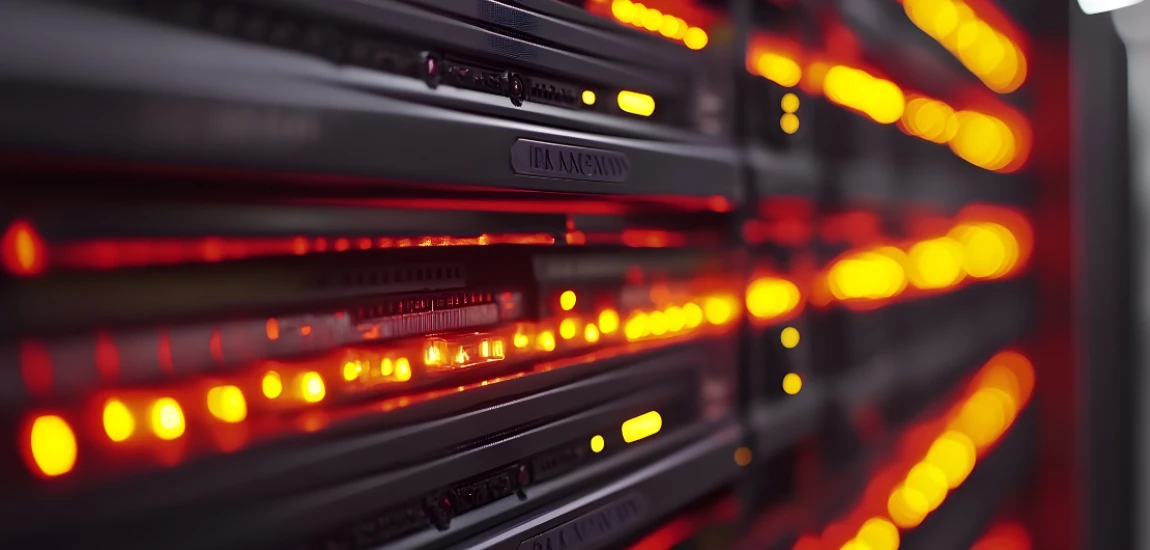
Filmmaking has always evolved alongside technology, but few innovations have been as transformative as virtual production, LED volumes, and cloud-based filmmaking. What once required months of location scouting, green screens, and post-production compositing can now be achieved in real time, on set, with photorealistic digital environments surrounding actors and cameras.
Virtual production merges physical and digital filmmaking into a single, unified workflow. Instead of imagining environments that will be added later, directors and cinematographers see final-quality visuals live during shooting. LED volumes—massive walls of high-resolution LED panels—display these environments in real time, responding dynamically to camera movement. Meanwhile, cloud-based filmmaking enables teams across the globe to collaborate seamlessly, accessing assets, editing footage, and rendering scenes without being physically present.
This convergence is not just about efficiency—it fundamentally changes creative decision-making. Directors can adjust lighting, environments, and camera angles instantly. Actors perform within immersive worlds rather than empty green stages. Producers gain tighter cost control and faster iteration cycles.
From blockbuster films and episodic streaming content to indie productions and virtual commercials, these technologies are redefining the language of cinema. This article explores how virtual production works, why LED volumes matter, and how cloud-based workflows are unlocking a new era of scalable, collaborative filmmaking.
Understanding Virtual Production and Why It Matters

What Virtual Production Really Means
Virtual production is a filmmaking approach that combines live-action footage with real-time digital environments, typically powered by game engines such as Unreal Engine or Unity. Unlike traditional workflows where visual effects are added after shooting, virtual production brings post-production elements into pre-production and on-set filming.
This allows filmmakers to visualize near-final shots during principal photography, dramatically reducing guesswork and reshoots.
Real-Time Decision-Making on Set
One of the most significant advantages of virtual production is real-time creative control. Directors, cinematographers, and production designers can adjust environments, lighting, and camera movement instantly. A sunset can become a stormy night with a few parameter changes, enabling rapid experimentation without expensive delays.
This immediacy encourages creative risk-taking and collaboration.
Why the Industry Is Embracing It
Virtual production reduces costs associated with travel, set construction, and post-production revisions. It also shortens production timelines and improves consistency between vision and execution. For studios facing tighter budgets and faster release cycles, virtual production offers both creative freedom and economic efficiency.
LED Volumes: The Technology Behind Immersive Sets

What Are LED Volumes?
LED volumes are large-scale stages composed of high-resolution LED panels that display digital environments in real time. These walls and ceilings replace traditional green screens, providing realistic backgrounds and interactive lighting that naturally wraps around actors and sets.
The result is a more believable visual experience captured directly in-camera.
How LED Volumes Enhance Cinematography
Because LED volumes emit light, they accurately reflect onto actors, costumes, and props. This eliminates many lighting inconsistencies common in green-screen workflows. Camera tracking systems ensure that perspective shifts correctly as the camera moves, maintaining parallax and depth.
Cinematographers can frame shots knowing exactly how the final image will look.
Creative and Practical Benefits
LED volumes allow productions to shoot complex environments—alien planets, futuristic cities, historical landscapes—without leaving the studio. Weather, time of day, and location constraints disappear. This flexibility is particularly valuable for episodic content where consistency and speed are critical.
Cloud-Based Filmmaking and Remote Collaboration

What Is Cloud-Based Filmmaking?
Cloud-based filmmaking uses remote servers and online platforms to store, process, and collaborate on film assets. Footage, 3D environments, edits, and visual effects can be accessed from anywhere, allowing teams to work asynchronously across time zones.
This approach decouples production from physical location.
Enabling Global Creative Teams
Editors, VFX artists, sound designers, and directors can collaborate in real time without being on set. Notes, revisions, and approvals happen instantly, accelerating feedback loops and reducing bottlenecks.
This democratizes filmmaking, allowing smaller teams to access enterprise-level tools.
Scalability and Cost Efficiency
Cloud infrastructure scales based on demand. Productions can ramp up computing power during heavy rendering periods and scale down afterward, paying only for what they use. This flexibility reduces overhead and makes high-end filmmaking more accessible.
How Virtual Production Changes Pre-Production and Planning

Previsualization as a Creative Blueprint
Virtual production emphasizes extensive previsualization. Entire scenes are blocked, lit, and tested digitally before shooting begins. This clarity reduces uncertainty and aligns all departments around a shared vision.
Previs becomes the foundation of the entire production.
Location Scouting Without Travel
Digital environments replace physical scouting. Directors can explore virtual locations, adjust layouts, and test camera angles remotely. This saves time and money while expanding creative possibilities beyond real-world constraints.
Streamlined Production Pipelines
Because assets created in pre-production are reused on set and in post, workflows become more efficient. There is less duplication of effort and fewer surprises, resulting in smoother productions and tighter schedules.
Actionable Insights for Filmmakers Adopting Virtual Production

Start Small and Scale Strategically
Not every project requires a massive LED volume. Filmmakers can begin with partial LED walls, virtual backgrounds, or cloud-based collaboration tools. Gradual adoption allows teams to build expertise without overwhelming budgets.
Invest in Cross-Disciplinary Skills
Virtual production blurs the line between departments. Directors benefit from understanding game engines, while VFX artists engage earlier in the creative process. Investing in training fosters better collaboration and results.
Plan for Technical Integration
Successful virtual production depends on tight integration between hardware, software, and creative teams. Early planning and technical rehearsals ensure smooth execution and prevent costly on-set delays.


Shivya Nath authors "The Shooting Star," a blog that covers responsible and off-the-beaten-path travel. She writes about sustainable tourism and community-based experiences.
Shivya Nath

Prev Post

Next Post