
Autonomous AI Creators, Writers & Virtual Directors: The Rise of Self-Governing Creative Intelligence
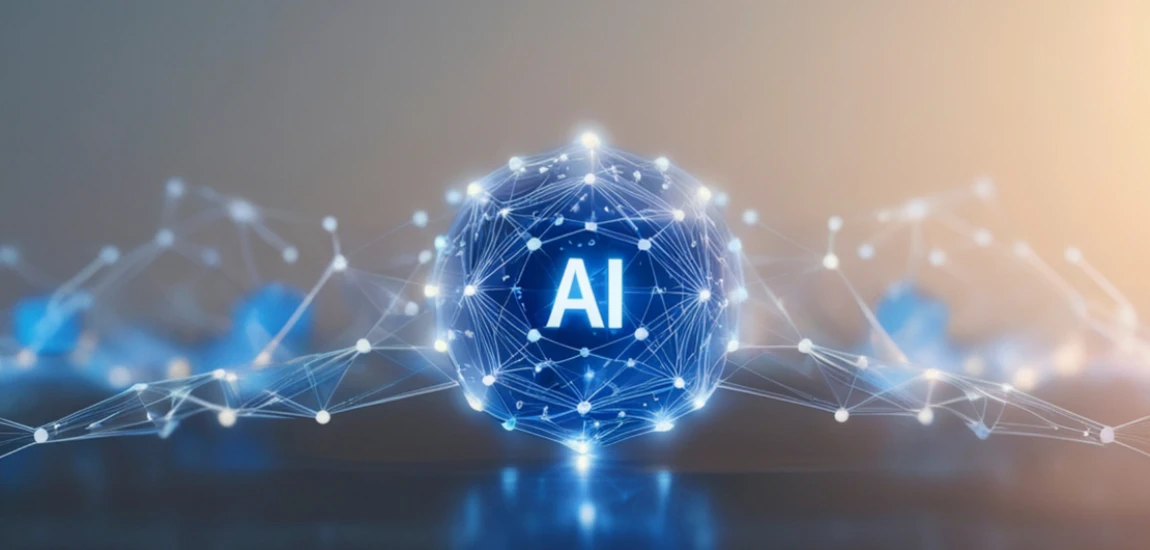
For decades, artificial intelligence played a supporting role in creative industries—editing footage, correcting grammar, suggesting ideas, or automating repetitive tasks. Today, that relationship is changing rapidly. A new generation of autonomous AI creators, writers, and virtual directors is emerging, capable of making creative decisions independently, generating original narratives, and orchestrating complex storytelling experiences without continuous human input.
This shift represents more than faster content production. It signals a transformation in how creativity itself is defined. Autonomous AI systems can now conceptualize stories, develop characters, structure plot arcs, determine visual composition, and even revise their own work based on audience feedback or performance metrics. Creativity becomes a self-sustaining loop rather than a linear process driven solely by human intent.
The rise of autonomous creative intelligence is fueled by advances in large language models, reinforcement learning, generative media systems, and multi-agent AI architectures. These technologies allow AI not just to respond to prompts, but to set goals, evaluate outcomes, and iterate creatively.
From screenwriting and game design to virtual filmmaking and branded storytelling, autonomous AI creators are already reshaping production pipelines. This article explores how they function, where they are being applied, and how creators can adapt to a future where AI is no longer just a tool—but a creative entity in its own right.
What Are Autonomous AI Creators and How Do They Differ from Traditional AI Tools

From Assistive AI to Self-Directed Creation
Traditional AI tools rely on direct human prompts and constant oversight. Autonomous AI creators operate differently. They are designed to initiate creative tasks, make narrative decisions, and continue generating content with minimal intervention. Instead of waiting for instructions, these systems pursue creative objectives defined by high-level goals or learned preferences.
This autonomy allows AI to function more like a collaborator—or even a creator—rather than a productivity enhancer.
Core Characteristics of Autonomous Creative Systems
Autonomous AI creators possess several defining traits: goal-setting, self-evaluation, adaptation, and persistence. They can assess whether a story is coherent, emotionally engaging, or aligned with audience expectations, then revise accordingly. This mirrors human creative workflows but operates at machine speed and scale.
These systems often work continuously, producing and refining content around the clock.
Why Autonomy Changes the Creative Landscape
Autonomy enables scalability, experimentation, and personalization at levels impossible for human-only teams. Entire story universes, episodic series, or interactive worlds can be generated, tested, and evolved dynamically. This fundamentally alters how creative content is produced and consumed.
Autonomous AI Writers and the Evolution of Narrative Generation

Beyond Prompt-Based Writing
Autonomous AI writers move past prompt-response models into long-form narrative planning. They can outline plots, develop themes, maintain character consistency, and resolve story arcs without step-by-step guidance. These systems track narrative logic across thousands of words, ensuring continuity and pacing.
This enables AI to write novels, screenplays, and episodic content independently.
Character Development and Emotional Logic
Modern AI writers can simulate character psychology, motivation, and growth. Characters evolve based on story events rather than remaining static archetypes. Emotional consistency is maintained across scenes, creating narratives that feel intentional and coherent.
This capability is essential for believable storytelling at scale.
Iterative Story Improvement
Autonomous AI writers can analyze audience engagement data, sentiment feedback, or completion rates to refine future drafts. Weak plot points are reworked, dialogue is sharpened, and pacing is adjusted—all without human micromanagement. Writing becomes a living, self-improving system.
Virtual Directors and AI-Driven Cinematic Decision-Making

What Is a Virtual Director?
A virtual director is an AI system responsible for cinematic decisions such as camera placement, shot composition, lighting, scene transitions, and pacing. These systems interpret scripts or story goals and translate them into visual storytelling logic.
Rather than following static rules, virtual directors adapt based on narrative tone and emotional intent.
Real-Time Visual Story Orchestration
In virtual production and game engines, AI directors can adjust framing, camera movement, and scene rhythm in real time. Emotional moments may trigger slower cuts and close-ups, while action sequences accelerate editing and dynamic motion.
This creates responsive, emotionally aligned visual narratives.
Reducing Production Bottlenecks
Virtual directors significantly reduce production time and cost by automating decisions that traditionally require large teams. Indie creators, virtual studios, and experimental filmmakers gain access to cinematic quality previously reserved for high-budget productions.
Autonomous AI Creators in Games, Virtual Worlds, and the Metaverse

Self-Generating Story Worlds
In games and metaverse platforms, autonomous AI creators generate quests, environments, characters, and lore continuously. These worlds evolve even when players are offline, creating a sense of persistent reality.
The experience becomes less scripted and more emergent.
Adaptive Narrative Systems
AI-driven narratives respond to player behavior rather than predefined choices. Storylines shift based on how players interact emotionally, ethically, or strategically with the world. This leads to deeply personalized storytelling experiences.
Each player effectively inhabits a unique narrative timeline.
Scaling Infinite Content
Autonomous AI enables infinite content generation without linear production costs. This scalability is crucial for large-scale virtual environments where manual content creation would be impossible.
Creative Control, Ethics, and the Role of Human Oversight

Who Owns AI-Created Content?
As AI creators become more autonomous, questions around authorship, ownership, and intellectual property grow more complex. Clear frameworks are needed to define whether AI-generated works belong to developers, operators, or remain unowned.
This legal gray area will shape future creative economies.
Preventing Creative Drift and Bias
Autonomous systems can drift creatively or reinforce biases if left unchecked. Human oversight remains essential to set boundaries, cultural sensitivity guidelines, and ethical constraints. Autonomy does not mean absence of responsibility.
Well-designed governance ensures alignment with human values.
Human Creativity as Direction, Not Execution
In an AI-driven future, humans increasingly act as creative directors rather than manual producers. They define vision, values, and emotional goals, while AI handles execution and iteration.
Actionable Insights for Creators and Studios Adopting Autonomous AI

Designing with Intentional Constraints
Successful autonomous systems require clear creative constraints. Defining tone, themes, and narrative ethics allows AI to explore creatively without producing incoherent or inappropriate content.
Constraints enhance creativity rather than limiting it.
Building Hybrid Creative Teams
The most effective workflows combine human imagination with AI autonomy. Writers, directors, and designers collaborate with AI systems that handle scale, variation, and iteration.
This hybrid model maximizes efficiency and originality.
Experimenting with Low-Risk Environments
Creators should begin by deploying autonomous AI in experimental projects, internal tools, or side narratives. This allows learning and refinement before applying AI autonomy to flagship productions.


Gary Arndt operates "Everything Everywhere," a blog focusing on worldwide travel. An award-winning photographer, Gary shares stunning visuals alongside his travel tales.
Gary Arndt
Prev Post

Next Post