
Virtual Influencers, Digital Stars and the New Celebrity Economy
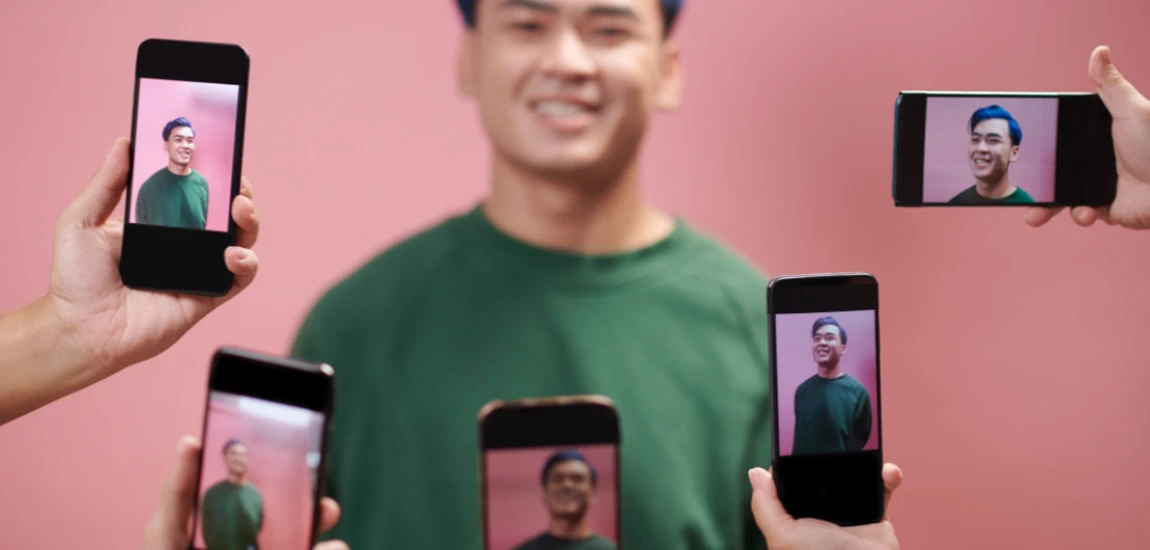
The concept of celebrity has undergone a radical transformation. In an era where authenticity is algorithmically curated and virality defines influence, virtual influencers—computer-generated personalities with lifelike appearances and social media personas—have emerged as the newest stars of the entertainment and marketing industries. Unlike traditional celebrities, these AI-driven figures never age, never sleep, and never make mistakes unless scripted to do so.
The appeal of virtual influencers lies in their perfect blend of fantasy and control. They can embody idealized versions of identity, represent global brands, and even participate in activism—all while being meticulously managed by creative teams. From Lil Miquela’s millions of followers to Imma’s strikingly realistic Instagram posts, these digital entities are reshaping what it means to be famous in the digital era.
This shift signals more than a gimmick—it’s a reflection of how AI, storytelling, and social media economies merge to create a new kind of fame that transcends the boundaries of human limitation. The rise of virtual influencers highlights deeper questions about authenticity, identity, and the value of attention in an increasingly digital society.
The Rise of Virtual Influencers

Digital Creation Meets Cultural Influence
Virtual influencers are designed through 3D modeling, AI, and motion capture technologies, giving them the ability to interact with audiences as if they were real. These synthetic personas often come with detailed backstories, personalities, and emotional arcs that make them relatable and engaging.
The Power of Immersion and Storytelling
Unlike traditional advertising, virtual influencers blend fictional storytelling with real-world branding. Their curated posts, “daily lives,” and virtual adventures make them feel human, blurring the boundary between content and narrative. This makes them ideal for brands seeking emotionally resonant, story-driven marketing.
Global Expansion and Industry Adoption
From Asia’s Kizuna AI to Western icons like Shudu Gram, virtual influencers are no longer niche experiments. Fashion houses like Prada, Gucci, and Balmain now include them in global campaigns. The entertainment industry is taking note too, with record labels signing virtual pop stars and studios developing entire series around digital personas.
The Business of Digital Stardom

New Revenue Streams and Marketing Models
The celebrity economy is evolving beyond humans. Virtual influencers provide brands with total creative control—no scheduling conflicts, no scandals, and limitless adaptability. They can promote multiple products simultaneously, appear across platforms, and even “age” or “rebrand” at will.
Brand Safety and Consistency
For advertisers, these digital stars are dream collaborators. They eliminate risks associated with human unpredictability and maintain consistent messaging. With every post, gesture, and visual asset designed to perfection, brand image management becomes seamless.
Data-Driven Influence
AI analytics enable virtual influencers to target audiences with uncanny precision. Algorithms help tailor their personalities and aesthetics to maximize engagement. The result? A feedback loop where audience behavior shapes the evolution of the influencer, making them hyper-optimized for connection.
Human Versus Virtual: Redefining Authenticity

The Paradox of Digital Authenticity
One of the most intriguing debates surrounding virtual influencers is authenticity. Can a synthetic being truly be authentic? Surprisingly, audiences often respond emotionally to these avatars, knowing full well that they are not real. The key lies in emotional design—the way creators infuse relatability, vulnerability, and personality into code.
The Psychology of Virtual Connection
Studies show that people form parasocial relationships with virtual entities just as they do with human influencers. These connections are based on consistent emotional feedback, storytelling, and perceived intimacy. In a sense, followers engage with a character who fulfills their emotional expectations more reliably than most human counterparts.
Blurring Boundaries Between Human and AI
As technology advances, the distinction between human and virtual influencers becomes increasingly irrelevant. With AI-driven facial expressions, deep learning-based dialogue systems, and voice synthesis, these digital beings are approaching human realism—forcing us to question what defines personhood and influence in a media-saturated age.
The Role of AI in Shaping the New Celebrity Economy

AI as the Architect of Fame
Artificial intelligence lies at the heart of this new celebrity ecosystem. From content curation to emotional modeling, AI determines how virtual influencers behave, look, and interact. This creates a feedback system where audience engagement directly influences AI adjustments, refining the influencer’s persona in real time.
Predictive Analytics and Audience Insights
AI tools analyze massive datasets—likes, comments, and viewing patterns—to predict what audiences will respond to next. This allows virtual influencers to evolve with precision, adapting tone, style, and even moral positioning based on audience mood.
Automation and Creativity
Beyond performance metrics, AI is also driving creative automation. It assists in writing captions, designing visuals, and crafting narratives. In many cases, the AI behind a virtual influencer becomes a silent co-creator, blurring the line between machine creativity and human direction.
Ethical Questions and Future Implications

Ownership and Representation
As virtual influencers gain fame, new legal and ethical questions arise: Who owns the influencer? How should revenue be distributed among creators, designers, and AI developers? Additionally, when digital avatars represent marginalized identities, issues of authentic representation and digital exploitation become critical.
Emotional Manipulation and Transparency
Because virtual influencers can simulate empathy and emotion, they can also manipulate it. Critics argue that audiences—especially younger ones—deserve transparency about when they are interacting with AI-generated personas. Ethical frameworks for AI disclosure in marketing are becoming essential to maintain consumer trust.
The Future of Fame
As the line between virtual and human celebrities blurs, the future of fame may no longer depend on physical presence. We may see hybrid influencers—part human, part AI—dominate entertainment. The celebrity economy of tomorrow will likely combine human creativity with machine precision, resulting in a dynamic ecosystem where both coexist symbiotically.


Operating "The Blonde Abroad," Kiersten Rich specializes in solo female travel. Her blog provides destination guides, packing tips, and travel resources.
Kiersten Rich

Prev Post

Next Post