
The Science of Nostalgia in Entertainment
The Emotional Power of the Past
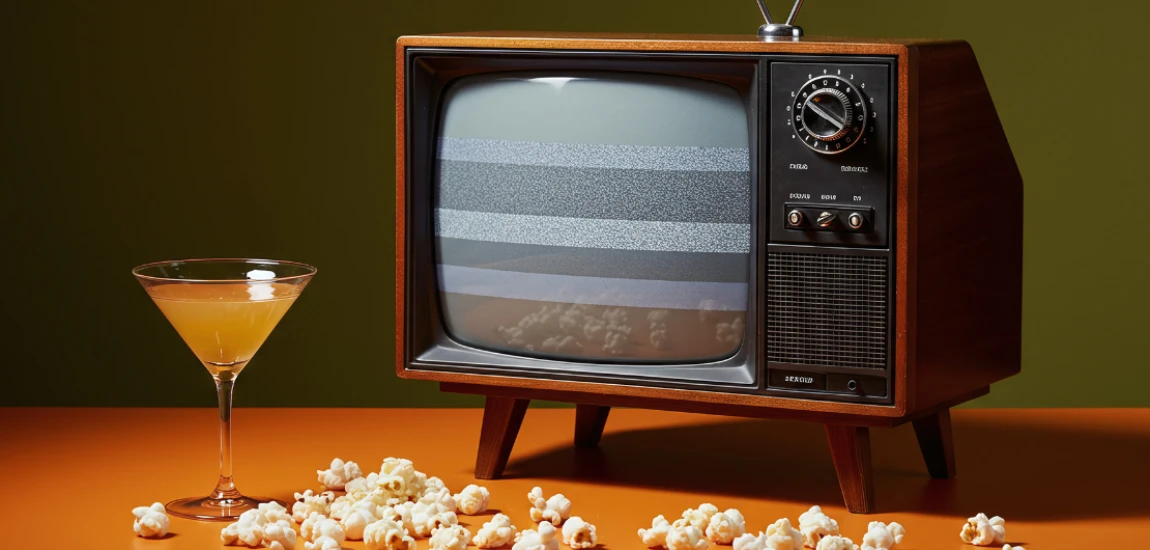
There’s a reason why hearing a childhood song or seeing a familiar movie scene can instantly transport you back in time. Nostalgia is more than just fond remembrance—it’s a deep psychological experience that combines memory, emotion, and identity. In entertainment, it serves as both comfort and connection, linking audiences to personal and collective histories.
A Cultural Phenomenon
From Stranger Things’ 1980s aesthetics to the reboots of classics like The Lion King and Ghostbusters, nostalgia-driven content dominates today’s media. Streaming platforms, gaming industries, and fashion houses are all reviving the old to appeal to audiences seeking familiarity in an uncertain world.
The Science Behind Nostalgia’s Appeal
Nostalgia activates brain regions associated with emotion and reward, releasing dopamine and oxytocin—neurochemicals linked to pleasure and bonding. When we consume nostalgic entertainment, we’re not just recalling memories; we’re reliving emotional safety, joy, and belonging.
The Psychology of Nostalgia

Memory as Emotion
Nostalgia thrives at the intersection of memory and emotion. It’s often triggered by sensory cues—like music, smells, or visuals—that recall positive experiences from our formative years. These cues activate the hippocampus and amygdala, reinforcing emotional attachment to those memories.
Why Nostalgia Feels Good
Psychologists describe nostalgia as a self-soothing mechanism. It helps individuals cope with loneliness, anxiety, or change by reconnecting them with emotionally meaningful moments. In entertainment, this comfort translates to audience engagement, loyalty, and trust.
Generational Identity and Nostalgia
Every generation has its nostalgic markers: Baby Boomers with classic rock, Millennials with early 2000s cartoons, Gen Z rediscovering Y2K aesthetics. Entertainment industries target these generational memories to strengthen emotional resonance and cultural relevance.
Nostalgia in Film and Television

Reboots, Remakes, and Revivals
Hollywood has long relied on nostalgia to drive storytelling. Reboots like Top Gun: Maverick and Jurassic World merge past narratives with modern techniques, appealing to older audiences’ memories while introducing new viewers to familiar worlds. This blend of past and present sustains cultural continuity.
Cinematic Easter Eggs and Retro Aesthetics
Even new films borrow from the past through visual cues, soundtrack choices, and references to earlier eras. This design creates intertextual layers of meaning—rewarding older fans for their recognition while offering newcomers a sense of historical depth.
The Business of Nostalgia in Film
Nostalgic cinema is financially strategic. Familiar franchises reduce marketing risks because audiences already feel connected to them. Studios know that a revived emotional connection often guarantees box office success.
Music and the Soundtrack of Memory

Music as a Time Machine
Music is perhaps the most potent trigger of nostalgia. Hearing a song from adolescence can instantly evoke vivid emotional memories. Neurological studies show that musical nostalgia activates brain regions tied to autobiographical recall, creating an almost cinematic flashback effect.
Retro Trends in Modern Music
Contemporary artists frequently sample older songs or adopt vintage sounds—think of The Weeknd’s 1980s synthpop influences or Dua Lipa’s disco revival. This fusion satisfies listeners’ longing for familiarity while keeping it fresh for younger audiences.
Why We Crave Nostalgic Tunes
Music anchors life’s emotional milestones—first loves, graduations, friendships. Revisiting these sounds is like reconnecting with our younger selves. In the streaming era, curated playlists titled “Throwback Hits” or “90s Memories” offer daily doses of emotional time travel.
Gaming and Interactive Nostalgia

Retro Games and Remastered Classics
Video games have mastered the art of nostalgia. Companies like Nintendo and PlayStation frequently remaster classics like Super Mario 64 or The Last of Us, letting players relive beloved experiences with updated visuals and smoother mechanics.
Gamification of Memory
Modern gaming design intentionally includes callbacks to older titles through Easter eggs, sound effects, or visual styles. These nostalgic elements reward long-time players while fostering emotional loyalty across generations of gamers.
The Rise of Pixel Art and Vintage Design
Indie developers often use pixel art and 8-bit soundtracks to evoke the simplicity of early gaming eras. This stylistic choice isn’t just aesthetic—it symbolizes authenticity, creativity, and emotional warmth in an increasingly complex digital world.
Nostalgia and the Streaming Era

Algorithmic Nostalgia
Streaming platforms like Netflix, Spotify, and Disney+ now use data to predict what nostalgic content audiences crave. Algorithms track viewing habits, recommending familiar genres or eras that evoke comfort and familiarity—essentially personalizing nostalgia for every user.
The Revival Economy
Streaming services thrive on nostalgia-driven content because it guarantees engagement. Re-releases of classic shows, documentary retrospectives, and reunion specials dominate the landscape, giving audiences both novelty and remembrance.
Emotional Comfort in a Digital World
In a fast-paced, often chaotic digital age, nostalgia provides psychological stability. The entertainment industry capitalizes on this need, creating emotional “safe zones” where viewers can escape into familiar worlds that feel timeless and reassuring.
The Cultural and Ethical Dimensions of Nostalgia

When Nostalgia Becomes Exploitation
While nostalgia can be comforting, excessive reliance on it may stifle innovation. Entertainment industries risk prioritizing recycled content over new ideas, leading to creative stagnation. The constant resurrection of the past can prevent meaningful cultural evolution.
Nostalgia as Cultural Memory
Despite its commercial use, nostalgia plays a vital role in preserving cultural heritage. Through remakes and revivals, societies re-examine their histories—reinterpreting stories, identities, and values for new generations.
Finding Balance Between Past and Progress
The healthiest form of nostalgia in entertainment celebrates the past while pushing boundaries. True innovation often lies in reimagining, not replicating, what came before. Creators who blend nostalgia with originality—like Cobra Kai or Spider-Man: Into the Spider-Verse—demonstrate how reflection can coexist with reinvention.


Derek Baron, also known as "Wandering Earl," offers an authentic look at long-term travel. His blog contains travel stories, tips, and the realities of a nomadic lifestyle.
Derek Baron
Prev Post

Next Post