
The Gamification of Everyday Life
The New Rules of Engagement
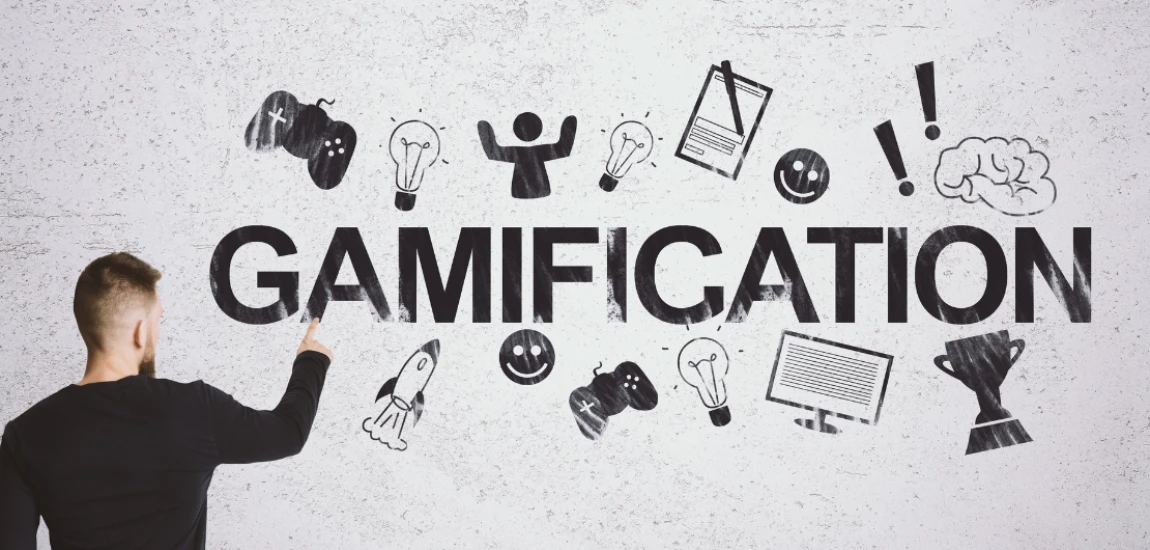
We live in a world where nearly everything can be gamified. From your morning fitness routine to how you learn, work, and even shop, game mechanics now shape countless aspects of daily life. The gamification of everyday life refers to applying game design principles—like points, levels, rewards, and challenges—to non-game activities to encourage participation and motivation.
From Entertainment to Everyday Use
While video games once existed purely for fun, their principles have infiltrated productivity tools, education systems, and even corporate structures. Companies and educators discovered that people love competition, recognition, and measurable progress—and they’re harnessing those instincts to drive engagement.
A Global Shift in Behavior
The rise of mobile apps and digital ecosystems has accelerated this trend. Gamification is no longer confined to tech-savvy users—it’s embedded in how societies learn, communicate, and set goals. This makes understanding its psychology, benefits, and risks more important than ever.
The Psychology Behind Gamification

The Science of Motivation
Gamification taps into fundamental psychological needs: achievement, autonomy, and recognition. Humans crave progress and feedback, and game-like elements fulfill these desires by providing measurable accomplishments and positive reinforcement.
The Dopamine Effect
Every “win,” whether it’s earning a badge or completing a challenge, triggers a dopamine release in the brain. This reward chemical motivates continued engagement—making users more likely to repeat the action to experience that same feeling of success.
Intrinsic vs. Extrinsic Rewards
The most effective gamified systems blend internal motivation (curiosity, enjoyment) with external incentives (points, trophies). Over time, users may shift from seeking rewards to genuinely valuing the experience itself—transforming short-term engagement into long-term habit formation.
Gamification in Education

Learning Through Play
Traditional education often struggles to keep students motivated. Gamified learning platforms like Duolingo, Quizizz, and Kahoot! transform lessons into interactive challenges, encouraging participation and improving retention through immediate feedback and progress tracking.
Building Confidence and Competence
Each level-up or badge acts as a milestone of achievement, reinforcing the learner’s confidence. Students can visually track their progress, which fosters persistence and resilience—key traits for academic success.
Cautions in Classroom Gamification
Despite its benefits, educators must use gamification thoughtfully. Overemphasis on points or competition can reduce intrinsic motivation, making learning feel transactional. The goal should always be sustained curiosity, not just winning.
Gamification in Health and Fitness

Tracking for Transformation
Fitness apps like Fitbit, Strava, and Apple Health use points, streaks, and badges to encourage consistency. These systems turn exercise into a challenge and progress into a visible, measurable journey.
Community and Competition
Leaderboards and group challenges introduce a social component—fostering accountability and camaraderie. Competing with friends or coworkers transforms solitary routines into shared goals.
Balancing Motivation and Mindfulness
While gamification can make fitness fun, it can also cause stress when users feel pressured to maintain streaks. The healthiest approach treats these tools as motivators, not measures of self-worth.
Gamification in the Workplace

Boosting Productivity with Play
Businesses are leveraging gamification to improve engagement, morale, and skill development. Employees may earn points for completing tasks, participating in training, or achieving sales targets—making work more interactive and rewarding.
Gamified Learning and Skill Development
Platforms like Salesforce’s Trailhead and Microsoft’s achievements systems use badges and progression paths to teach skills. Employees track learning milestones, much like gamers completing quests.
The Ethical Considerations
However, gamified workplaces can blur the line between motivation and manipulation. Overuse can lead to burnout or unhealthy competition. Ethical gamification should empower employees, not exploit them.
Gamification in Marketing and Consumer Engagement

Turning Customers into Players
Brands use gamification to enhance loyalty and engagement. Starbucks Rewards, for example, gives points (“stars”) for every purchase, unlocking tiers of benefits that keep customers returning.
Interactive Campaigns
Contests, spin-the-wheel promotions, and digital challenges make shopping experiences more exciting. Nike’s fitness challenges and McDonald’s Monopoly are prime examples of gamified marketing success.
Data and Behavior Insights
Every gamified interaction generates valuable user data. Companies analyze engagement patterns to refine customer journeys—but ethical transparency about data use remains crucial.
Gamification in Social Media

The Social Scoreboard
Platforms like Instagram, TikTok, and X (formerly Twitter) rely heavily on gamification. Likes, shares, and followers serve as points, while views and engagement rates act as feedback loops that drive content creation.
Validation and Visibility
Algorithms reward consistent engagement, motivating users to post more frequently. This creates a cycle of validation where social recognition becomes the prize.
The Psychological Toll
While social gamification fosters creativity and connection, it also fuels comparison and burnout. Recognizing the mechanics at play helps users navigate platforms with healthier awareness.
Gamification in Daily Habits and Personal Development

Building Better Habits
Apps like Habitica turn goal-setting into an RPG-like adventure, where users earn rewards for completing daily tasks. These systems make mundane responsibilities feel meaningful and engaging.
Progress Tracking and Accountability
Visualizing progress keeps motivation alive. Seeing streaks or achievement levels boosts confidence and reinforces consistency—especially in areas like journaling, meditation, or language learning.
Beyond External Rewards
Eventually, gamification should help users internalize motivation. The point isn’t to chase points forever—but to use them as a bridge toward self-discipline and self-growth.
Gamification in Society and Sustainability

Driving Positive Change
Cities and governments are now adopting gamified models to encourage civic participation. Recycling programs, public transit rewards, and eco-friendly challenges turn social responsibility into a shared game.
Encouraging Sustainable Behavior
Apps like Recyclebank and JouleBug reward users for making eco-conscious choices, from reducing waste to conserving energy—proving that small actions can be scaled through collective competition.
Building Communities Through Play
Gamification transforms civic duty into community building. It creates a sense of shared purpose, turning local initiatives into global movements through digital collaboration.
The Future of Gamification: Beyond Points and Badges

Integration with Emerging Technologies
AI, AR, and VR are taking gamification to new dimensions. Imagine fitness programs with immersive VR challenges or educational tools that adapt dynamically to your learning style through AI feedback.
From Engagement to Empowerment
The next phase of gamification focuses on personal growth, creativity, and emotional intelligence rather than mere productivity. It’s about helping users find purpose, not just performance.
Designing Ethical Systems
As gamification becomes embedded in every aspect of life, designers must ensure systems are transparent, inclusive, and aligned with user well-being. The goal is not just to keep people playing—but to help them thrive.


Derek Baron, also known as "Wandering Earl," offers an authentic look at long-term travel. His blog contains travel stories, tips, and the realities of a nomadic lifestyle.
Derek Baron

Prev Post

Next Post