
The Science Behind What Makes a Movie a Hit
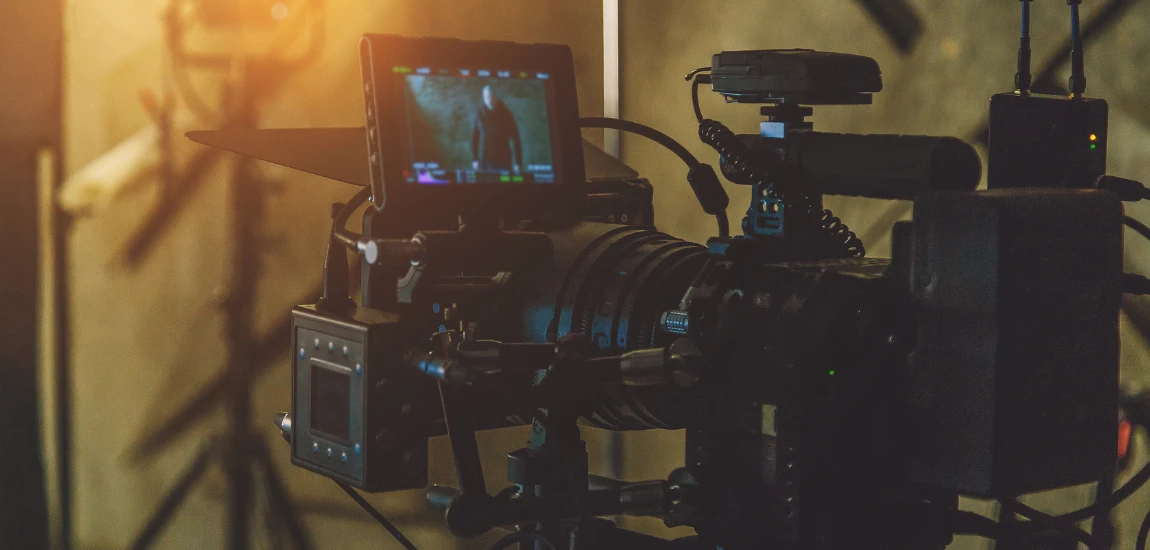
Every year, hundreds of films compete for audience attention—but only a handful achieve true blockbuster status. What separates a hit movie from one that quietly fades away? While creative genius and luck play a role, the reality is far more complex. The science behind what makes a movie a hit blends data-driven insights, audience psychology, and narrative structure.
Today’s studios use advanced algorithms to forecast box office performance, while filmmakers experiment with emotional resonance, pacing, and genre conventions to capture attention. Movies like Titanic, Avengers: Endgame, and Barbie aren’t just artistic triumphs—they’re examples of how emotion, timing, and storytelling align with audience desires.
Understanding this interplay doesn’t just benefit Hollywood executives—it offers valuable lessons for anyone interested in storytelling, marketing, or human behavior.
The Data-Driven Revolution in Filmmaking

Predictive Analytics and Movie Success
Studios today rely heavily on data analytics to predict audience reactions. Machine learning models analyze scripts, past box office data, actor popularity, and even trailer engagement to estimate performance. Netflix and Disney+ use AI to identify story elements most likely to retain viewer interest.
Algorithmic Storytelling
Algorithms now influence everything from casting decisions to soundtrack selection. By examining millions of data points, studios can determine what genres or emotional tones are trending globally—ensuring their next project hits the right cultural notes.
The Human Factor in the Data
Yet, data alone doesn’t guarantee success. It’s a powerful tool, but emotional intelligence—understanding what truly moves people—remains irreplaceable. The most successful studios merge analytics with instinctive storytelling.
The Psychology of Storytelling: Emotional Resonance

The Power of Empathy
The most memorable films connect emotionally. Viewers identify with characters whose struggles mirror their own hopes and fears. This empathetic connection increases engagement and rewatchability.
Cognitive Patterns in Storytelling
Cognitive science reveals that audiences respond to predictable emotional arcs—hope, conflict, climax, and resolution. Movies that manipulate these rhythms effectively create a powerful sense of catharsis.
Emotional Memory and Cultural Context
The emotions we associate with movies—joy, fear, nostalgia—anchor them in our memory. Successful films leverage universal emotions while resonating with contemporary issues, making them timeless and relevant.
Story Structure: The Blueprint of a Blockbuster

The Three-Act Structure
Nearly every hit movie follows the classic three-act structure: setup, confrontation, and resolution. This rhythm keeps audiences emotionally invested throughout.
Character Development and Stakes
Strong characters drive engagement. When protagonists face high emotional or moral stakes, audiences remain hooked. Films like The Dark Knight or Inside Out excel because their characters evolve meaningfully.
Subversion and Surprise
While structure provides stability, surprise fuels excitement. Movies that balance predictability with novelty—like Parasite or Get Out—often achieve critical and commercial success.
Casting Chemistry: The Human Equation

Star Power Still Matters
Even in an age of streaming, star power can heavily influence box office outcomes. Charismatic leads with global appeal attract wider audiences and stronger media coverage.
On-Screen Chemistry
Audiences respond to authentic relationships. Chemistry between co-stars can elevate even a mediocre script, turning moments into memes and scenes into emotional benchmarks.
Representation and Diversity
Modern audiences demand authenticity. Diverse casting not only reflects reality but also expands reach across cultures and demographics, making inclusivity a commercial advantage.
Visual Design and Cinematic Aesthetics

Color Psychology
Color influences mood and perception. Warm tones evoke comfort or passion, while cool tones signal mystery or detachment. La La Land’s vivid palette heightens emotion through visual storytelling.
Cinematography and Immersion
Camera movement, framing, and lighting shape how viewers emotionally process a scene. Techniques like handheld shots convey realism; symmetrical framing suggests control or tension.
Symbolism and Visual Metaphors
The most iconic films use visual cues—mirrors, reflections, recurring colors—to express subtext. These details deepen thematic resonance and reward attentive viewers.
Music, Sound, and the Neuroscience of Emotion

How Music Shapes Perception
Soundtracks and scores directly influence emotional engagement. Studies show that music activates the brain’s limbic system, intensifying feelings of fear, joy, or suspense.
Silence as a Tool
Silence can be as powerful as sound. Strategic pauses heighten tension or emotional release, as seen in A Quiet Place and Schindler’s List.
The Power of Leitmotifs
Recurrent musical themes—like the Star Wars Imperial March—build emotional familiarity, reinforcing identity and memory across sequels or franchises.
Marketing and the Art of Anticipation

The Trailer Effect
Trailers are emotional teasers designed to spark curiosity without revealing too much. The best trailers balance mystery, rhythm, and emotional hooks, becoming viral sensations in their own right.
Social Media and Memetic Marketing
Online culture now drives box office momentum. Memes, TikTok trends, and influencer reactions amplify hype far beyond traditional advertising.
Release Timing and Competition
Even the best films can flop if released at the wrong time. Studios analyze calendar windows, holidays, and rival releases to maximize impact.
Audience Behavior and Cultural Timing

Sociocultural Alignment
A film’s success often depends on whether it aligns with or challenges societal moods. For example, Joker thrived amid global conversations about alienation and inequality.
Generational Appeal
Different age groups interpret stories differently. Nostalgia-driven reboots target millennials, while Gen Z prefers socially aware narratives and experimental formats.
Globalization of Taste
Thanks to streaming, international audiences shape what defines a “hit.” Films like RRR and Parasite prove that universal storytelling transcends language barriers.
The Future of Film Hits: AI, VR, and Interactivity

AI-Created Screenplays
Artificial intelligence is beginning to co-write scripts and analyze emotional beats, offering insights into pacing, tone, and audience response. This could redefine how stories are conceived.
Virtual and Immersive Cinema
Emerging technologies like VR films and interactive storytelling blur the line between viewer and participant, turning spectators into collaborators in the narrative.
Ethics and Authenticity in the Algorithm Age
As algorithms guide production, the challenge will be balancing creative authenticity with data efficiency. True cinematic success may lie in keeping the human heart alive amid digital precision.


Gilbert Ott, the man behind "God Save the Points," specializes in travel deals and luxury travel. He provides expert advice on utilizing rewards and finding travel discounts.
Gilbert Ott

Prev Post

Next Post